

2012-2022 Honda Pilot Fuse Box: A Guide to Generations, Programming, and Replacement
This guide covers the critical differences between the fuse boxes in second (2012-2015) and third-generation (2016-2022) Honda Pilots, including programming requirements and complex part variations.
- The interior fuse box (MICU) MUST be programmed to the vehicle after installation, or the engine will not start.
- For 2016-2022 models, the under-hood fuse box is often part of a larger, expensive wiring harness assembly that is specific to trim and options.
- The 2012-2015 generation has a more modular under-hood fuse box that is easier to replace, but the interior MICU still requires programming.
- Always transfer your original fuses and relays to the replacement box to ensure correct amperage ratings.
Understanding Honda Pilot Fuse Boxes: 2012-2022

The 2012-2022 Honda Pilot spans two distinct vehicle generations, each with a very different approach to its electrical architecture and fuse boxes. Understanding which generation you have is the first and most important step in diagnosing issues or buying a replacement part.
Third Generation (2016-2022): Complex and Integrated
The third-gen Pilot features highly complex electrical systems. The "fuse box" is often not a single, simple part but a component of a larger assembly. The under-hood fuse box is frequently integrated into the main engine wiring harness. This means that replacing the fuse box can be a major undertaking that involves replacing a significant portion of the vehicle's wiring.
Compatibility for these models is extremely specific. A replacement under-hood fuse box assembly must match the vehicle's model year, trim level (e.g., EX-L, Touring, Elite), drivetrain (AWD or FWD), and factory-installed options like navigation, rear entertainment, or advanced driver-assistance systems. For example, a part for a 2019 AWD Elite/Touring model includes the main cabin wiring harness and is not interchangeable with other trims.
Second Generation (2012-2015): More Traditional, But Still Complex
The second-gen Pilot uses a more traditional, modular approach. The under-hood fuse and relay box is a distinct part that can be replaced separately from the main wiring harness. However, the interior fuse box is a different story. It is a smart module known as the Multiplex Integrated Control Unit (MICU). While the under-hood box is typically a direct swap, replacing the interior MICU/fuse box requires programming.
Warning: The terms "fuse box," "fuse panel," and "relay box" are often used interchangeably. Honda Pilots have multiple fuse boxes: at least one in the engine compartment and at least one inside the cabin under the dashboard. 🎬 Watch: Locate all fuse panels on 2009-2015 models Always confirm which box you are diagnosing or replacing.
Programming and Immobilizer Requirements

Does the fuse box need to be programmed?
This is the most critical question for this part, and the answer depends on the location and generation.
- Under-Hood Fuse Box (All Years): Generally, the under-hood fuse box itself does not require programming. It is a power distribution center. However, on 2016-2022 models, it is often part of a larger harness assembly, making replacement complex. Always swap your original fuses and relays into the replacement box.
- Interior Fuse Box / MICU (All Years): Yes, absolutely. The interior fuse box is a computer known as the Multiplex Integrated Control Unit (MICU). It is a core component of the vehicle's anti-theft immobilizer system. If you install a used or new MICU, the vehicle will not start until the unit is programmed to recognize your keys. You will see a flashing green key symbol on the dashboard if the MICU is not programmed.
Who can program a replacement MICU?
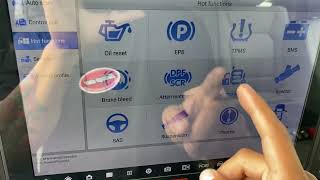
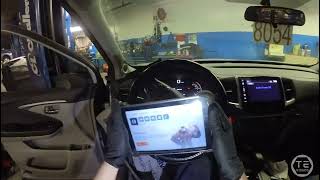
A Honda dealership can always perform the programming. Many independent repair shops and some automotive locksmiths with high-end diagnostic tools (like Autel or Thinkcar) can also perform the "Replace MICU" or "Immobilizer Relearn" procedure. It is not a procedure that can be done without specialized computer equipment.
🎬 See a professional program a new 2018 Pilot MICUKnown Issues, TSBs, and Recalls

While the fuse boxes themselves are generally reliable, they can be affected by other vehicle issues. There are also several electrical-related service bulletins and investigations for this generation of Pilot.
- NHTSA Investigation (2016-2020 Models): The National Highway Traffic Safety Administration (NHTSA) opened an investigation into an issue where the engine may not restart after the Auto Start/Stop feature engages. This primarily affects Touring and Elite trims. While not a direct fuse box failure, it is a significant electrical issue. Honda issued service bulletins (like A23-008) and warranty extensions to address this, which may involve a software update or starter replacement. 🎬 Watch: Common 3rd Gen Pilot problems and solutions
- Software Recall (2019-2021 Models): Honda recalled certain Pilot models for incorrect instrument panel software that could cause the display to go blank, hiding critical information and the rearview camera image. The fix is a software reprogram by a dealer.
- Water Intrusion (Primarily 2nd Gen): On earlier Pilots, water leaks from body seams or clogged sunroof drains could drip onto the interior fuse box (MICU), causing a wide range of bizarre electrical problems. This is a known failure mode for many Honda models of this era.
- Flickering Lights (2016 Models): TSB A18-010 addresses customer complaints of flickering interior/exterior lights, multiple warning indicators, and other voltage-related fluctuations.
Symptoms of a Failing Fuse Box / MICU
Fuse box failure often causes strange and seemingly unrelated electrical problems. Because the MICU controls so many systems, its failure can be confusing.
- Multiple electrical systems failing at once (e.g., power windows, radio, and interior lights all stop working).
- A single circuit repeatedly blows fuses even after the component (like a light bulb or motor) has been replaced.
- Melting or discoloration on the fuse box itself or around fuse terminals.
- Engine cranks but will not start, accompanied by a flashing green key light on the dash (a classic sign of an unprogrammed or failed MICU).
- Electrical accessories working intermittently.
- Popping or crackling sounds from the speakers, which can be related to wiring harness connector issues that are addressed in TSB 23-047 for 2019-2022 models.
Buying a Used Fuse Box
A used OEM fuse box can be a cost-effective solution, but careful purchasing is essential.
- Match Part Numbers Exactly: This is non-negotiable, especially for 2016-2022 models. Use the OEM part number from your original unit. Even a single digit difference can mean incompatibility.
- Verify Vehicle Options: For 3rd-gen models, you must match the trim, drivetrain, and options of the donor vehicle to your own. A box from a Touring model will not work correctly in an EX-L.
- Inspect for Physical Damage: Look for any signs of melting, corrosion (especially greenish-blue crust from water damage), or cracked plastic. A pristine-looking unit is a good sign.
- Get the VIN of the Donor Vehicle: While not always possible, having the VIN of the donor car can help a dealer or parts specialist verify compatibility.
- Remember Programming Costs: If you are buying an interior MICU, factor in the cost of programming by a dealer or locksmith. It is not a plug-and-play part.
Pro Tip: When you receive your used fuse box, carefully transfer all fuses and relays from your original box to the replacement. This ensures all the amperage ratings are correct for your specific vehicle and eliminates the chance that the used part is missing components.
Cost Comparison
Prices can vary widely based on the specific part number and which fuse box is needed.
| Part | New OEM | Used OEM | Shop Labor (Replacement) |
|---|---|---|---|
| 2012-2015 Under-Hood Box (38250-SZA-A52) | $225 - $340 | $75 - $150 | $100 - $200 |
| 2012-2015 Interior MICU (38200-SZA-A24/A34) | $845 - $1280 | $100 - $250 | $200 - $400 (plus programming) |
| 2019 AWD Touring/Elite Engine Harness (32100-TG7-A53) | $1,890 - $2,900 | $400 - $800 | $800 - $1,500+ |
Note: Labor for programming the MICU typically adds $100 - $250. Aftermarket options for these specific integrated fuse box assemblies are not common.
Frequently Asked Questions (FAQ)
Can I replace a fuse box myself?
For a 2012-2015 under-hood box, it is a feasible DIY project for someone with basic mechanical skills. It involves disconnecting the battery and swapping connectors. However, replacing the interior MICU requires programming. For 2016-2022 models, where the fuse box is part of the main engine harness, replacement is a very advanced job best left to professionals.
Why are there so many different part numbers for the 2016-2022 fuse box?
The part numbers vary based on trim level (EX-L, Touring, Elite), drivetrain (AWD/FWD), and optional features (Navigation, Rear Entertainment, Honda Sensing). Each combination requires a slightly different wiring harness and fuse box configuration, making them non-interchangeable.
My car won't start and the green key light is flashing. Is it the fuse box?
Yes, this is a classic symptom of a problem with the immobilizer system, which is controlled by the interior fuse box (MICU). It means the MICU does not recognize the key. This will happen if you install a replacement MICU without programming it to the vehicle.
Will a fuse box from a Honda Odyssey or Acura MDX fit my Pilot?
No. Even though these vehicles may share engines and transmissions, the body wiring, module locations, and software are different. You must use a fuse box specifically for the Honda Pilot that matches your year, trim, and options.
Helpful Videos



Technical Specifications
OEM Part Numbers: 32100-TG7-A20 32100-TG7-A21 32100-TG7-A22 32100-TG7-A53 32100TG7A43 32100TG7A50 32100TG7A51 32100TG7A52 32100TG7AF0 38250-SZA-A52 38256-SZA-A11 38200-SZA-A24 38200-SZA-A34
Fuse box locations vary by generation. 2nd Gen (2012-2015): Interior box under driver's dash, primary under-hood box on passenger's side. 3rd Gen (2016-2022): Interior box under driver's dash, two under-hood boxes (A and B).
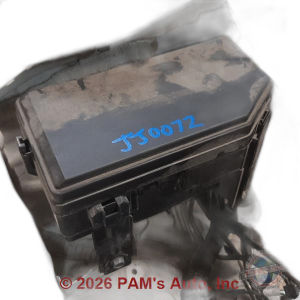
We Have This Part in Stock



The information in this article is provided for general reference and educational purposes only. Vehicle specifications, procedures, and part compatibility can vary by production date, trim level, and region. Always consult your vehicle's factory service manual and verify part numbers before purchasing or performing repairs. Safety-critical components such as airbags, seat belts, and braking systems should be installed by a qualified professional.
- Honda Pilot:
- 🎬 Helpful Videos
- 🛍️ Shop This Part
- Understanding Honda Pilot Fuse Boxes: 2012-2022
- Third Generation (2016-2022): Complex and Integrated
- Second Generation (2012-2015): More Traditional, But Still Complex
- Programming and Immobilizer Requirements
- Does the fuse box need to be programmed?
- Who can program a replacement MICU?
- Known Issues, TSBs, and Recalls
- Symptoms of a Failing Fuse Box / MICU
- Buying a Used Fuse Box
- Cost Comparison
- Frequently Asked Questions (FAQ)
- 🎟️ Get 5% Off