

2009-2020 Honda Pilot Fuse Box: A Guide to Failures, Part Numbers, and Programming
Your definitive guide to diagnosing common electrical failures, understanding generation-specific issues, and choosing the correct used fuse box for your Pilot.
- The main interior fuse box (MICU) requires programming to the vehicle's keys after replacement; otherwise, the engine will not start.
- There are two distinct generations (2009-2015 and 2016-2020) with completely different, non-interchangeable fuse boxes.
- You must match the OEM part number exactly, as it varies based on trim, drivetrain, and options. Failure to do so will result in non-working features.
- Common failure symptoms include parasitic battery drain and water intrusion causing widespread electrical issues. Always inspect used units for corrosion.
Generation-Specific Differences: 2009-2015 vs. 2016-2020

The 2009-2020 Honda Pilot spans two distinct generations, and their fuse boxes are not interchangeable. It is critical to identify your vehicle's generation before sourcing a replacement part.
Second Generation (2009-2015)
These Pilots have multiple fuse box locations:
- Interior Fuse Box (MICU): Located under the driver's side of the dashboard. This is the main control unit for interior electronics and the immobilizer system.
- Primary Under-Hood Fuse Box: Found in the engine bay on the passenger's side.
- Secondary Under-Hood Fuse Box: Located near the battery.
- Rear Fuse Box: Some models have an additional box in the left side of the cargo area, which is susceptible to water damage.
Part numbers for this generation typically follow a 382xx-SZA-xxx format.
Third Generation (2016-2020)
The third-generation Pilot also uses several fuse boxes:
- Interior Fuse Box: Located under the driver's side dashboard.
- Under-Hood Fuse Box A: The primary box, located near the battery in the engine compartment.
- Under-Hood Fuse Box B: A secondary box, also in the engine bay.
Part numbers for this generation often begin with 32100-TG7-xxx and can be part of a larger, more expensive cabin wiring harness assembly.
Warning: The main interior fuse box (MICU) is linked to the vehicle's immobilizer system. Replacing it is not a simple plug-and-play procedure. The vehicle will not start until the new module is programmed to the vehicle's keys.
Symptoms of a Failing Fuse Box

Fuse box failure can manifest in many ways, from a single non-functioning component to a car that won't start. Look for these common signs:
- Multiple Unrelated Electrical Failures: This is the most common symptom. For example, the power windows, radio, and interior lights may stop working simultaneously.
- Parasitic Battery Drain: A classic sign of a faulty fuse box or a shorted component on one of its circuits. The battery dies overnight or after a few days of sitting. This can sometimes be traced to a stuck relay, often the A/C relay.
- Engine Will Not Start or Crank: If the fuse box controls the starter relay or fuel pump circuits, failure can prevent the engine from starting.
- Flashing Green Key Light: If you have replaced the interior MICU/fuse box, a flashing green key icon on the dashboard indicates that the immobilizer is active and the module needs to be programmed.
- Visible Corrosion or Water Damage: White, green, or blue crusty deposits on the fuse box connectors or pins are a clear sign of water intrusion.
- Melted Fuses or Connectors: A short circuit can generate enough heat to melt the plastic housing of the fuse box itself.
- Popping or Crackling Noises: Some owners of 2020 models reported popping or crackling noises from the dash area, which was sometimes attributed to loose wiring connections at the fuse box or related modules.
Known Issues and Diagnostic Tips

Parasitic Battery Drain Diagnosis
A parasitic drain is when a component continues to draw power after the vehicle is turned off. While a small draw (typically under 50-80 milliamps) is normal to maintain system memories, a faulty fuse box or component can cause a much larger draw.
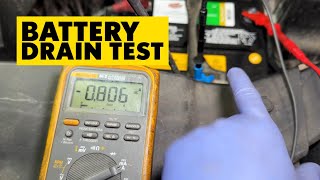
- Connect a multimeter in series with the negative battery terminal to measure amperage draw. 🎬 See how to perform a parasitic battery drain test
- Wait for 30 minutes for all vehicle modules to go into "sleep" mode.
- If the draw is excessive (e.g., over 0.08 amps), go to the fuse boxes and begin pulling fuses one by one.
- When you pull a fuse and the amperage reading drops significantly, you have identified the problem circuit. Common culprits include the A/C relay, radio, or a faulty control module.
Water Intrusion (Especially 2nd Gen)
On earlier models, water can leak into the cabin and damage the rear fuse box/MICU. This is often caused by dried-out or cracked body seam sealer in the roof channels, particularly under the roof rack mounting points. Water wicks into sound-deadening foam and drips onto the electronics, causing bizarre behavior like wipers or door locks activating on their own. The fix involves removing interior panels, locating the leak with a water hose, and resealing the body seams with automotive-grade sealant.
🎬 Watch: How to find and seal roof leaks on your PilotProgramming and Installation Requirements

Programming is Required: The main interior fuse box (MICU) MUST be programmed to the vehicle after installation. If you install a used or new MICU, the car's immobilizer will prevent the engine from starting until this procedure is completed.
Who Can Program a Honda Fuse Box?
- Honda Dealerships: They have the factory equipment to perform the programming.
- Independent Shops & Locksmiths: Many professional shops and automotive locksmiths have advanced aftermarket scan tools (like Autel or Snap-on) with the capability to perform key and module programming for Honda vehicles.
Expert DIY Option (Advanced Users Only)
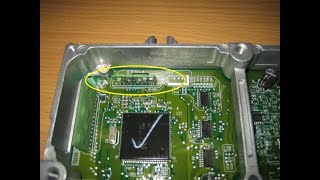
For older models, it is possible to avoid reprogramming by physically transferring the original memory chip. This involves desoldering the 8-pin EEPROM chip from your original fuse box's circuit board and soldering it onto the replacement unit. This transfers the VIN and key data. This is an expert-level repair that requires micro-soldering skills and carries a high risk of damaging both boards if done incorrectly.
Buying a Used Fuse Box: What to Look For

With new OEM units being expensive (especially for the 3rd generation) and aftermarket options being scarce, a quality used OEM fuse box is often the best value. Here’s how to choose the right one.
- Match the Part Number EXACTLY: This is the most important rule. Honda uses many different fuse boxes depending on the model year, trim level (LX, EX, EX-L, Touring, Elite), drivetrain (AWD vs 2WD), and factory options (Navigation, Rear Entertainment, etc.). Using the wrong part number will result in features not working or the part not fitting.
- Inspect for Corrosion: Ask the seller for clear, high-resolution photos of all connectors and pins. Do not buy any fuse box that shows signs of white, blue, or green corrosion, water stains, or rust.
- Check for Physical Damage: Look for broken plastic tabs, melted spots around fuse sockets, or cut wires. The unit should be clean and intact.
- Verify Fuses and Relays are Not Included: Many used fuse boxes are sold as bare units. The initial data for this part confirms this. Be prepared to carefully transfer all fuses and relays from your old box to the new one. Take a photo of your old box before you start removing them to ensure they go back in the correct spots.
Cost Comparison for Fuse Box Replacement
| Part/Service | 2nd Gen (2009-2015) | 3rd Gen (2016-2020) | Notes |
|---|---|---|---|
| New OEM | $220 - $900 | $1,800 - $2,800+ | Price varies significantly by specific part number. 3rd gen parts are often part of a larger harness. |
| New Aftermarket | Not Widely Available | Not Widely Available | Complete assemblies are rare; only individual relays/fuses are common. |
| Used OEM | $50 - $250 | $100 - $500+ | Highly dependent on condition, specific part, and seller. |
| Shop Labor (Replacement) | $150 - $300 | $150 - $300 | Estimated 1.5-2.5 hours. Does not include diagnostic time. |
| Shop Labor (Programming) | $100 - $200 | $100 - $200 | Required for interior MICU replacement. May be included in total replacement cost. |
Frequently Asked Questions (FAQ)
Does a replacement Honda Pilot fuse box need to be programmed?
Yes, the main interior fuse box (also called the MICU or BCM) must be programmed to your vehicle's keys. If this is not done, the car's immobilizer will prevent the engine from starting. The under-hood fuse boxes generally do not require programming.
Where are the fuse boxes located on a 2009-2020 Honda Pilot?
All models have an interior fuse box under the driver's side dashboard and at least one fuse box in the engine compartment. Second-generation (2009-2015) models have additional fuse boxes near the battery and in the rear cargo area.
Can I replace the fuse box myself?
Replacing an under-hood fuse box is feasible for a DIYer with moderate experience. However, replacing the main interior fuse box is more complex due to tight access and the absolute requirement for programming. Unless you have advanced diagnostic tools or micro-soldering skills, the final step of programming will require a visit to a dealer or qualified independent shop.
Why are there so many different part numbers for the same year?
The part number changes based on trim level (LX, EX-L, Touring, Elite), drivetrain (AWD/2WD), and optional features like navigation, rear entertainment systems, or advanced safety systems (pre-collision warning). Each configuration requires a different internal wiring setup in the fuse box. You must match the part number from your original unit exactly.
Helpful Videos



Technical Specifications
OEM Part Numbers: 32100-TG7-A20 32100-TG7-A21 32100-TG7-A22 32100-TG7-A53 32100TG7A43 32100TG7A50 32100TG7A51 32100TG7A52 32100TG7A53 38250-SZA-A51 38250-SZA-A52 38256-SZA-A01 38256-SZA-A11 38200-SZA-A34 38200-SZA-A22
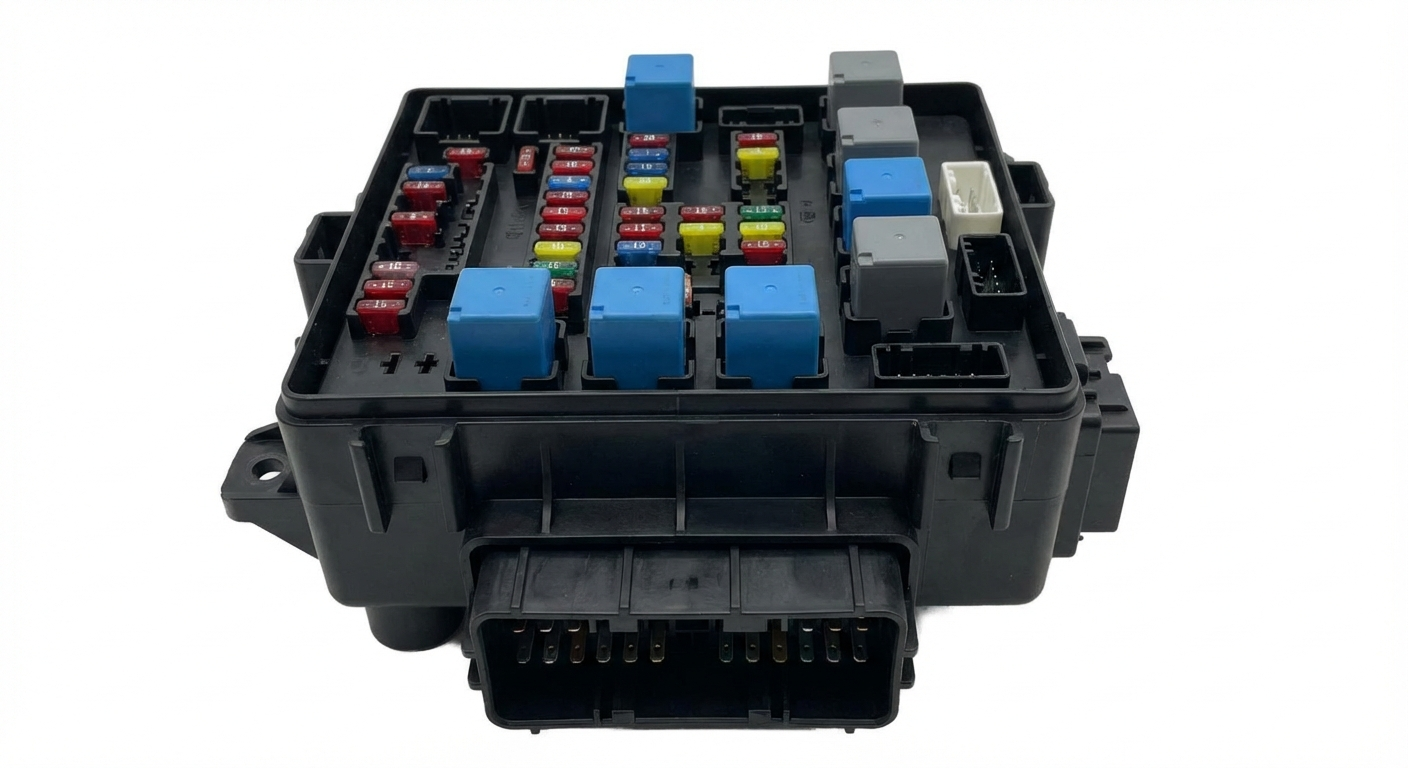
Houses blade-type fuses (Mini, ATO) and various relays. The interior unit integrates the Multiplex Integrated Control Unit (MICU) which requires key programming upon replacement.
We Have This Part in Stock




The information in this article is provided for general reference and educational purposes only. Vehicle specifications, procedures, and part compatibility can vary by production date, trim level, and region. Always consult your vehicle's factory service manual and verify part numbers before purchasing or performing repairs. Safety-critical components such as airbags, seat belts, and braking systems should be installed by a qualified professional.
- Honda Pilot:
- 🎬 Helpful Videos
- 🛍️ Shop This Part
- Generation-Specific Differences: 2009-2015 vs. 2016-2020
- Second Generation (2009-2015)
- Third Generation (2016-2020)
- Symptoms of a Failing Fuse Box
- Known Issues and Diagnostic Tips
- Parasitic Battery Drain Diagnosis
- Water Intrusion (Especially 2nd Gen)
- Programming and Installation Requirements
- Who Can Program a Honda Fuse Box?
- Expert DIY Option (Advanced Users Only)
- Buying a Used Fuse Box: What to Look For
- Cost Comparison for Fuse Box Replacement
- Frequently Asked Questions (FAQ)
- 🎟️ Get 5% Off