

2003-2008 Honda Pilot Fuse Box: Solving Electrical Issues & Finding the Right Part
This guide explains the multiple fuse box locations, decodes the complex part numbers, and addresses common electrical problems for the first-generation Honda Pilot.
- Compatibility is critical: You MUST match the part number from your original fuse box to ensure the replacement will work with your Pilot's specific trim and options.
- There are multiple fuse boxes: This vehicle has up to four fuse boxes—two in the engine bay and two in the cabin (driver and passenger side).
- No programming required: Replacing a fuse box on this generation of Pilot is a direct swap and does not require a visit to the dealer for programming.
- Inspect for water damage: Water leaks are a known issue and can destroy a fuse box. Carefully inspect any used part for signs of corrosion or melting before purchase.
Understanding the 2003-2008 Honda Pilot Fuse Box System


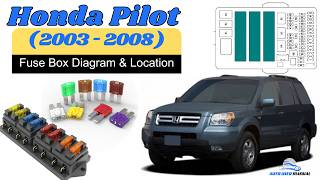
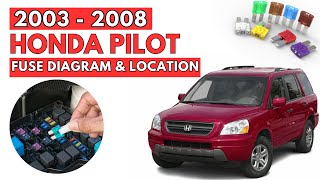
One of the most confusing aspects of the first-generation Honda Pilot is its use of multiple fuse boxes, which vary based on trim level and optional equipment. When troubleshooting electrical problems or replacing a fuse box, it's crucial to identify the correct one. This vehicle has up to four distinct fuse box locations.
- Driver's Side Interior Fuse Box: Located under the dashboard on the driver's side, this box typically manages essential driving controls and functions.
- Passenger's Side Interior Fuse Box: Found under the dashboard on the passenger's side, this box often controls cabin comfort and entertainment features.
- Primary Under-Hood Fuse Box: Situated in the engine bay, usually on the passenger side, this box contains high-amperage fuses and relays for major vehicle systems.
- Secondary Under-Hood Fuse Box: A smaller box located near the battery, housing additional critical fuses and relays.
Warning: The cabin fuse boxes are not interchangeable. The specific part number you need depends on your Pilot's trim level (LX, EX, EX-L) and factory-installed options like navigation or a rear entertainment system. Always match the part number from your original fuse box.
Symptoms of a Failing Fuse Box

A problem with a fuse box is often more complex than a single blown fuse. While a blown fuse points to a problem in a specific circuit, a failing fuse box can cause widespread and intermittent electrical issues.
- Multiple Unrelated Electrical Failures: One of the clearest signs is when several systems that aren't on the same fuse stop working at once. For example, the radio, power windows, and interior lights might all fail simultaneously.
- Repeatedly Blowing Fuses: If a specific fuse blows repeatedly even after you've checked the circuit for shorts, the problem may be in the fuse box terminal itself.
- Burning Smell or Visible Damage: A distinct smell of burning plastic near the fuse panel is a serious red flag. Physical inspection may reveal melted plastic, discoloration around fuse terminals, or signs of corrosion (white or green powder).
- Car Not Starting or Stalling: If the fuse box has a poor connection to a critical relay, such as the fuel pump or ignition relay, it can prevent the vehicle from starting or cause it to stall unexpectedly.
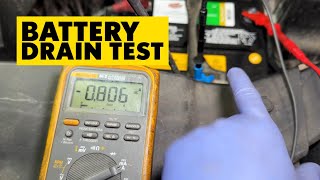
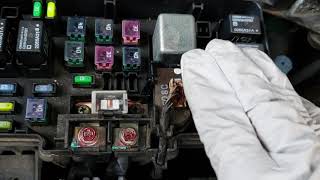
- Parasitic Battery Drain: A faulty relay or internal short within the fuse box can cause a continuous power draw that drains the battery when the vehicle is off. 🎬 Watch: How to perform a parasitic battery drain test. A known issue with some Honda models involves a faulty A/C compressor clutch relay (which is often located in the under-hood fuse box) sticking and causing battery drain. 🎬 See this common fix for batteries that die overnight.
Known Issues, Recalls, and TSBs

While there are no recalls specifically for the fuse boxes themselves on the 2003-2008 Pilot, there are related issues and recalls that owners should be aware of.
- Water Intrusion: Some owners have reported water leaking into the cabin, which can soak the carpets and damage the interior fuse panels, leading to corrosion and electrical shorts.
- Electrical Load Detection (ELD) Unit: Some Honda vehicles of this era feature an ELD unit within the under-hood fuse box. This small electronic module can fail, sometimes showing signs of overheating or melting, and may trigger a check engine light.
- Takata Airbag Recalls: The 2003-2008 Honda Pilot was part of the massive Takata airbag recall. While not a fuse box issue, it is a critical safety campaign for this vehicle.
- Headlight Switch Wiring Recall (12V136000): This recall addressed worn electrical terminals in the combination switch harness that could cause low-beam headlights to fail. While not a fuse box part, it highlights the potential for electrical wiring issues in vehicles of this age.
Pro Tip: If you are experiencing multiple, seemingly random electrical problems, carefully inspect the under-hood and both interior fuse boxes for any signs of water damage or corrosion before replacing any parts. Sometimes, simply cleaning corroded terminals can resolve an issue.
Buying a Used 2003-2008 Honda Pilot Fuse Box
Due to the high cost of new OEM fuse boxes, a used part is often the most economical solution. Here’s what to look for:
- Match the Part Number Exactly: This is the most important step. There are many variations. Remove your original fuse box and find the Honda part number printed on a sticker or stamped into the plastic. Do not buy a replacement unless the number is an exact match or a verified superseded number.
- Verify the Location: Ensure you are buying the correct box: driver's side interior, passenger's side interior, or under-hood. They are not interchangeable.
- Thoroughly Inspect for Damage: Look for any signs of melting, charring, or discoloration on the plastic housing. Check all metal terminals, both where the fuses/relays plug in and where the main wiring harnesses connect. Avoid any unit with green or white crusty corrosion.
- Check the Source: Whenever possible, choose a part from a vehicle that was not involved in a flood or front-end collision. A clean, dry, low-mileage donor vehicle is ideal.
Programming and Installation
The main fuse boxes in the 2003-2008 Honda Pilot are primarily power distribution centers and do not require programming or flashing after installation. This makes replacement a feasible DIY job for a mechanically inclined owner. However, after replacement, it is a good practice to disconnect the battery for a few minutes to reset all vehicle electronic modules. Note that you may need the security code to reactivate the factory radio after reconnecting the battery.
Cost Comparison
| Part Type | Estimated Cost |
|---|---|
| New OEM | $650 - $1,500+ |
| New Aftermarket | Not commonly available |
| Used OEM | $50 - $200 |
| Shop Labor for Replacement | $100 - $250 |
Frequently Asked Questions (FAQ)
Do I need to program a replacement fuse box for my Honda Pilot?
No, for the 2003-2008 model years, the fuse boxes are not programmed components. They can be swapped without needing special dealer tools.
Why did multiple things like my radio and power windows stop working at once?
This is a classic symptom of a fuse box problem rather than a single fuse. It could be a faulty main fuse, a bad relay, or a problem with the internal connections of the fuse box itself, possibly due to corrosion or water damage.
Can I use a fuse box from an EX-L model in my LX?
No, this is not recommended. The fuse boxes are specific to the trim level and the features included with the vehicle. Using the wrong fuse box will likely result in some features not working correctly or at all. You must match the part number from your original unit.
Where are the fuse boxes located on my 2003-2008 Honda Pilot?
There are up to four locations: one under the hood on the passenger side, a second smaller one under the hood near the battery, a third inside the cabin under the driver's side dashboard, and a fourth inside the cabin under the passenger's side dashboard.
Helpful Videos



Technical Specifications
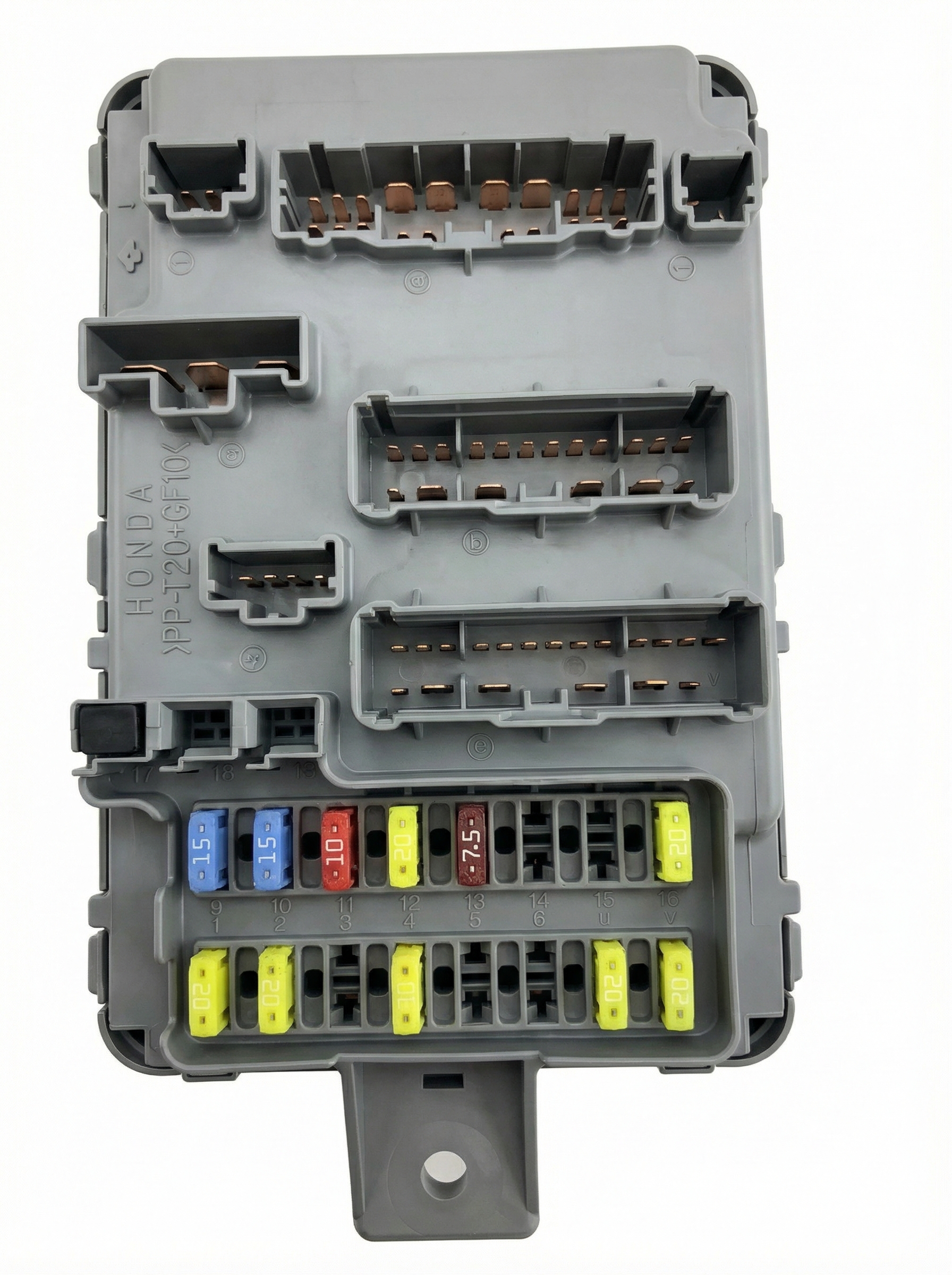
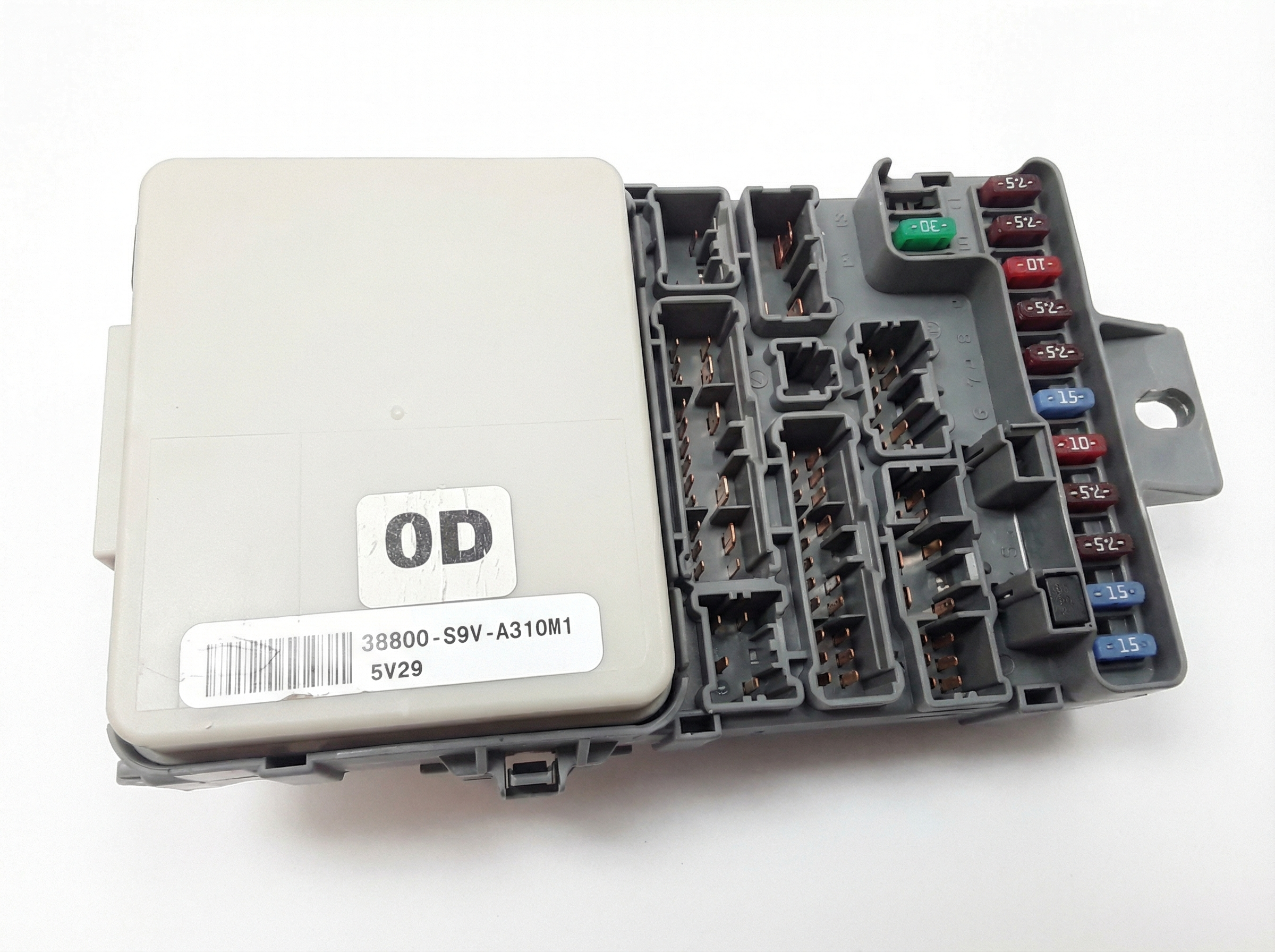
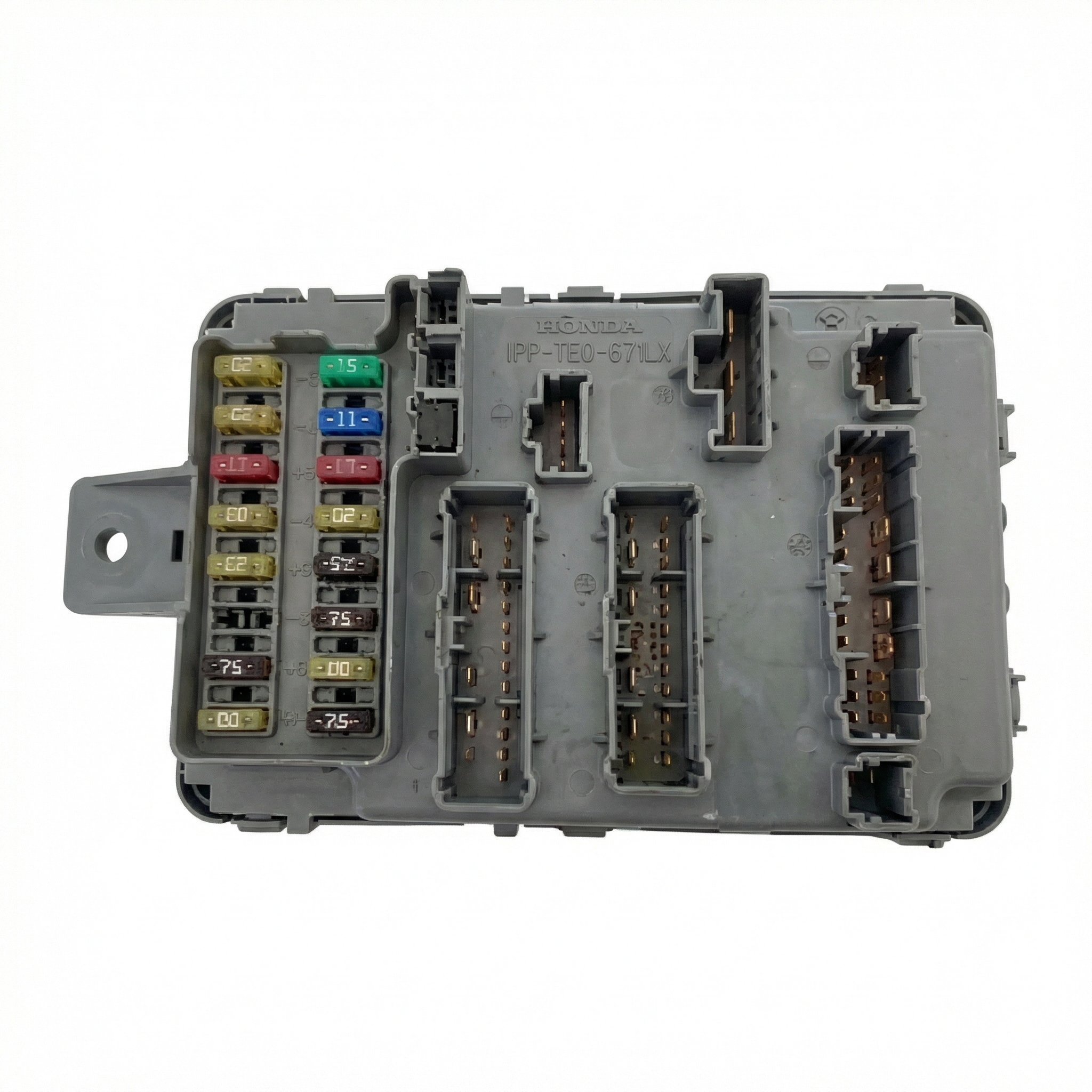
OEM Part Numbers: 38200-S9V-A02 38200-S9V-A12 38200-S9V-A22 38200-S9V-A32 38210-S9V-A04 38210-S9V-A14 38210-S9V-A23 38800-S9V-A21 38800-S9V-A31 38800-S9V-A310M1
The 2003-2008 Honda Pilot utilizes four separate fuse box locations: Primary Under-Hood, Secondary Under-Hood (near battery), Driver's Side Interior, and Passenger's Side Interior.
We Have This Part in Stock

The information in this article is provided for general reference and educational purposes only. Vehicle specifications, procedures, and part compatibility can vary by production date, trim level, and region. Always consult your vehicle's factory service manual and verify part numbers before purchasing or performing repairs. Safety-critical components such as airbags, seat belts, and braking systems should be installed by a qualified professional.
- Honda Pilot: