

2018-2024 Honda Odyssey Fuse Box: Programming, Problems & Replacement Guide
This guide covers the critical information you need about the fuse box in the 2018-2024 Honda Odyssey, including mandatory programming, common electrical issues, and replacement costs.
- A replacement fuse box (new or used) MUST be programmed to the vehicle by a dealer or a properly equipped independent shop.
- Part number 38850-THR-A14 is the latest revision and replaces earlier versions like -A12 and -A13.
- Symptoms often include a wide array of seemingly unrelated electrical problems, such as multiple warning lights and accessory failures.
- Buying a used OEM unit can save over $1,000 compared to a new part, but it must be inspected for corrosion and damage before purchase.
Known Issues, Recalls, and Technical Service Bulletins (TSBs)

While the main fuse box module itself is generally reliable, the 2018-2024 Honda Odyssey has experienced some electrical issues and recalls that can produce similar symptoms or affect related wiring.
Recalls
NHTSA Recall 20V066000 (Honda T6U): This recall affects 2018-2020 Odyssey models. The wiring harness for the third-row accessory power outlet could get pinched and damaged, creating an electrical short. This could lead to the harness overheating and increase the risk of a fire. While not a direct failure of the fuse box, a short circuit in any part of the vehicle can cause fuses to blow and lead to widespread electrical issues. The fix involves inspecting, rerouting, and applying protective tape to the harness, or replacing it if damaged.
Technical Service Bulletins (TSBs)
Owners of this Odyssey generation have reported various electrical problems, such as multiple warning lights appearing on the dash, infotainment system glitches, and issues with power accessories. Some of these problems can be traced back to software glitches or connection issues rather than a complete failure of the fuse box module.
- TSB 23-008: For 2018-2023 Odyssey models, this bulletin addresses an issue where the engine may not restart after the idle-stop feature engages. The fix is a PGM-FI (powertrain control module) software update.
- Water Intrusion: Some owners have reported water leaks, particularly around the tailgate or roof seams, leading to corrosion and failure of nearby electronic modules. Water damage can easily destroy a fuse box or its connectors, causing unpredictable electrical behavior.
Symptoms of a Failing Fuse Box

A failing fuse box or MICU can create a wide range of confusing and seemingly unrelated electrical problems. Symptoms often appear intermittently at first.
- Multiple, Random Warning Lights: The dashboard may light up with warnings for various systems like ABS, airbags, traction control, and the braking system simultaneously.
- Component Failure: One or more electrical systems may stop working entirely. This can include power windows, door locks, interior lights, radio, or the climate control system.
- No-Start Condition: The engine may not crank or start. This can happen if the immobilizer system, which is integrated with the MICU, is not functioning correctly or if power is not being sent to the starter relay.
- Parasitic Battery Drain: A fault within the module can prevent the vehicle's electronics from going into "sleep mode" after the van is turned off, causing the battery to drain overnight.
- Communication (U-series) DTCs: A faulty fuse box can disrupt communication between the vehicle's various control modules. This will often store Diagnostic Trouble Codes (DTCs) like U0100 (Lost Communication with ECM/PCM) or U0140 (Lost Communication with Body Control Module).
Pro Tip: Before condemning the fuse box, always check the basics first. Ensure the battery is fully charged and its terminals are clean and tight. Inspect individual fuses for the failing circuits. Sometimes, symptoms that appear to be a major module failure are caused by a simple blown fuse or a poor battery connection.
Programming and Installation Requirements

Warning: A replacement fuse box/MICU, whether new or used, MUST be programmed to the vehicle. This is not an optional step.
The main interior fuse box is linked to the vehicle's immobilizer system and is configured for the specific trim level and options (e.g., power sliding doors, rear entertainment, Honda Sensing features). Failure to program the module will result in a no-start condition, indicated by a flashing green key symbol on the dashboard.
- Who can program it? A Honda dealership is the most reliable choice. They have the necessary Honda Diagnostic System (HDS) software. Some independent repair shops with advanced diagnostic tools (like specific Launch X431 models) may also be able to perform the programming.
- Is a locksmith an option? A well-equipped automotive locksmith may be able to handle the immobilizer portion of the programming, but they may not be able to configure all the body control functions.
- Can I do it myself? This is not a DIY-friendly task unless you have access to and experience with professional-level Honda-specific diagnostic and programming tools.
Buying a Used Fuse Box
Purchasing a used OEM fuse box is a cost-effective way to repair your Odyssey, especially given the high cost of a new unit. Because it is a programmable module, a used part functions identically to a new one after it has been correctly installed and configured.
What to Look For:
- Match the Part Number: It is critical to match the OEM part number exactly. The primary part numbers for this generation are 38850-THR-A12, 38850-THR-A13, and 38850-THR-A14. The later numbers (-A13, -A14) are newer revisions that replace the earlier ones. Always try to get the latest revision available.
- Inspect for Corrosion: Carefully examine all pins and connectors for any signs of green or white corrosion, which indicates water damage. A module with any hint of water intrusion should be avoided.
- Check for Physical Damage: Look for broken plastic tabs, cracked casings, or bent pins. While some broken mounting tabs might be acceptable if the box can still be secured, any damage to the electrical connectors is a major red flag.
Cost Breakdown
The cost to replace the fuse box can vary significantly based on the part source and labor rates.
| Item | Estimated Cost |
|---|---|
| New OEM Part | $1,070 - $1,625 |
| Used OEM Part | $40 - $150 |
| Shop Labor (Replacement & Programming) | $200 - $400 |
Frequently Asked Questions (FAQ)
Does a used 2018-2024 Odyssey fuse box need to be programmed?
Yes, absolutely. Any replacement fuse box, new or used, must be programmed to the vehicle's VIN and specific options using dealer-level diagnostic equipment. The van will not start if this step is skipped.
Where is the main fuse box located in a 2018-2024 Honda Odyssey?
The 2018-2024 Odyssey has multiple fuse boxes. The main interior fuse box (which contains the MICU) is located in the passenger cabin, under the dashboard on the driver's left side. There is also an important fuse and relay box in the engine compartment.
What is the difference between part numbers 38850-THR-A12, A13, and A14?
These numbers represent different revisions of the same part. 38850-THR-A14 is the newest version and supersedes the A12 and A13 versions. When buying a replacement, it is always best to get the latest revision number possible as it may contain internal improvements.
Can I just replace a relay instead of the whole fuse box?
It depends. The fuse box contains both replaceable fuses and relays and non-serviceable internal components. If a specific, plug-in style relay has failed, you can replace just that relay. However, many of the control functions are handled by circuitry integrated directly into the module's circuit board, which cannot be repaired separately. If the internal MICU has failed, the entire fuse box assembly must be replaced.
Technical Specifications
OEM Part Numbers: 38850-THR-A12 38850-THR-A13 38850-THR-A14
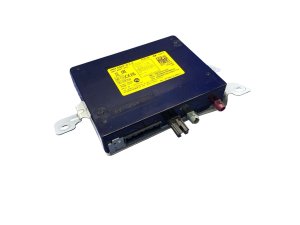
This module is also referred to as the Power Distribution Module or the Multiplex Integrated Control Unit (MICU). It is located in the driver's side of the passenger cabin, under the dash.
We Have This Part in Stock




The information in this article is provided for general reference and educational purposes only. Vehicle specifications, procedures, and part compatibility can vary by production date, trim level, and region. Always consult your vehicle's factory service manual and verify part numbers before purchasing or performing repairs. Safety-critical components such as airbags, seat belts, and braking systems should be installed by a qualified professional.
- Honda Odyssey: