

2005-2010 Honda Odyssey Fuse Box: Solving Electrical Gremlins and Why Programming is Required
This guide covers the common failures of the Odyssey's main cabin fuse box (MICU), why it often needs dealer-level programming, and how to choose the correct used replacement.
- The main driver's side fuse box is a computer (MICU) that MUST be programmed to the vehicle's keys after installation.
- Match the OEM part number from your original fuse box exactly to ensure compatibility, as it varies by trim level.
- Common failure symptoms include parasitic battery drain, multiple electrical systems failing at once, and erratic door lock behavior.
- Before buying a used unit, inspect it carefully for any signs of corrosion, which indicates water damage—a common cause of failure.
The #1 Thing to Know: Programming is Often Required

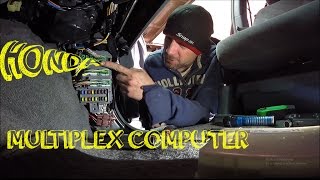
Warning: The main driver's side fuse box is also the Multiplex Integrated Control Unit (MICU) and is linked to the vehicle's immobilizer system. You cannot simply swap it with a used one and expect the vehicle to start. After installation, the replacement MICU must be programmed to your vehicle's keys using Honda's specialized diagnostic software (HDS). A dealer or a well-equipped independent shop that services Hondas can perform this service. Factoring in the cost of programming is essential before purchasing a replacement.
Symptoms of a Failing Odyssey Fuse Box (MICU)


A failing MICU can create some of the most frustrating and difficult-to-diagnose issues on a 3rd generation Odyssey. Symptoms are often intermittent and seem unrelated.
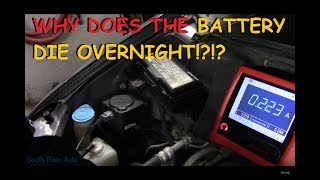
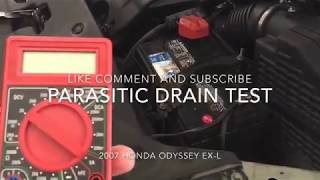
- Parasitic Battery Drain: This is the most common complaint. The MICU fails to go into its low-power "sleep mode" after the vehicle is turned off, causing a significant current draw that can drain a healthy battery in a matter of days. This issue is often traced to the circuit for fuse #7 in the driver's side panel. 🎬 Watch this step-by-step parasitic drain test on an Odyssey.
- Multiple Electrical Failures: A group of unrelated electronic components may stop working all at once. This can include power door locks, power windows, turn signals, high beams, windshield wipers, and the power liftgate.
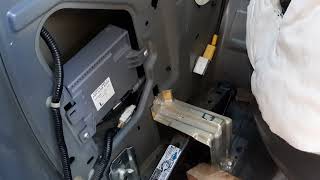
- Erratic Lock and Alarm Behavior: The door locks may cycle on their own while driving, the security system may arm or sound unexpectedly, or the key fob may stop working. 🎬 See how a faulty MICU causes these multiple electrical failures.
- Communication Codes: A professional scan tool may reveal Body (B) or Network (U) diagnostic trouble codes. Codes like B1005, B1006, B1007, and B1008 indicate the MICU has lost communication with other control modules.
Known Issues, Recalls, and Technical Service Bulletins (TSBs)

While many electrical issues are traced to the MICU, it's important to be aware of official recalls and other known problems for this generation of Odyssey.
Common Cause of Failure: Water Intrusion
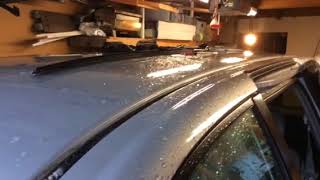
Many MICU failures are caused by water damage. Leaks from the windshield seal or clogged roof drain tubes can allow water 🎬 Watch how to find and fix these common roof leaks. to drip down onto the driver's side fuse box. This moisture causes corrosion on the internal circuit board and external connectors, leading to short circuits and component failure. When inspecting a vehicle with electrical problems, always check for signs of moisture or corrosion around the fuse box area.
Official Recalls
- Fuel Strainer Recall: In March 2014, Honda recalled 886,815 Odysseys from 2005-2010 to replace the fuel strainer cover. Chemicals and high temperatures could cause the cover to crack, potentially leading to a fuel leak and increasing fire risk.
- Front Impact Sensor Recall (2005 models): Certain 2005 models were recalled because insufficiently sealed front impact sensors could corrode, potentially delaying or preventing frontal airbag deployment in a crash.
- Power Liftgate Struts (NHTSA ID: 10V055000): While not a full recall, Honda issued a "product update" after an NHTSA investigation into failing power liftgate gas struts that could cause the gate to close unexpectedly.
Understanding the Different Fuse Boxes

The 2005-2010 Odyssey has three primary fuse box locations. It is critical to identify which one you are diagnosing or replacing.
- Driver's Side Interior Fuse Box (MICU): Located under the dashboard in the driver's side kick panel. This is the main control unit discussed in this article.
- Passenger's Side Interior Fuse Box: A smaller fuse panel located under the dashboard in the passenger's side kick panel.
- Under-Hood Fuse Box: A large fuse and relay box located on the passenger side of the engine compartment.
Pro Tip: The part numbers starting with 38200- typically refer to the main driver's side MICU assembly, while other numbers may refer to the passenger side or under-hood boxes.
Buying a Used Fuse Box (MICU)
Given the high cost of a new OEM unit, a used MICU is a very popular and cost-effective repair. However, you must be careful to ensure compatibility and serviceability.
- Match the Part Number EXACTLY: Honda used many different versions of the MICU based on the vehicle's trim level (LX, EX, EX-L, Touring) and model year. The only way to guarantee compatibility is to physically remove your original unit and match the Honda part number (e.g., 38200-SHJ-A22) to the one you are purchasing.
- Inspect for Corrosion: The number one killer of these modules is water damage. Carefully inspect all the connector pins and the case itself for any signs of white or green crusty corrosion. Do not buy a unit that shows any evidence of water intrusion.
- Source from a Dry Climate: If possible, purchase a used part that came from a vehicle in a dry, rust-free region. This minimizes the chance of pre-existing corrosion damage.
- Budget for Programming: Remember that the part itself is only one part of the cost. You must call local dealers or Honda specialists to get a quote for programming a customer-supplied MICU and factor that into your total repair cost.
Cost Comparison
| Part or Service | Estimated Cost |
|---|---|
| New OEM (Dealer) | $950 - $1,450 |
| New Aftermarket | Not commonly available |
| Used OEM | $75 - $250 |
| Shop Labor (Installation) | $100 - $200 |
| Shop Labor (Programming) | $125 - $250 |
Frequently Asked Questions (FAQ)
Will my Odyssey start if I just swap in a used fuse box?
Probably not. The main driver's side fuse box (MICU) contains the immobilizer control. When you install a used one, it will not recognize your keys, and the car will not start. It must be reprogrammed by a dealer or a properly equipped locksmith.
Can I program the MICU myself?
No, not unless you own the professional Honda Diagnostic System (HDS) tool and have a software subscription. This is not a DIY-level task and requires specialized equipment.
Why is my battery dying every few days?
A parasitic battery drain is a classic symptom of a failing MICU in this generation of Odyssey. The unit fails to enter its low-power sleep mode, continuously drawing power until the battery is dead. A mechanic can confirm this by performing a parasitic draw test.
Are the driver's side and passenger's side interior fuse boxes the same?
No. They are completely different parts with different functions and part numbers. The driver's side unit is the complex MICU, while the passenger's side is a simpler junction box.
Helpful Videos

Technical Specifications
OEM Part Numbers: 38200-SHJ-A01 38200-SHJ-A02 38200-SHJ-A04 38200-SHJ-A21 38200-SHJ-A22 38200-SHJ-A24 38200-SHJ-A61 38200-SHJ-A62 38200-SHJ-A64 38210-SHJ-A01 38210-SHJ-A02 38210-SHJ-A22
The driver's side interior fuse box is also the Multiplex Integrated Control Unit (MICU), which operates on the B-CAN (Body Controller Area Network) communication protocol.
We Have This Part in Stock



The information in this article is provided for general reference and educational purposes only. Vehicle specifications, procedures, and part compatibility can vary by production date, trim level, and region. Always consult your vehicle's factory service manual and verify part numbers before purchasing or performing repairs. Safety-critical components such as airbags, seat belts, and braking systems should be installed by a qualified professional.
- Honda Odyssey:
- 🎬 Helpful Videos
- 🛍️ Shop This Part
- The #1 Thing to Know: Programming is Often Required
- Symptoms of a Failing Odyssey Fuse Box (MICU)
- Known Issues, Recalls, and Technical Service Bulletins (TSBs)
- Common Cause of Failure: Water Intrusion
- Official Recalls
- Understanding the Different Fuse Boxes
- Buying a Used Fuse Box (MICU)
- Cost Comparison
- Frequently Asked Questions (FAQ)
- 🎟️ Get 5% Off