

2005-2016 Honda CR-V Fuse Box: Solving Electrical Issues & Trim Level Mismatches
This guide covers common failures, replacement costs, and the critical importance of matching part numbers to your CR-V's specific trim level (LX, EX, EX-L, SE, Touring).
- Compatibility is determined by trim level (LX, EX, EX-L, etc.); you MUST match the OEM part number from your original fuse box exactly.
- A replacement fuse box for a 2005-2016 CR-V does NOT need to be programmed by a dealer, making used parts a great option.
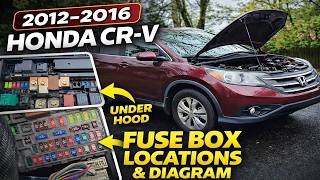
- The CR-V has two fuse boxes: one under the hood for high-power systems and one in the dash (MICU) for cabin electronics.
- A non-working A/C is often caused by a simple, cheap A/C relay in the under-hood fuse box, not a failure of the entire unit.
Understanding the Two Fuse Boxes in Your CR-V

When diagnosing electrical problems in a 2005-2016 Honda CR-V, it's important to know that the vehicle uses two separate fuse boxes. Each serves a different purpose.
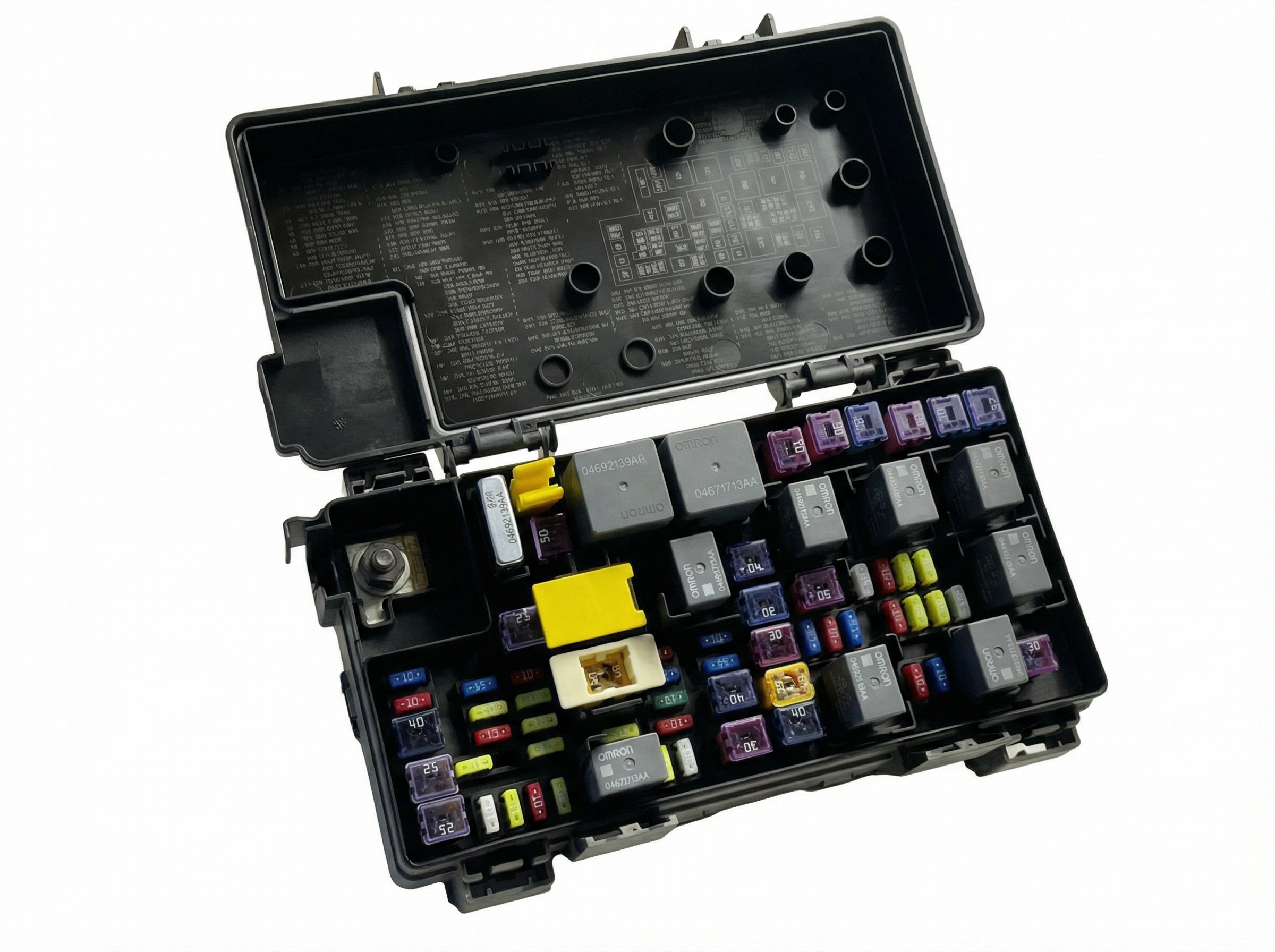
- Under-Hood Fuse Box: Located in the engine compartment near the battery, this box contains high-amperage fuses and relays for critical engine and vehicle systems like the starter, A/C compressor, cooling fans, and headlights. It also houses the main multi-block fuse that protects the entire electrical system.
- Interior Fuse/Relay Box: Found under the driver's side dashboard, this unit is more than just a simple fuse holder. It integrates a computer called the Multiplex Integrated Control Unit (MICU). This MICU is the 'brain' for most of the car's body and cabin functions, such as power windows, door locks, interior lighting, and the instrument cluster. Failures in this box can cause a wide range of strange, seemingly unrelated electrical symptoms.
Warning: The 2005-2016 model years span three different CR-V generations (2nd, 3rd, and 4th). Fuse box designs, part numbers, and fuse layouts are NOT interchangeable between these generations.
Symptoms of a Failing Fuse Box

A failing fuse box can manifest in several ways, from a single component not working to a complete no-start condition. It's important to distinguish between a simple blown fuse and a problem with the fuse box itself.
- Multiple Unrelated Electrical Failures: This is the most common sign of a failing interior fuse box (MICU). You might experience issues like the radio not working, interior lights flickering, power windows operating intermittently, and warning lights on the dash all at once.
- Melting or Repeatedly Blowing Fuses: If a new fuse blows immediately after being installed, it usually points to a short circuit in that component's wiring. However, if the fuse slot itself shows signs of melting, discoloration, or heat damage, the fuse box has an internal short and must be replaced.
- No Power / No-Start Condition: A complete loss of electrical power can be caused by a blown main fuse in the under-hood fuse box. This often happens if the battery is connected backward (reverse polarity).
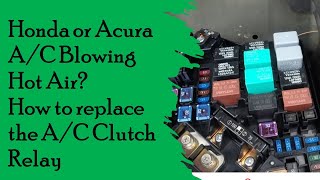
- A/C System Not Working: While many issues can disable air conditioning, a very common failure point on this generation of CR-V is the A/C compressor clutch relay, located in the under-hood fuse box.
- Parasitic Battery Drain: A faulty relay or a short within the interior fuse box can fail to shut down completely when the car is off, leading to a drained battery overnight.
Known Issues, Recalls, and Technical Service Bulletins (TSBs)

Searches of the National Highway Traffic Safety Administration (NHTSA) database and other official sources show no major recalls or TSBs specifically for fuse box failure on the 2005-2016 Honda CR-V. However, the community has identified common problems:
- A/C Compressor Clutch Relay Failure: This is a widely reported issue. The relay, located in the under-hood fuse box, can fail and prevent the A/C compressor from engaging. This is often a simple and inexpensive relay replacement, not a full fuse box replacement. 🎬 Watch: How to replace the A/C compressor clutch relay
- Main Multi-Block Fuse Failure: The under-hood fuse box contains a main fuse assembly that is designed to blow if the battery is jumped or installed incorrectly. This protects the vehicle's sensitive electronics from catastrophic damage. This part is replaceable on its own.
Does a Replacement Fuse Box Need Programming?

No. For the 2005-2016 Honda CR-V, a replacement interior or under-hood fuse box does not require dealer programming or flashing. It is a direct, plug-and-play replacement. This is a significant advantage, as it eliminates the need for expensive dealer visits after installation.
Pro Tip: After replacing the fuse box (or disconnecting the battery), you will likely need to perform two simple resets: enter the anti-theft code for your factory radio and perform the power window reset procedure (holding the switch up or down for a few seconds for each window). These procedures can be found in your owner's manual.
Buying a Used Fuse Box: The Definitive Checklist
Since new aftermarket fuse boxes are not commonly available, and new OEM units are very expensive, a quality used OEM fuse box is often the best value. Here’s how to ensure you get the right part.
1. Match the Part Number — This is Not Optional
This is the single most important step. Honda used many different interior fuse boxes depending on the vehicle's year and trim level (LX, SE, EX, EX-L, Touring). Features like a sunroof, premium audio, or keyless entry dictate which fuse box is installed. A fuse box from an EX-L will not work correctly in an LX.
- Locate the part number on your original fuse box. It's typically on a white sticker.
- Ensure the part number on the used unit you are buying is an exact match.
- The first part of the number identifies the vehicle generation: S9A (2005-2006), SWA (2007-2011), or T0A (2012-2016). Do not mix these.
Warning: Do not buy a fuse box based on looks alone. Two boxes can look identical but have different internal circuitry for different trim levels. Always verify the OEM part number.
2. Perform a Thorough Visual Inspection
Before purchasing, carefully inspect the used fuse box for signs of damage:
- Corrosion: Check all pins and connectors for any green or white crusty buildup. Corrosion indicates water damage, which is a major red flag.
- Melting or Discoloration: Look closely at the plastic around each fuse and relay slot. Any signs of melting, charring, or browning indicate a past short circuit and internal damage.
- Physical Damage: Ensure the plastic housing is not cracked and that all mounting tabs are intact.
3. Why Used OEM is a Smart Choice
For a part like a fuse box, a used OEM unit from a reputable recycler is often a better choice than a theoretical cheap aftermarket alternative. The OEM units are built to Honda's specifications with high-quality internal components and plastics. A used part from a low-mileage, collision-damaged vehicle that was kept dry is functionally identical to a new one but costs significantly less.
Cost to Replace a 2005-2016 Honda CR-V Fuse Box
Costs can vary significantly based on the generation and trim of your CR-V. The interior fuse box (MICU) is typically more expensive than the under-hood box.
| Part Type | Estimated Cost |
|---|---|
| New OEM | $480 - $1,100 |
| New Aftermarket | Not Commonly Available |
| Used OEM | $70 - $275 |
| Shop Labor | $180 - $400 |
Labor costs are estimated based on a national average labor rate of $120-$160/hour and 1.5-2.5 hours of work. Accessing the interior fuse box under the dash can be time-consuming.
Frequently Asked Questions (FAQ)
Where are the fuse boxes located on a 2005-2016 Honda CR-V?
There are two: one in the engine bay on the driver's side near the battery, and one inside the cabin under the dashboard, also on the driver's side.
🎬 See this video for 2012-2016 fuse box locations and diagramsMy A/C stopped working. Do I need a whole new fuse box?
Not necessarily. A very common cause is a failed A/C compressor clutch relay, which is a small, inexpensive part located in the under-hood fuse box. It's recommended to test or replace this relay before considering a full fuse box replacement for an A/C issue.
Can I replace a fuse box myself?
Yes, it is feasible for a DIYer with some experience. The under-hood box is relatively easy to access. The interior box is more challenging due to its location under the dashboard in a tight space. The most critical part of the job is ensuring the battery is disconnected and that you are installing a part with the exact same OEM number.
🎬 Watch this step-by-step guide for replacing a Gen 2 fuse boxWhat's the difference between a fuse box from an LX and an EX-L?
The difference is in the internal circuitry of the integrated MICU. An EX-L has more features (like a sunroof, heated seats, premium audio) than a base model LX. The fuse box is built to control these specific features. Installing the wrong one will cause some features to not work or to malfunction.
Helpful Videos
Technical Specifications
OEM Part Numbers: 38200-S9A-A12 38200-SWA-A01 38200-SWA-A02 38200-SWA-A03 38200-SWA-A11 38200-SWA-A12 38200-SWA-A13 38200-SWA-A21 38200-T0A-A01 38200-T0A-A03 38200-T0A-A04 38200-T0A-A13 38200-T0A-A14 38200-T0A-A21 38200T0AA01
Vehicle contains two fuse boxes: an under-hood power distribution center and an under-dash interior fuse box integrated with the Multiplex Integrated Control Unit (MICU).
We Have This Part in Stock




The information in this article is provided for general reference and educational purposes only. Vehicle specifications, procedures, and part compatibility can vary by production date, trim level, and region. Always consult your vehicle's factory service manual and verify part numbers before purchasing or performing repairs. Safety-critical components such as airbags, seat belts, and braking systems should be installed by a qualified professional.
- Honda CR-V:
- 🎬 Helpful Videos
- 🛍️ Shop This Part
- Understanding the Two Fuse Boxes in Your CR-V
- Symptoms of a Failing Fuse Box
- Known Issues, Recalls, and Technical Service Bulletins (TSBs)
- Does a Replacement Fuse Box Need Programming?
- Buying a Used Fuse Box: The Definitive Checklist
- 1. Match the Part Number — This is Not Optional
- 2. Perform a Thorough Visual Inspection
- 3. Why Used OEM is a Smart Choice
- Cost to Replace a 2005-2016 Honda CR-V Fuse Box
- Frequently Asked Questions (FAQ)
- 🎟️ Get 5% Off