

2002-2011 Honda CR-V Fuse Box: A/C Relay Failures, Fitment, and Replacement Guide
This guide covers common failures like the A/C relay, critical part number differences between generations, and replacement tips for both the second (2002-2006) and third-generation (2007-2011) CR-V fuse boxes.
- The 2002-2011 range covers two CR-V generations (2002-06 and 2007-11) that use different, non-interchangeable fuse boxes.
- A failed A/C compressor clutch relay in the under-hood fuse box is the most common cause of A/C failure on these vehicles.
- Replacement fuse boxes DO NOT require dealer programming, making a used OEM part a viable and cost-effective option.
- For 2002-2004 models, the interior fuse box is specific to the LX trim level; be sure to match part numbers and trim when buying.
- Check for melted relay sockets and corrosion on any used fuse box before purchasing.
Understanding the Two Generations: 2002-2006 vs. 2007-2011

The 2002-2011 Honda CR-V spans two distinct vehicle generations, each using different fuse boxes. It is critical to identify your vehicle's generation before sourcing a replacement part.
- 2nd Generation: 2002-2006 CR-V: These models use part numbers beginning with S9A. They have specific fitment issues and a major electrical recall you should be aware of.
- 3rd Generation: 2007-2011 CR-V: These models use part numbers beginning with SWA. Fitment is generally more straightforward for this generation.
Key Failures and Diagnostic Clues

While generally reliable, these fuse boxes have several well-documented failure points. Understanding them can save significant diagnostic time.
Most Common Failure: A/C Compressor Clutch Relay
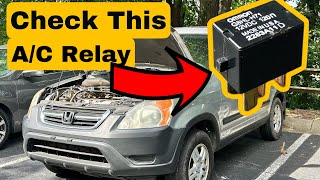
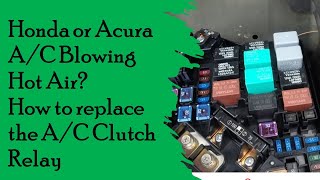
One of the most frequent issues on both 2nd and 3rd generation CR-Vs is the failure of the A/C compressor clutch relay, located in the under-hood fuse box. When this relay fails, the air conditioning will not blow cold, even if the system is fully charged with refrigerant. 🎬 Watch: Quick fix for 2002-2006 CR-V A/C relay issues The condenser fan may still turn on, but the compressor clutch itself will not engage. In some cases, the relay simply wears out. In others, high resistance can cause the relay's socket in the fuse box to overheat and melt, requiring a full fuse box replacement.
No-Start or Stalling: PGM-FI Main Relay
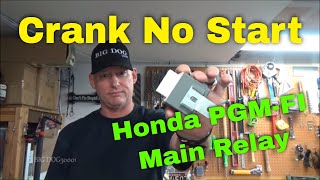
The PGM-FI (Programmed Fuel Injection) main relay powers the engine computer (ECU/PCM) and the fuel pump. If this relay fails or its connection within the fuse box becomes loose or corroded, it can cause a range of symptoms. You might experience the engine cranking but not starting, or sudden stalling while driving. This is a critical relay for engine operation.
🎬 See how to diagnose a faulty PGM-FI main relayDiagnostic Clue: OBD-II Code P0685
If your Check Engine Light is on and you find code P0685 (ECM/PCM Power Relay Control Circuit / Open), it's a strong indicator of a problem with the PGM-FI main relay or the fuse box itself. This code means the engine computer has detected a voltage issue in its own power supply circuit. A technician might find this code when diagnosing a no-start condition on a CR-V.
Symptoms of a Failing Fuse Box

- Multiple, unrelated electrical systems failing simultaneously (e.g., radio, windows, and interior lights all stop working).
- A specific component repeatedly blows fuses, even after being replaced.
- A/C compressor not engaging, even with a good relay and full refrigerant charge.
- Engine cranks but will not start, or stalls intermittently.
- Visible corrosion (white or green powder) on fuse box terminals.
- Melted plastic around any of the fuse or relay sockets. 🎬 Watch: Step-by-step guide to replacing a Gen 2 fuse box
- A persistent burning plastic smell from under the hood or dash.
Safety Recall (2002-2006 Models): A significant recall (NHTSA #20V-768, superseding 12V-486) was issued for the driver's side power window master switch. Water or other liquids can enter through the open driver's window and short out the switch, creating a fire risk even when the vehicle is parked. While this recall targets the switch, not the fuse box, it highlights a vulnerability to moisture on the driver's side, where the interior fuse box is located.
Buying a Used Fuse Box: A Step-by-Step Guide

A used OEM fuse box is an excellent, cost-effective solution because these units do not require any programming after installation. However, careful inspection is key to getting a good part.
- Confirm Your Generation: First, determine if you have a 2nd Gen (2002-2006) or 3rd Gen (2007-2011) CR-V.
- Match the Part Number Exactly: Locate the part number on your original fuse box. For 2nd Gen models, look for numbers like 38200-S9A-A11 (interior) or similar S9A codes. For 3rd Gen, look for SWA numbers like 38250-SWA-013. Do not install a fuse box with a different part number, even if it looks similar.
- Heed the 2002-2004 Fitment Warning: If you have a 2002-2004 CR-V, the interior fuse box for the LX trim is different from the EX trim. The initial data confirms this is a common point of confusion. Ensure the donor vehicle's trim level matches yours.
- Perform a Thorough Physical Inspection:
- Check for Corrosion: Look for any white, green, or blue crusty residue on the pins, connectors, or circuit board. This indicates water damage, and the part should be rejected.
- Inspect for Melting: Pay close attention to the sockets for high-amperage relays like the A/C clutch and PGM-FI main relay. Any sign of melted plastic, discoloration, or charring is a major red flag.
- Examine All Connectors and Tabs: Ensure none of the plastic connector housings or mounting tabs are cracked or broken. A damaged connector can lead to a poor connection and repeat failures.
Pro Tip: When you receive your used fuse box, it's a good practice to swap your original fuses and relays into the replacement unit, unless you are certain the ones in the used box are correct and functional. This ensures all amperage ratings are correct for your specific vehicle's options.
Cost Comparison
| Part Type | Estimated Cost |
|---|---|
| New OEM | $190 - $270 |
| New Aftermarket | $120 - $200 |
| Used OEM | $50 - $125 |
| Shop Labor | $100 - $200 |
Frequently Asked Questions (FAQ)
Does a replacement Honda CR-V fuse box need to be programmed?
No. For the 2002-2011 model years, neither the under-hood nor the interior fuse box requires programming or flashing. It is a direct plug-and-play replacement. After installation, you may need to perform a simple power window reset procedure and enter your radio's security code.
Where are the fuse boxes located on a 2002-2011 CR-V?
There are two primary locations. The under-hood fuse box is in the engine compartment, typically on the driver's side near the battery. The interior fuse box is located under the dashboard, to the left of the steering column.
My CR-V's A/C isn't working. Could it be the fuse box?
Yes. A faulty A/C compressor clutch relay is a very common issue. If the relay itself is good, the socket it plugs into on the fuse box may have failed or melted. This is a common reason for replacing the entire under-hood fuse box.
What's the difference between the under-hood and interior fuse boxes?
The under-hood box handles high-current systems essential for the engine's operation, like the fuel pump, starter, and cooling fans. The interior box (sometimes called the MICU) manages lower-current accessories and body functions like power windows, locks, radio, and lighting.
Helpful Videos
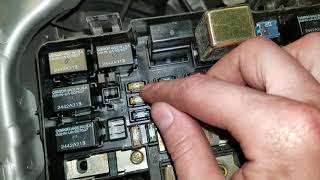
Technical Specifications
OEM Part Numbers: 38250-SWA-003 38250-SWA-013 38250S9AA01 38250S9AA02 38200-S9A-A11
Houses both blade-type fuses and plug-in relays. The interior fuse box integrates the Multiplex Integrated Control Unit (MICU).
We Have This Part in Stock



The information in this article is provided for general reference and educational purposes only. Vehicle specifications, procedures, and part compatibility can vary by production date, trim level, and region. Always consult your vehicle's factory service manual and verify part numbers before purchasing or performing repairs. Safety-critical components such as airbags, seat belts, and braking systems should be installed by a qualified professional.
- Honda CR-V:
- 🎬 Helpful Videos
- 🛍️ Shop This Part
- Understanding the Two Generations: 2002-2006 vs. 2007-2011
- Key Failures and Diagnostic Clues
- Most Common Failure: A/C Compressor Clutch Relay
- No-Start or Stalling: PGM-FI Main Relay
- Diagnostic Clue: OBD-II Code P0685
- Symptoms of a Failing Fuse Box
- Buying a Used Fuse Box: A Step-by-Step Guide
- Cost Comparison
- Frequently Asked Questions (FAQ)
- 🎟️ Get 5% Off