

2012-2020 Honda Civic Fuse Box: A Guide to Failures, Part Numbers, and Replacement Programming
Covering two Civic generations, this guide explains common fuse box failures, why part numbers are critical, and the essential programming steps required after replacement.
- The interior fuse box (MICU) for 2012-2015 Civics contains the immobilizer and MUST be reprogrammed to the vehicle's keys after replacement, or the car will not start.
- Part numbers must be matched EXACTLY. Compatibility depends on generation, trim, engine, transmission, and body style.
- Symptoms often involve multiple, unrelated electrical systems failing at once, which can mimic many other issues.
- A used OEM fuse box is a viable option, but inspect it for corrosion or melting and ensure the part number is a perfect match.
Understanding the Honda Civic Fuse Box: 2012-2015 vs. 2016-2020

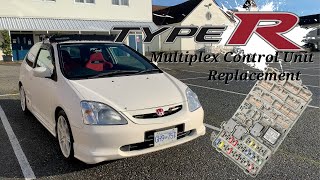
The fuse box, or Power Distribution Center, in 9th and 10th generation Honda Civics is a critical electronic module. Unlike older cars where a fuse box was a simple plastic holder, the modern Civic's fuse box is a complex assembly that often includes the engine wiring harness and is tied directly into the car's body control computer, known as the Multiplex Integrated Control Unit (MICU). This means that a failure here can cause widespread, seemingly unrelated electrical problems. It also makes replacement a more involved process that often requires special programming.
It is essential to distinguish between the two generations covered in this guide:
- 9th Generation Honda Civic (2012-2015): These models have a known link between the interior fuse box/MICU and the vehicle's immobilizer system.
- 10th Generation Honda Civic (2016-2020): These models feature even more complex electronics. The main under-hood fuse box is often sold as a complete unit with the engine room wire harness.
Symptoms of a Failing Fuse Box

A failing fuse box can manifest in many ways, from minor annoyances to a car that won't start. Because it's a central hub, symptoms can be confusing and mimic other problems.
- Multiple, Unrelated Electrical Failures: This is the most common sign. You might experience issues like the radio, interior lights, power windows, and turn signals failing at the same time.
- Engine Will Not Start or Stalls: The fuse box powers the fuel pump and engine computer. If a critical relay or internal connection fails, the car may not start or could stall while driving.
- Parasitic Battery Drain: A short circuit or faulty relay within the fuse box can cause a continuous power draw that drains the battery, even when the car is off.
- Visible Damage or Burning Smell: A visual inspection may reveal melted plastic around fuses or relays, or you might notice a distinct burning plastic smell coming from the fuse box area.
- Repeatedly Blowing Fuses: While a single blown fuse is common, if a specific fuse or multiple fuses blow repeatedly, it can indicate a short circuit within the fuse box itself.
- Flashing Green Key Light (Immobilizer): On 9th gen Civics especially, a failing interior fuse box (MICU) can cause the immobilizer system to activate, preventing the car from starting and causing the green key icon to flash on the dashboard.
Known Issues, Recalls, and Technical Service Bulletins (TSBs)
While no major recalls specifically target the main fuse box for this entire year range, some related issues and TSBs exist. Many owner complaints revolve around parasitic draws and failures of the integrated MICU. For example, a faulty A/C clutch relay, which is often housed in the fuse box, is a common Honda issue that can lead to a dead battery. Always check for any open recalls or TSBs related to your vehicle's specific VIN with a dealership.
Warning: The interior fuse box (under the dash) and the under-hood fuse box are different parts. The interior unit contains the Multiplex Integrated Control Unit (MICU) and is directly tied to the immobilizer. Replacing it is not a simple swap.
Programming and Immobilizer Requirements

This is the most critical aspect of replacing a Honda Civic fuse box, especially the interior unit.
YES, PROGRAMMING IS REQUIRED.
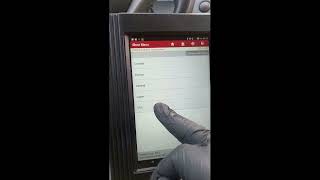
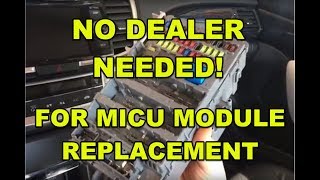
For the 9th Generation (2012-2015) Civic, the interior fuse box/MICU contains the immobilizer data. If you replace this unit—even with a used one—the car will not start because the keys are no longer registered to the system. The green key light on the dash will flash, indicating an immobilizer lockout. To resolve this, the keys must be reprogrammed to the replacement MICU using a compatible diagnostic scan tool, like the Honda Diagnostic System (HDS) used by dealers or some advanced aftermarket tools. 🎬 Watch: How to program keys after replacing the interior fuse box. Some locksmiths and independent shops with the right equipment can perform this service.
There is a more advanced DIY method that involves desoldering the original EEPROM chip (which stores the immobilizer data) from the old board and soldering it onto the replacement board. This is a delicate procedure that requires electronics expertise but can avoid the need for reprogramming.
🎬 See how to swap the EEPROM chip to bypass dealer programming.For the 10th Generation (2016-2020), while the under-hood fuse box is less integrated with the immobilizer, it is still a complex module. Any replacement should be followed by a full system scan to ensure all modules are communicating correctly. Some configurations may need to be set using a dealer-level tool.
Buying a Used Honda Civic Fuse Box: A Buyer's Guide

A used OEM fuse box is often the most cost-effective solution, as new units can be extremely expensive. However, you must be incredibly careful to ensure compatibility.
- Match the Part Number EXACTLY: This is not optional. The part number is printed on a sticker on the side of the fuse box. Even a single digit or letter difference can mean the unit is for a different trim level, engine, or transmission, and it will not work correctly. Use the provided OEM part numbers as a starting point but always verify with the number on your original part.
- Verify by Vehicle Specifications: The initial warnings are critical. A fuse box for an EX Coupe with an automatic transmission will not work in a Sedan with a manual transmission. Be sure your donor part comes from a vehicle with the exact same:
- Year and Generation (9th vs. 10th)
- Trim Level (LX, EX, Si, etc.)
- Engine (1.8L, 2.0L, 1.5L Turbo)
- Transmission (Automatic/CVT or Manual)
- Body Style (Sedan or Coupe)
- Physical Inspection: When you receive the used part, inspect it carefully. Look for any signs of white or green corrosion on the pins or connectors, which indicates water damage. Check for melted plastic or darkened areas around the relay sockets, which signals overheating. Avoid any unit that looks like it has been opened or tampered with.
- Why Used OEM is Better: For a complex electronic part like this, a used original equipment (OEM) part is almost always superior to a new aftermarket one. The OEM unit was designed specifically for the vehicle's systems, while aftermarket versions can have quality control issues and may not communicate properly with the car's other computers.
Pro Tip: When buying a used under-hood fuse box that comes with the wiring harness, take detailed photos of your original setup before removal. The harnesses can be vast and confusing, and having a reference is invaluable.
Cost Comparison
The price of a replacement fuse box can vary dramatically based on the source and generation.
| Part Source | Estimated Cost |
|---|---|
| New OEM (Dealer) | $600 - $3,500+ (Part only, 10th gen units with harnesses are significantly more expensive) |
| New Aftermarket | Not commonly available due to complexity. |
| Used OEM (Recycled) | $75 - $400 |
| Shop Labor (Replacement) | $200 - $500 (depending on location and whether it's an interior or under-hood unit) |
| Shop Labor (Programming) | $100 - $250 (Required for interior MICU replacement) |
Frequently Asked Questions (FAQ)
Do I have to get my new fuse box programmed by the dealer?
If you are replacing the interior fuse box (MICU), it must be programmed to your keys. While a dealer is the most common option, some well-equipped independent mechanics or automotive locksmiths can also perform this service. If you are only replacing the under-hood box, programming is not always required, but it's wise to perform a system reset.
Can I use a fuse box from a different Civic trim level, like an Si box in an LX?
No. This is highly discouraged. Different trim levels have different features (e.g., sunroof, heated seats, fog lights) which are all wired through the fuse box. Using the wrong one will cause some features to not work and may even create new electrical problems or short circuits.
What causes a fuse box to fail?
Failures can be caused by several factors. Water intrusion from a bad cowl seal or windshield leak can corrode the internal circuit board. Overloading circuits with aftermarket accessories can cause relays or internal traces to overheat and melt. Sometimes, electronic components on the integrated circuit board simply fail with age and heat cycles.
My mechanic says I need a new MICU. Is that the same as a fuse box?
Yes, for practical purposes. On these Honda Civics, the Multiplex Integrated Control Unit (MICU) is built into the interior fuse box assembly located under the driver's side dashboard. When you replace one, you are replacing the other. This is why programming is so important for this specific part.
Helpful Videos
Technical Specifications
OEM Part Numbers: 38200-TX6-A11 32200-TBA-A02 32200-TBG-A40 32200-TR0-A30 32200-TR0-A31 32200-TR0-A32 32200-TR3-C30 32200-TR3-C31 32200-TR3-C32 32200-TS8-A00 32200-TS8-A01 32200TBAA00 32200TBAA30 32200TBGA21 32200TBGA22 38200-TR0-A31 38200-TBA-A31
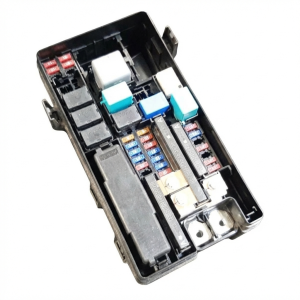
The fuse box assembly for the 10th generation (2016-2020) is often sold complete with the engine room wire harness.
We Have This Part in Stock




The information in this article is provided for general reference and educational purposes only. Vehicle specifications, procedures, and part compatibility can vary by production date, trim level, and region. Always consult your vehicle's factory service manual and verify part numbers before purchasing or performing repairs. Safety-critical components such as airbags, seat belts, and braking systems should be installed by a qualified professional.
- Honda Civic:
- 🎬 Helpful Videos
- 🛍️ Shop This Part
- Understanding the Honda Civic Fuse Box: 2012-2015 vs. 2016-2020
- Symptoms of a Failing Fuse Box
- Known Issues, Recalls, and Technical Service Bulletins (TSBs)
- Programming and Immobilizer Requirements
- Buying a Used Honda Civic Fuse Box: A Buyer's Guide
- Cost Comparison
- Frequently Asked Questions (FAQ)
- 🎟️ Get 5% Off