

2016-2025 Honda Accord Fuse Box Guide: Decoding Failures, Part Numbers, and Programming
This guide covers common fuse box and Body Control Module (BCM) issues, part number variations, and critical programming requirements for the 9th, 10th, and 11th generation Honda Accord.
- Fuse boxes in 2018-2025 Accords are complex modules that MUST be programmed by a dealer or specialist after installation.
- Always match the OEM part number exactly. A visually similar box from a different trim or engine will not work correctly.
- Before replacing a fuse box on a 2018+ model for electrical issues, check for open recalls first, as a free software update may solve the problem.
- Complete aftermarket fuse box assemblies are generally not available, making a verified used OEM part the most common and cost-effective repair solution.
Symptoms of a Failing Fuse Box

A single blown fuse is a simple fix, but a failing fuse box or integrated BCM can cause widespread and confusing electrical problems. Because the fuse box is the heart of the electrical system, its failure can mimic many other issues.
- Multiple Unrelated Electrical Failures: This is the most common sign. For example, the radio, power windows, and turn signals may stop working simultaneously.
- Intermittent Operation of Components: Lights may flicker, the infotainment screen might randomly restart, or power locks may work one moment and not the next.
- Vehicle Won't Start or Loses All Power: A major internal failure can cut power to the fuel pump or ignition system, preventing the car from starting. Some owners have reported a complete loss of power that was temporarily fixed by wiggling the fuse box, indicating a loose internal connection.
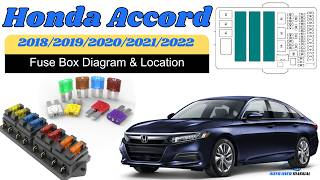
- Burning Plastic Smell: A strong odor of melting plastic or burnt electronics around the fuse box (located under the hood or inside the cabin) 🎬 See this guide to find your fuse box and diagrams points to a short circuit and overheating within the unit.
- Visible Corrosion or Melting: White or green crusty deposits on the terminals or melted plastic around fuse slots are clear signs of water damage or severe electrical shorts.
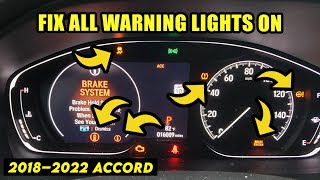
- Specific Warning Lights: On 10th generation (2018-2022) models, a BCM failure can trigger a cascade of warning lights on the dashboard, such as "Lane Keeping Assist System Problem" or "Collision Mitigation System Problem". 🎬 Watch: How to fix multiple dashboard warning lights on 10th gen models
Known Issues, Recalls, and TSBs by Generation

The issues, part numbers, and repair procedures for Accord fuse boxes vary significantly between generations.
9th Generation (2016-2017)
Pro Tip: Fuse boxes on 2016-2017 models are generally not integrated with the BCM and do not require programming after installation, making replacement a more straightforward, plug-and-play process.
- Recall - Battery Sensor Fire Risk: Honda recalled 2013-2016 Accords for a 12-volt battery sensor on the negative battery cable that was not properly sealed against moisture. Road salt could enter the sensor, causing a short circuit that could lead to an engine compartment fire. While the fuse box itself isn't the cause, any under-hood electrical issue or fire can easily damage the nearby fuse box and wiring.
- Common Failures: Owners have reported intermittent electrical issues, such as the center console and power steering losing power, particularly when turning at low speeds. Other reports mention total electrical failure and no-start conditions that trace back to a poor connection within the under-hood fuse box.
10th Generation (2018-2022)
Warning: The main fuse box/BCM in these models is NOT plug-and-play. It must be programmed to the vehicle's VIN and immobilizer system by a dealer or a qualified locksmith. Failure to program it will result in a no-start condition.
- Recall - BCM Software Malfunction (NHTSA ID: 20V771): Honda recalled over 734,000 Accord and Insight vehicles for a BCM software flaw. This bug could disrupt communication between modules, causing random failures of the wipers, turn signals, rearview camera, and other systems, increasing crash risk. The fix is a software update at a Honda dealer.
- Widespread Electrical Gremlins: Due to the integrated BCM, these models are prone to a wide variety of electrical complaints. Owners report numerous warning lights appearing at once, infotainment screen blackouts, and issues with driver-assist systems, many of which can be traced to a faulty BCM.
11th Generation (2023-2025)
Warning: Like the 10th generation, these fuse boxes are integrated electronic modules that require programming after installation. Also, be aware of a major recall that can mimic fuse box failure.
- Recall - Sudden Loss of Power on Hybrid Models: A major recall was issued for 2023-2025 Accord Hybrids due to a software error in the Integrated Control Module (ICM), which is separate from the fuse box. This defect can cause the vehicle to suddenly lose all drive power, which can be easily misdiagnosed as a catastrophic fuse box failure. Before replacing any hardware, a dealer must check if this free software update applies to your vehicle.
- Recall - Seat Belt Pretensioner (NHTSA ID: 23V782): 2023-2024 Accords were recalled because the front seat belt pretensioners may be missing a critical rivet, preventing them from properly restraining an occupant in a crash. While not a fuse box issue, it is a critical safety check for these model years.
Programming and Installation Requirements

This is the most important factor when replacing a Honda Accord fuse box.
- 2016-2017 (9th Gen): Generally NO programming is needed. Replacement involves disconnecting the battery, removing the connectors and mounting bolts, and swapping the unit.
- 2018-2025 (10th & 11th Gen): Programming is MANDATORY. The fuse box/BCM is tied to the car's anti-theft immobilizer system. After physical installation, the vehicle will not start until the module is programmed with a dealer-level scan tool 🎬 Watch: How to program a used BCM using a scan tool or by a certified automotive locksmith. This process syncs the new module to your car's VIN and keys.
Pro Tip: An alternative to dealer programming is a "cloning" service. You can send your original (faulty) module and a compatible used module to a specialist who will copy the programming data from your old unit to the replacement. This makes the replacement unit plug-and-play when you receive it back.
Buying a Used Fuse Box: A Buyer's Guide

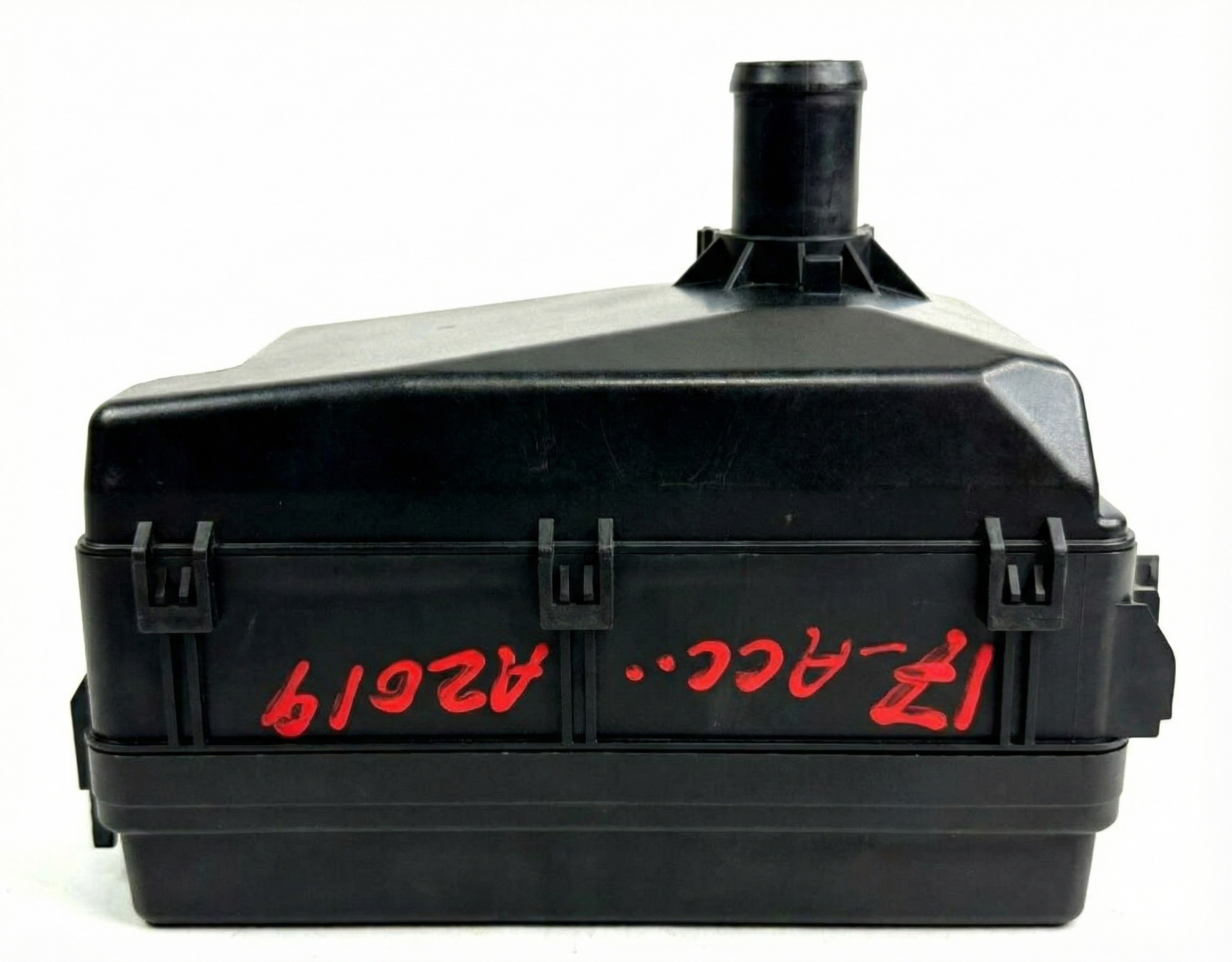
A used OEM fuse box is often the best value, as complete aftermarket assemblies are generally not available and new OEM units can be very expensive. Here’s what to look for.
Step 1: Identify Your Generation and Part Number
Compatibility is everything. A fuse box from a different generation or even a different trim level will not work. You MUST match the OEM part number from your original unit.
| Generation | Common Part Numbers | Key Details |
|---|---|---|
| 9th Gen (2016-2017) | 38200-T2A-Axx, 38200-T2F-Axx | No programming required. Match part number to engine (2.4L, 3.5L) and trim. Part numbers starting with 32200 are often the entire engine wiring harness, not just the fuse box. |
| 10th Gen (2018-2022) | 38200-TVA-A0x (1.5L), 38200-TVA-A1x (2.0L/Hybrid) | Programming is mandatory. Part number must match engine and features. A used unit is a viable option if you plan for programming or cloning. |
| 11th Gen (2023-2025) | 38200-30A-Axx | Programming is mandatory. Match part number exactly to trim level (e.g., LX, EX). |
Step 2: Physical Inspection Checklist
When your used part arrives, inspect it carefully before installation:
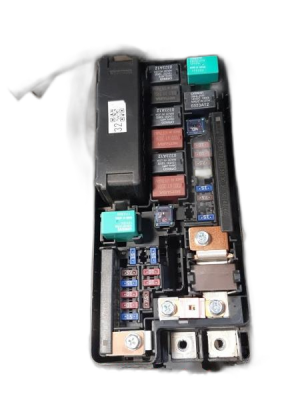
- Check for Corrosion: Look for any white or green powder on the pins or connectors. This indicates moisture damage and the part should be rejected.
- Inspect for Heat Damage: Look for any melted plastic, discolored areas, or warped housing, especially around the high-amperage fuse slots.
- Verify All Connectors are Intact: Ensure none of the plastic connector housings are cracked or broken, and that no wires have been cut.
- Confirm Fuses and Relays are Present: While many used fuse boxes are sold without fuses or relays, check if the main high-amperage fuses are still present, as they can be expensive to replace individually.
Replacement Cost Comparison
Prices vary significantly by generation and whether programming is required.
| Part Source | Estimated Cost | Notes |
|---|---|---|
| New OEM | $100 - $700+ | Varies greatly by generation. 11th gen boxes are cheaper (~$100-$150), while 10th gen can be $400-$700. |
| New Aftermarket | Not Available | Complete fuse box assemblies are not commonly sold in the aftermarket. Only individual fuses and relays are available. |
| Used OEM | $75 - $250 | A cost-effective option, especially for older models or if you use a cloning service for newer ones. |
| Shop Labor | $150 - $450 | Expect 1-2 hours of labor for a simple swap ($150-$250). For 2018+ models requiring programming, expect 2-3 hours plus a diagnostic/programming fee, potentially adding $100-$200. |
Frequently Asked Questions (FAQ)
Does a replacement fuse box need to be programmed?
For 2016-2017 models, programming is generally not required. For 2018-2025 models, programming is absolutely mandatory. The car will not start without it because the fuse box is linked to the anti-theft system.
Where are the fuse boxes located on a Honda Accord?
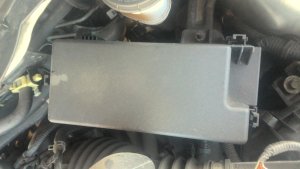
All 2016-2025 Accords have at least two fuse boxes. The main one is in the engine compartment, typically near the battery. The second is inside the car, under the driver's side dashboard, often behind a small panel.
Can I use a fuse box from a different Accord model?
No. You must match the part number exactly. Even if a fuse box looks identical, it may have different internal wiring or programming for different engines (1.5T, 2.0T, Hybrid) or trim levels (LX, Sport, Touring), which can cause system malfunctions or prevent the car from starting.
Why do my fuses keep blowing?
A fuse that repeatedly blows indicates an underlying problem in that circuit. It could be a short in the wiring (a wire rubbing against metal), a failing component (like a bad window motor drawing too much power), or an incorrect, low-amperage fuse being used. Simply replacing the fuse box will not solve this problem; the circuit itself must be diagnosed.
Helpful Videos
Technical Specifications
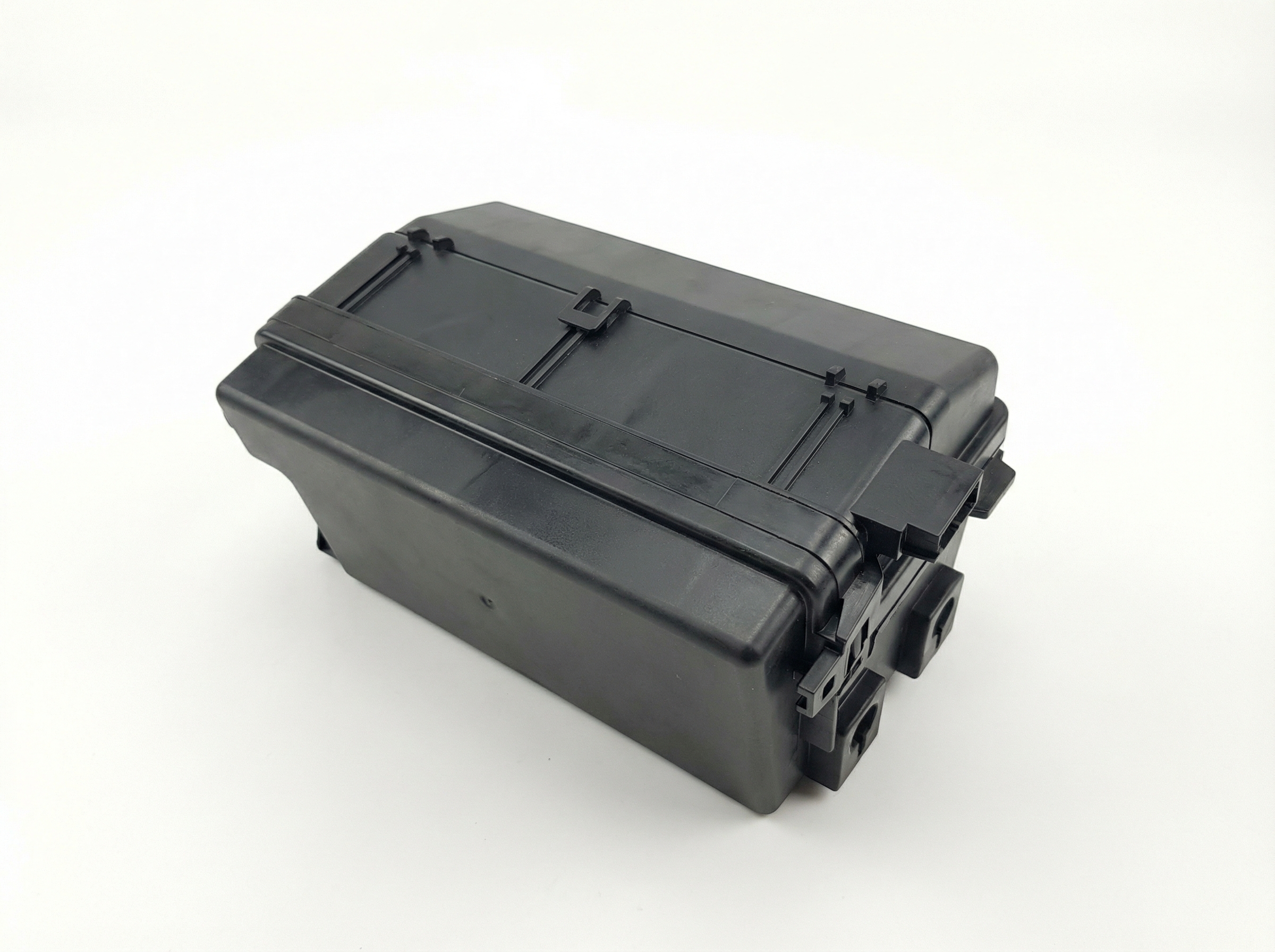
OEM Part Numbers: 32200-T2F-A00 38200-T2A-A03 38200-T2A-A23 38200-T2A-A33 38200-T2A-A52 38200-T2A-A61 38200-T2A-A71 38200-T2A-A81 38200-TVA-A01 38200-TVA-A11 38200-TVA-A12 38200-30A-A01 38200-30A-A11
Fuse box specifications are dependent on the specific OEM part number, which corresponds to the vehicle's generation, engine type (1.5T, 2.0T, 2.4L, 3.5L, Hybrid), and trim level (LX, EX, Sport, Touring).
We Have This Part in Stock


The information in this article is provided for general reference and educational purposes only. Vehicle specifications, procedures, and part compatibility can vary by production date, trim level, and region. Always consult your vehicle's factory service manual and verify part numbers before purchasing or performing repairs. Safety-critical components such as airbags, seat belts, and braking systems should be installed by a qualified professional.
- Honda Accord:
- 🎬 Helpful Videos
- 🛍️ Shop This Part
- Symptoms of a Failing Fuse Box
- Known Issues, Recalls, and TSBs by Generation
- 9th Generation (2016-2017)
- 10th Generation (2018-2022)
- 11th Generation (2023-2025)
- Programming and Installation Requirements
- Buying a Used Fuse Box: A Buyer's Guide
- Step 1: Identify Your Generation and Part Number
- Step 2: Physical Inspection Checklist
- Replacement Cost Comparison
- Frequently Asked Questions (FAQ)
- 🎟️ Get 5% Off