

2013-2025 Honda Accord Fuse Box & MICU Guide: Solving Electrical Gremlins and Power Loss
This in-depth guide covers the common failures, programming requirements, and complex part variations for the 9th, 10th, and 11th generation Honda Accord fuse boxes and integrated control units.
- The interior fuse box is also the Multiplex Integrated Control Unit (MICU) and MUST be programmed to the vehicle after installation.
- Part numbers must be matched EXACTLY. Compatibility is extremely specific to the vehicle's engine, trim, and options.
- A major recall for 2023-2025 Accord Hybrids causes sudden power loss due to a software flaw in the ICM, which is fixed by a dealer update.
- Common failure symptoms include parasitic battery drain, multiple random electrical issues, and communication error codes like U0029.
Understanding the Honda Accord Fuse Box: More Than Just Fuses

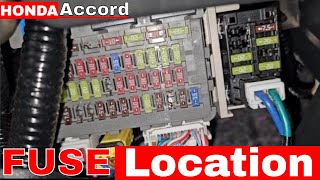
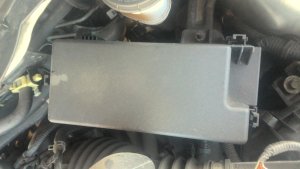
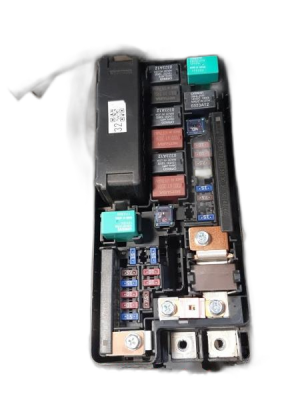
When diagnosing electrical issues in a 2013-2025 Honda Accord, it's crucial to understand that you're dealing with two distinct components. The under-hood fuse and relay box is a traditional power center. The interior fuse panel, located under the driver's side dashboard, is a sophisticated computer known as the Multiplex Integrated Control Unit (MICU). A failure in the under-hood box might cause a single component to stop working, but a failure in the interior MICU can cause a cascade of seemingly unrelated problems.
Warning: The interior fuse box (MICU) is NOT a plug-and-play part. Due to its link with the vehicle's immobilizer and customizable settings, it must be programmed to your specific vehicle after installation.
Generation-Specific Information & Known Issues

Fitment and common problems vary significantly across Accord generations.
9th Generation (2013-2017)
This generation is known for its extremely specific fuse box variations. Compatibility depends entirely on matching the OEM part number, which is dictated by engine, trim, and factory options.
- Common Variations: There are different fuse boxes for the 2.4L 4-cylinder and 3.5L V6 engines. Further variations exist for trim levels like LX, Sport, and EX-L.
- Key Fitment Warnings:
- For 2016-2017 models, a distinction is made for vehicles with or without the pre-crash safety system.
- Some part numbers are specific to EX-L models with navigation, while others are for models without it.
- Always verify the part number from your original unit before purchasing a replacement.
- Common Problems: Parasitic battery drain is a frequent complaint, sometimes traced back to a faulty relay or an internal short within the MICU.
10th Generation (2018-2022)
The electrical architecture was updated for this generation, but the core concept of an integrated interior MICU remains. Part number compatibility is still critical.
- Part Numbers: An example part number for a 2018-2019 Accord with a 1.5L engine is 38200-TVA-A01. As with the previous generation, different numbers exist for different powertrains and trims.
- Known Issues: While no major fuse box recalls exist, these models can still suffer from general electrical issues like communication errors between modules (CAN bus faults) that can sometimes be misdiagnosed as a fuse box problem.
11th Generation (2023-2025)
This is the latest generation of the Accord. While long-term reliability data is still being gathered, a major software-related recall impacts many of these vehicles.
- Major Recall (2023-2025 Accord Hybrids): A recall was issued for approximately 256,000 Accord Hybrid models due to a software error in the Integrated Control Module (ICM). This can cause the vehicle to suddenly lose all drive power, increasing the risk of a crash. The fix is a software update performed by a Honda dealer, not a hardware replacement. The NHTSA recall number is 25V-785 and Honda's internal number is TN2.
- Symptoms of the Recall: Sudden loss of acceleration, illumination of multiple warning lights, and a "Ready Off" alert in the cluster.
Symptoms of a Failing Fuse Box / MICU

A bad fuse box or MICU can manifest in many ways, from simple to complex.
- Parasitic Battery Drain: The most common symptom. The battery dies overnight or after a few days of sitting. This can be caused by a relay sticking on or an internal fault in the MICU that prevents the car from going into its low-power "sleep" mode.
- Multiple, Unrelated Electrical Failures: Power windows, radio, interior lights, and dashboard gauges may work intermittently or not at all.
- Communication Network Errors: Diagnostic trouble codes (DTCs) like U0029 (F-CAN Communication Line Error) may be present. This indicates that different computers in the car are unable to talk to each other, and the MICU is a central hub for this communication.
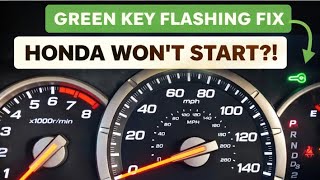
- No-Start Condition: If the MICU fails to recognize the key due to an immobilizer fault, the engine may crank but not start, often accompanied by a flashing green key symbol on the dashboard. 🎬 See why your car won't start and the green key flashes.
- Single Component Failure: While less common for the MICU, a failure in the under-hood fuse box can cause a specific component, like the fuel pump or A/C compressor, to lose power.
Buying a Used Fuse Box: What You Must Know

Purchasing a used OEM fuse box is a cost-effective repair strategy, but it requires careful attention to detail.
Pro Tip: For this part, a used OEM unit is often a better choice than a new aftermarket one. Aftermarket modules can have software and compatibility issues, while a used OEM part is the exact component your car was built with.
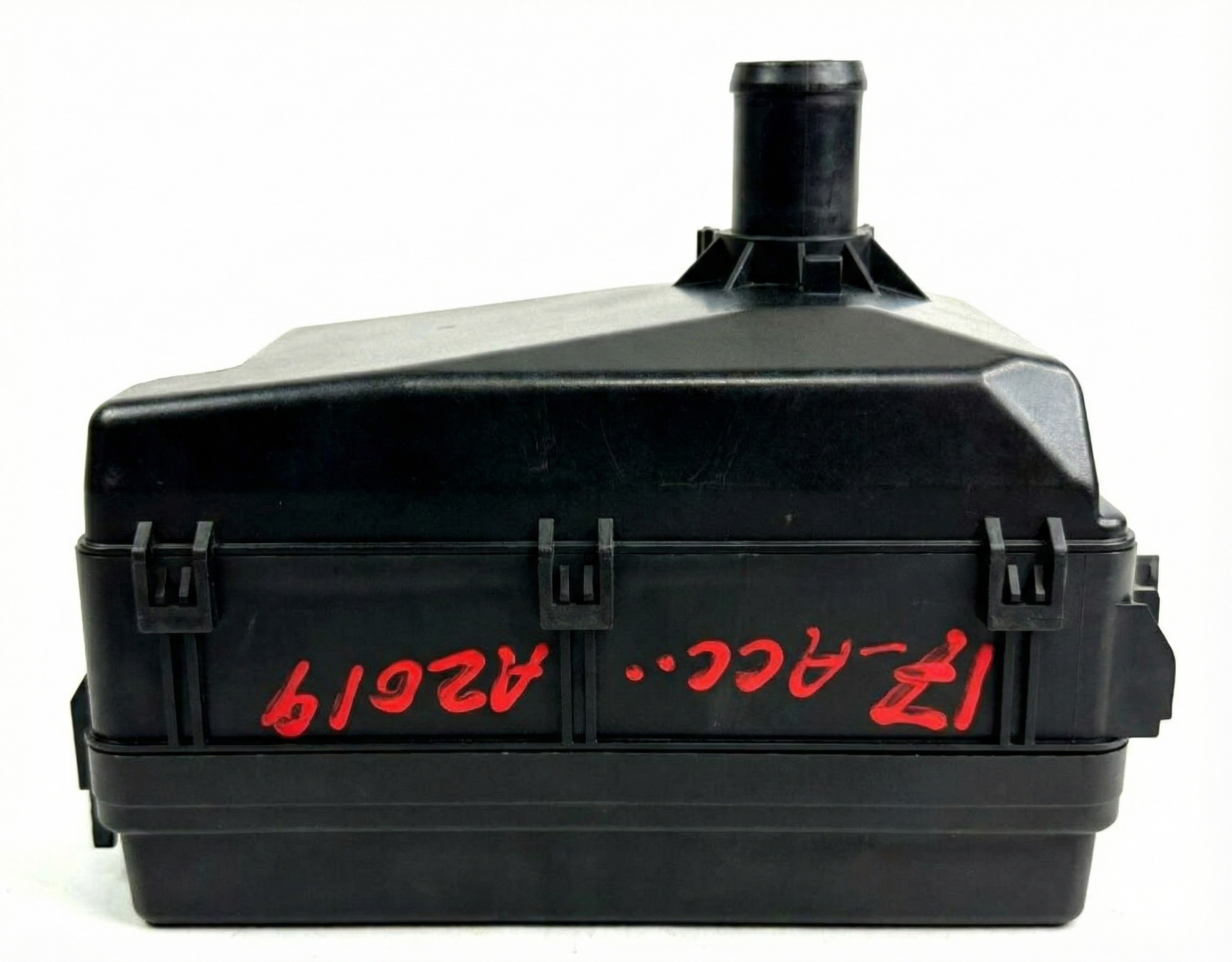
- Match the Part Number EXACTLY: This is the most important rule. Do not rely on year and model alone. The complex variations in trim and options mean that only an identical part number will have the correct internal circuitry and software configuration. The part number is printed on a label on the side of the fuse box.
- Inspect for Physical Damage: Look for any signs of corrosion (green or white powder), especially around the connectors. Water intrusion is a common cause of failure. Check for melted plastic around fuse or relay sockets, which indicates a severe short circuit. Ensure all connector pins are straight and not damaged.
- Source from a Reputable Supplier: Buy from a supplier that tests their parts and offers a warranty. This gives you protection in case the part is defective.
- Factor in Programming Costs: Remember that a replacement interior fuse box/MICU is not a DIY swap. You will need to have it programmed by a Honda dealership or a qualified independent shop with Honda Diagnostic System (HDS) software or an equivalent J2534 pass-thru tool.
Programming and Installation Requirements

Replacing the under-hood fuse box is generally a straightforward unbolt-and-swap procedure. However, replacing the interior fuse box (MICU) is more involved.
Programming is mandatory for the interior MICU. The MICU is linked to the car's immobilizer system. If you install a used MICU without programming, the car will not recognize your keys and will not start. The programming procedure involves using specialized diagnostic tools to:
- Register the new MICU to the vehicle's VIN.
- Rewrite all existing keys to the new module.
- Configure vehicle-specific options (like keyless entry, lighting behavior, etc.).
This service is typically performed by Honda dealerships. Some advanced independent auto repair shops or automotive locksmiths with the proper equipment may also be able to perform the programming.
Cost Comparison
Prices can vary based on generation, part number, and condition.
| Part Type | Estimated Cost |
|---|---|
| New OEM | $250 - $650 |
| New Aftermarket | $150 - $400 |
| Used OEM | $75 - $250 |
| Shop Labor (Installation & Programming) | $200 - $450 |
Frequently Asked Questions (FAQ)
Does a used Honda Accord fuse box need to be programmed?
Yes, if you are replacing the interior fuse box (the MICU). It contains the immobilizer logic and must be programmed to your vehicle's keys. The under-hood fuse box does not typically require programming.
Why are there so many different part numbers for the same year Accord?
The part numbers differ based on engine size (2.4L vs 3.5L vs Hybrid), trim level (LX, Sport, EX-L, Touring), and specific options like navigation or advanced safety systems (pre-crash system). Each combination requires a slightly different internal configuration, making it essential to match part numbers exactly.
My 2024 Accord Hybrid is losing power. Is it the fuse box?
It is most likely related to the recall for the Integrated Control Module (ICM) software. Symptoms include a sudden loss of drive power. Contact a Honda dealer with your VIN to see if your vehicle is affected. The fix is a free software update.
Can I diagnose a parasitic battery drain myself?
Yes, if you have a multimeter. The basic procedure involves setting the multimeter to measure amps and connecting it in series with the negative battery cable. You then pull one fuse at a time until the amp reading drops significantly. The fuse that causes the drop is on the circuit with the drain. This can help you determine if the drain is related to a component controlled by the fuse box.
Helpful Videos
Technical Specifications
OEM Part Numbers: 3220030AA00 32200T2AA00 32200T2AA01 32200T2AA02 32200T2AA40 32200T2AA41 32200T2AA42 32200T2AA60 32200T2AA61 32200T2AA62 32200T2AA80 32200T2AA81 32200T2AA82 32200T2AA90 32200T2AA91 38200-TVA-A01 38200-30A-A01
Houses blade-type fuses and relays. The interior unit integrates the Multiplex Integrated Control Unit (MICU), which manages B-CAN and F-CAN data bus communication networks.
We Have This Part in Stock



The information in this article is provided for general reference and educational purposes only. Vehicle specifications, procedures, and part compatibility can vary by production date, trim level, and region. Always consult your vehicle's factory service manual and verify part numbers before purchasing or performing repairs. Safety-critical components such as airbags, seat belts, and braking systems should be installed by a qualified professional.
- Honda Accord:
- 🎬 Helpful Videos
- 🛍️ Shop This Part
- Understanding the Honda Accord Fuse Box: More Than Just Fuses
- Generation-Specific Information & Known Issues
- 9th Generation (2013-2017)
- 10th Generation (2018-2022)
- 11th Generation (2023-2025)
- Symptoms of a Failing Fuse Box / MICU
- Buying a Used Fuse Box: What You Must Know
- Programming and Installation Requirements
- Cost Comparison
- Frequently Asked Questions (FAQ)
- 🎟️ Get 5% Off