

2008-2017 Honda Accord Fuse Box & MICU: Solving Electrical Gremlins
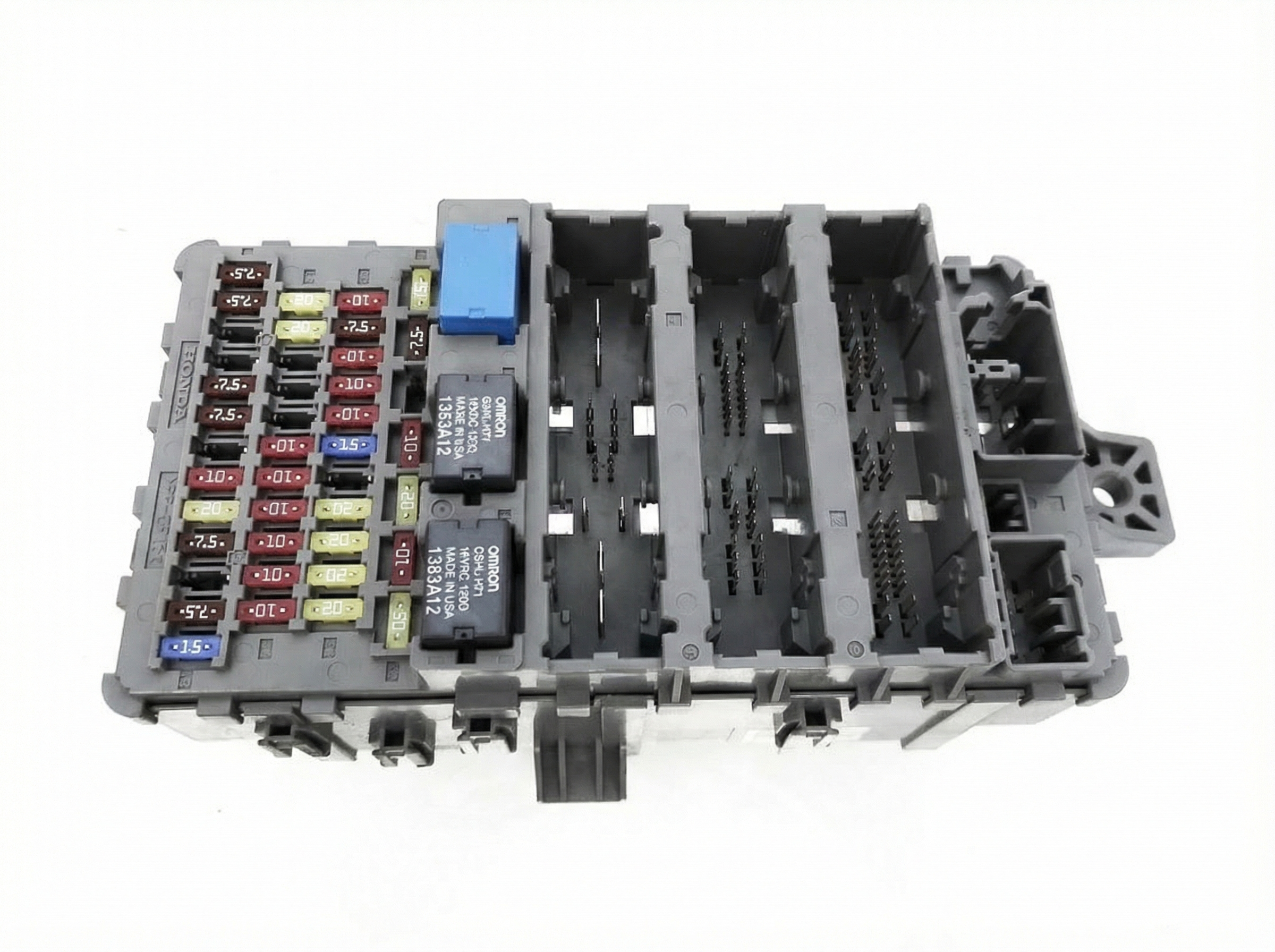
This guide explains why your Accord's interior fuse box is an intelligent computer (MICU), its common failures, and the critical programming steps required for replacement.
- The interior fuse box is also an intelligent computer (MICU) that requires programming by a dealer or qualified shop after replacement; otherwise, the car will not start.
- Part numbers must be matched exactly based on your Accord's year, engine, transmission, and trim level to ensure compatibility.
- Parasitic battery drain is a primary symptom of a failing MICU, often requiring a diagnostic test to confirm.
- For 2008-2012 models, water intrusion is a common cause of failure, so any leaks must be repaired before replacing the fuse box.
Key Differences: 8th Gen (2008-2012) vs. 9th Gen (2013-2017)

The Honda Accord saw a full redesign between these two generations, and the fuse box (MICU) is no exception. It is crucial to understand which generation you have before sourcing a part.
8th Generation (2008-2012)
The primary issue for this generation is failure of the driver's side interior fuse box/MICU, often due to water intrusion. Water can leak from a clogged sunroof drain or a bad windshield seal and drip directly onto the module, causing corrosion and unpredictable electrical problems. A key symptom of failure in this generation is a no-start condition where the engine cranks but won't turn over, accompanied by a blinking green key light on the dashboard. This indicates the MICU has lost communication with the immobilizer system.
9th Generation (2013-2017)
While also susceptible to general electrical failure, the most significant issue for the 9th generation is related to a recall involving the battery sensor. A poorly sealed sensor on the negative battery terminal could allow moisture and road salt to enter, causing a short circuit that could potentially lead to an engine bay fire. While not a direct failure of the fuse box, symptoms of a bad battery sensor can mimic other electrical problems, so it's important to ensure this recall has been performed on any 2013-2016 Accord.
Symptoms of a Failing Fuse Box / MICU

A failing Accord fuse box can cause some of the most confusing and seemingly unrelated electrical issues. Because it controls so many different systems, a single internal fault can have widespread effects.
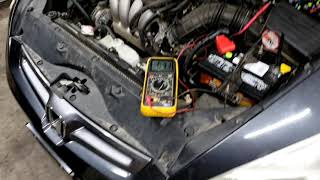
- Parasitic Battery Drain: This is one of the most common symptoms. An internal short or a stuck relay inside the MICU can draw power continuously even when the car is off, causing the battery to die overnight. Technicians often isolate this issue by pulling fuses one by one while measuring current draw at the battery. 🎬 Watch this step-by-step guide on finding a parasitic battery drain.
- Multiple, Unrelated Electrical Failures: You may suddenly experience a combination of problems, such as the power windows not working, the radio cutting out, and the interior lights flickering. This often points to a central module failure rather than individual component failures.
- No-Start with Blinking Green Key Light (2008-2012): As mentioned, this is a classic sign of MICU failure on 8th-gen models. The blinking light means the immobilizer system is not recognizing the key, a function managed by the MICU.
- Erratic Lights and Gauges: Headlights, taillights, or dashboard indicator lights may flicker, stay on, or not work at all. The instrument cluster gauges might behave erratically or stop working.
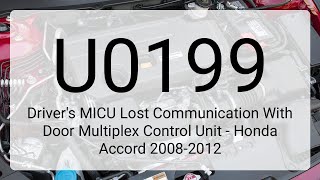
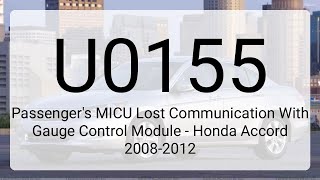
- Door Lock and Window Problems: Power locks may not respond to the key fob or the interior switch. Windows may become inoperative or lose their auto up/down function. 🎬 Watch: Troubleshooting MICU communication errors and door control issues.
Known Issues, Recalls, and Technical Service Bulletins (TSBs)

Recall: 2013-2016 Accord Battery Sensor (NHTSA #17V418000)
Honda recalled approximately 1.15 million Accords because the battery management sensor on the negative terminal was not properly sealed against moisture. Road salt could cause the sensor to short, creating a fire risk. The official fix involved replacing the sensor. Before diagnosing a fuse box issue on these models, verify this recall has been completed, as a faulty sensor can cause confusing electrical symptoms.
TSB 16-002 (2013-2016 V6 Models): This bulletin addresses a grinding or spinning noise during startup on V6 models. The cause is related to the starter, not the fuse box, but it can be misdiagnosed as an electrical relay problem. The fix involves replacing the starter.
Programming and Immobilizer Requirements

Warning: A replacement interior fuse box/MICU MUST be programmed to the vehicle. This is not a plug-and-play part.
The MICU is a core part of the vehicle's immobilizer and security system. If you install a used or new fuse box without programming, the car will not start. The programming procedure syncs the replacement module with your car's keys and the Engine Control Module (ECM).
This process requires a professional-grade diagnostic tool with Honda-specific software, such as the Honda Diagnostic System (HDS) used by dealers or high-end aftermarket scanners like some Autel models. Most DIY code readers cannot perform this function. You will need to have the vehicle towed to a dealership or a qualified independent shop that specializes in Honda electronics. Some mobile automotive locksmiths also have the necessary equipment to perform this programming on-site.
Buying a Used 2008-2017 Accord Fuse Box
Buying a used OEM fuse box can save you a significant amount of money, but it requires careful attention to detail to ensure you get the right part.
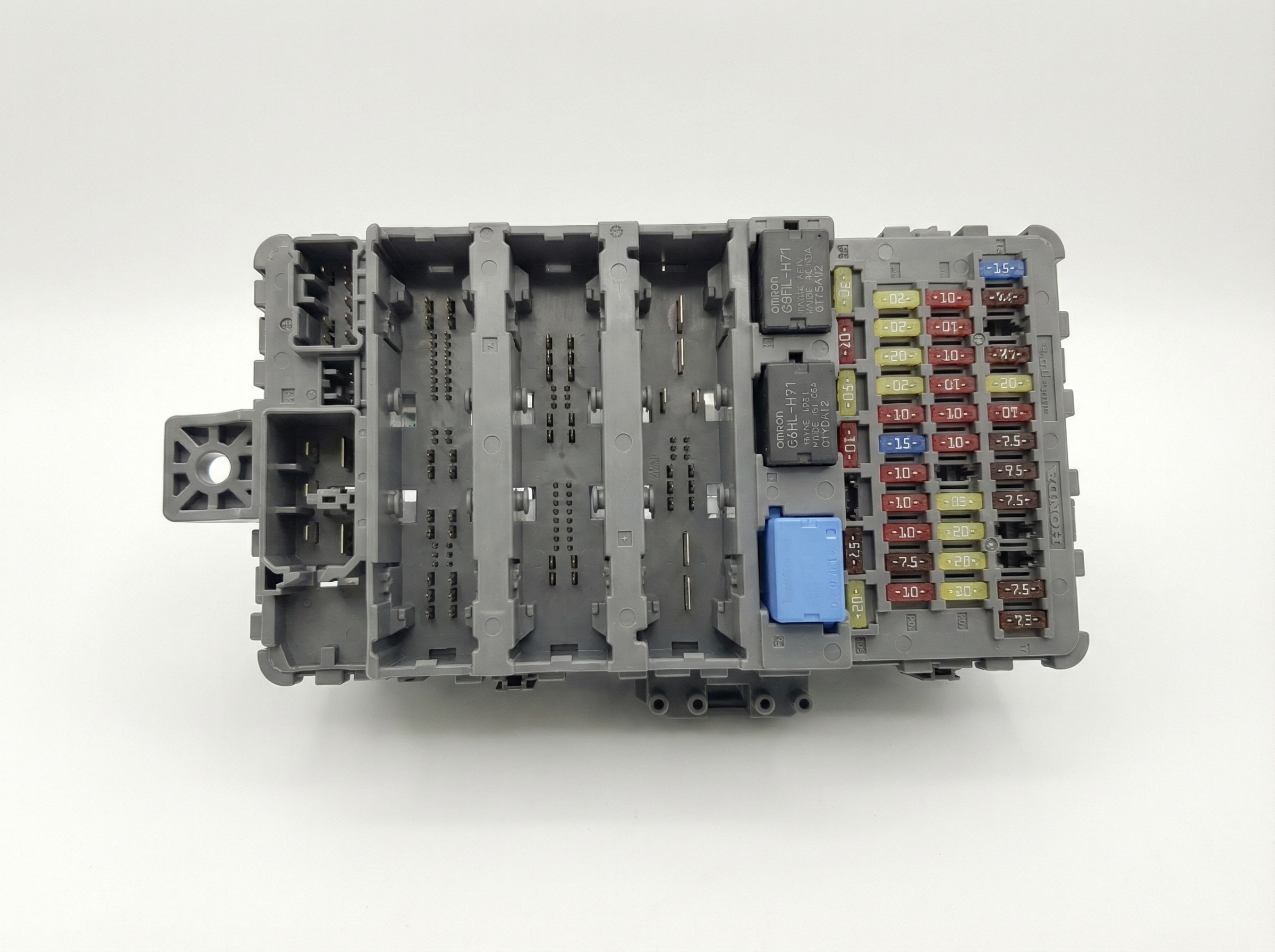
- Match the Part Number Exactly: This is the most important rule. Honda used many different fuse boxes depending on the vehicle's model year, engine (2.4L, 3.5L, 2.0L Hybrid), transmission (Automatic/CVT, Manual), and trim level (LX, Sport, EX, EX-L, Touring). The part number is printed on a sticker on the side of the fuse box. Do not purchase a part based on appearance alone; it must be an exact match.
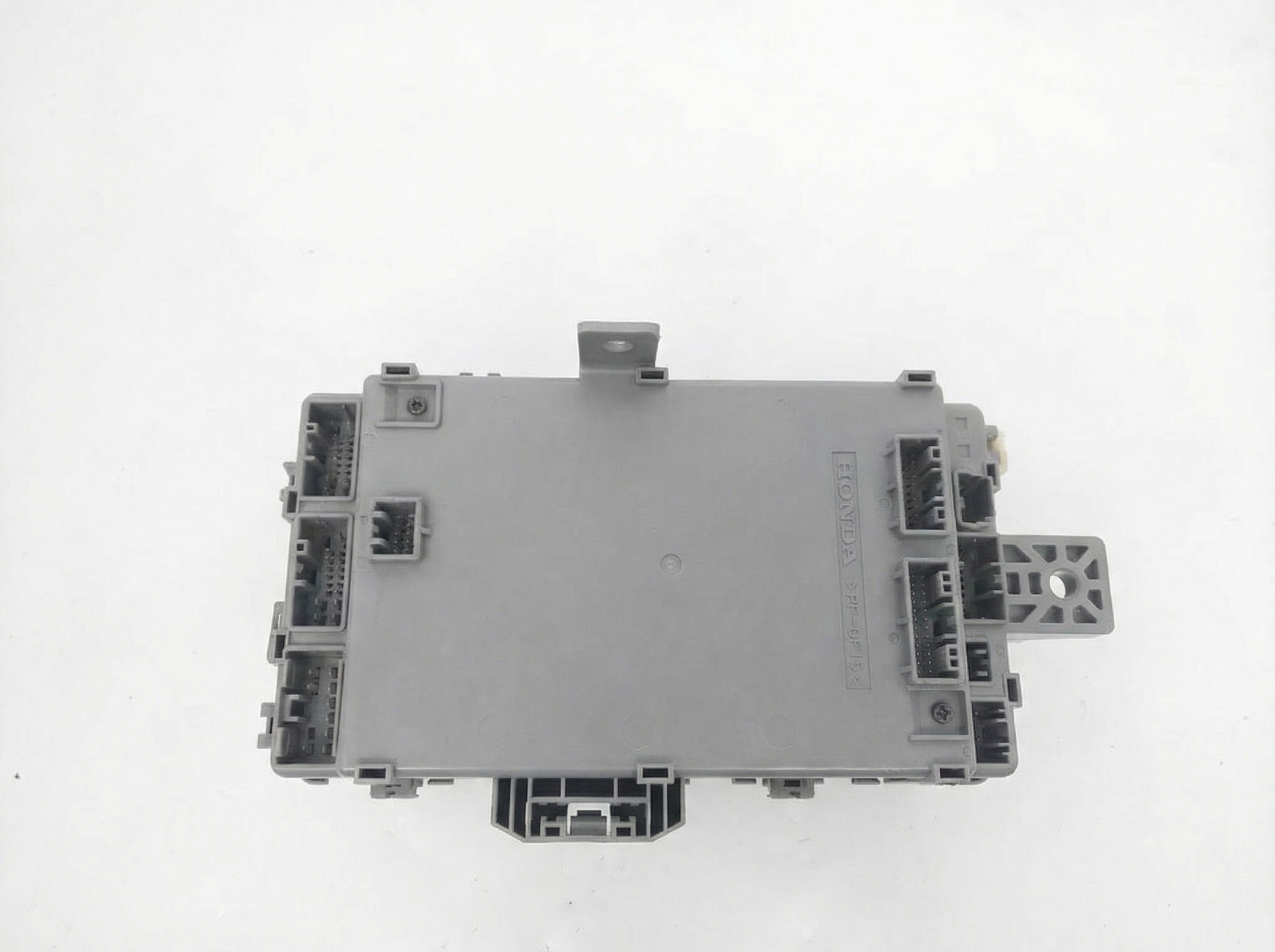
- Inspect for Corrosion: Carefully examine all the electrical pins and connectors on the back of the fuse box. Look for any signs of green or white crusty buildup, which indicates corrosion from water damage. A fuse box that has been exposed to moisture is likely to fail prematurely.
- Check for Physical Damage: Ensure the plastic casing is not cracked or broken and that all connector housings are intact. Avoid any units that look like they were removed forcefully.
- Source from a Reputable Seller: Purchase from a recycled parts seller that offers a warranty and can provide information about the donor vehicle. Knowing the donor vehicle's specs can help confirm compatibility.
Pro Tip: If you are replacing your fuse box because of water damage, you must find and fix the leak before installing the new part. Common leak points include clogged sunroof drains, a poorly sealed windshield, or degraded door seals. Failure to fix the leak will result in the failure of the replacement part.
Cost Breakdown
Prices can vary based on your specific part number and location. The following is an estimate of what you can expect to pay.
| Part Source | Estimated Cost |
|---|---|
| New OEM | $600 - $1,800+ |
| New Aftermarket | Not commonly available |
| Used OEM | $75 - $350 |
| Shop Labor (Installation & Programming) | $250 - $500 |
Frequently Asked Questions (FAQ)
Do I have to program a used Honda Accord fuse box?
Yes, absolutely. The interior fuse box (MICU) is part of the immobilizer system. Without programming the replacement unit to your car's keys and computer, the engine will not start. This requires specialized tools and should be done by a dealer or qualified independent shop.
Why is my battery dying overnight in my Accord?
One of the most common causes is a parasitic draw from a failing interior fuse box (MICU). An internal fault can cause a circuit to stay active when the car is off, draining the battery. Other causes can include a faulty Hands-Free Link module or an aftermarket accessory that is wired incorrectly.
Can I use a fuse box from a V6 Accord in my 4-cylinder model?
No. The fuse boxes are specific to the engine, transmission, and trim level because they control different features and wiring harnesses. You must match the part number from your original fuse box exactly.
Where is the interior fuse box located in a 2008-2017 Accord?
The main interior fuse box, which contains the MICU, is located under the dashboard on the driver's side, to the left of the steering column. There may also be a secondary fuse panel on the passenger's side in some 8th generation models.
Helpful Videos
Technical Specifications
OEM Part Numbers: 38200-T2A-A01 38200-T2A-A03 38200-T2A-A21 38200-TA0-A11 38200-TA0-A31 38200-TE0-A31 38200-TE0-A32
The interior fuse box is also known as the Multiplex Integrated Control Unit (MICU). It operates on the vehicle's 12V system and communicates with other modules via the Body Controller Area Network (B-CAN).
We Have This Part in Stock



The information in this article is provided for general reference and educational purposes only. Vehicle specifications, procedures, and part compatibility can vary by production date, trim level, and region. Always consult your vehicle's factory service manual and verify part numbers before purchasing or performing repairs. Safety-critical components such as airbags, seat belts, and braking systems should be installed by a qualified professional.
- Honda Accord:
- 🎬 Helpful Videos
- 🛍️ Shop This Part
- Key Differences: 8th Gen (2008-2012) vs. 9th Gen (2013-2017)
- 8th Generation (2008-2012)
- 9th Generation (2013-2017)
- Symptoms of a Failing Fuse Box / MICU
- Known Issues, Recalls, and Technical Service Bulletins (TSBs)
- Programming and Immobilizer Requirements
- Buying a Used 2008-2017 Accord Fuse Box
- Cost Breakdown
- Frequently Asked Questions (FAQ)
- 🎟️ Get 5% Off