

2003-2017 Honda Accord Fuse Box: Solving Electrical Gremlins and Tricky Compatibility
This guide covers the common failures, replacement costs, and critical part number details for the under-hood fuse box in the 2003-2017 Honda Accord.
- Compatibility is critical. You MUST match the OEM part number from your old fuse box exactly, as it varies by engine, transmission, trim, and body style.
- The under-hood fuse box requires NO programming. It is a direct swap, saving you a trip to the dealership.
- When buying a used unit, inspect it carefully for any signs of melting, burning, or corrosion on the terminals and connectors.
- A no-start condition on a 7th Gen (2003-2007) Accord, especially when hot, is often caused by the PGM-FI main relay, not the fuse box itself.
If your Honda Accord is suffering from strange electrical problems, a faulty under-hood fuse box might be the culprit. This component is more than just a plastic box holding fuses; it's a complex assembly that often includes a portion of the engine wiring harness. This guide covers the common symptoms, known issues across generations, and how to choose the correct used replacement part.
Important: Your Accord has two fuse boxes. One is inside the car, under the dashboard, and is often part of the Multiplex Integrated Control Unit (MICU). This guide focuses on the under-hood fuse box located in the engine bay, which is a more common source of major electrical failures requiring full component replacement.
Symptoms of a Failing Honda Accord Fuse Box

A problem with the under-hood fuse box often causes multiple, seemingly unrelated issues at once. Look for these common signs:
- Multiple Electrical Failures: The radio, interior lights, power windows, and headlights may stop working simultaneously or intermittently.
- No-Start or Stalling: If the fuse or relay for the fuel pump, ignition system, or starter fails within the box, the engine may crank but not start, or it could stall while driving.
- Melting or Burning: A strong burning plastic smell from the engine bay is a serious red flag. A visual inspection may reveal melted plastic around a specific fuse or relay socket, or discoloration on the box itself.
- Visible Corrosion: White or green crusty deposits on the terminals indicate water intrusion or moisture damage, which can cause poor connections and electrical shorts.
- Frequently Blowing Fuses: If a specific fuse blows repeatedly even after being replaced, it can indicate a short circuit within the fuse box's internal wiring.
Known Issues & Variant Differences by Generation

Compatibility for this part is extremely specific. Issues and fitment vary significantly across the three Accord generations covered here.
7th Generation (2003-2007)
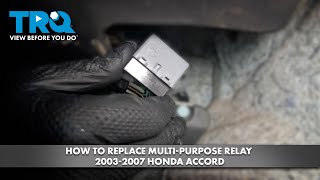
The most notorious issue on 7th generation Accords isn't the fuse box itself, but the PGM-FI Main Relay. This relay, which powers the fuel injection system and fuel pump, can develop cracked solder joints from heat and age. Symptoms are classic: the car cranks but won't start, especially when the interior is hot. Sometimes, 🎬 Watch: How to replace the multi-purpose relay on 7th Gen Accords waiting for it to cool down allows it to start again. While this relay is often located under the dash, its failure is frequently misdiagnosed as a fuse box or fuel pump problem.
8th Generation (2008-2012)
This generation has the most complex compatibility requirements. The under-hood fuse box is often sold as an assembly with a large portion of the engine wiring harness attached. The correct part depends on a combination of factors:
- Engine: 2.4L 4-cylinder and 3.5L V6 models use different fuse boxes.
- Transmission: Automatic and manual transmission vehicles have different wiring harnesses.
- Body Style: Coupe and Sedan models have unique wiring.
- Trim Level: LX, SE, and EX trims can have different features that require different wiring and fuse box configurations.
The part numbers provided in your vehicle's data, such as 32120-TA0-A00, are specific to this generation and highlight these variations. It is absolutely essential to match the part number from your original fuse box when ordering a replacement.
9th Generation (2013-2017)
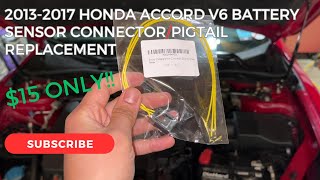
The 9th generation Accord appears to have fewer widespread issues with its under-hood fuse box. However, a related component that can cause electrical and starting problems is the battery sensor, which attaches to the negative battery terminal and connects to the fuse box assembly. A recall for this generation (NHTSA 13V-382) was related to engine pistons, not the electrical system. When diagnosing electrical issues, ensure the battery sensor and its connections are clean and secure.
🎬 Watch: How to replace a faulty 9th Gen battery sensor connectorPro Tip: On 8th and 9th generation Accords, communication error codes (like U0155, U1282, U0199) often point to a problem with the interior fuse box (MICU) or another control module, not the under-hood fuse box. If you see these codes, the under-hood box is likely not the cause.
Buying a Used Fuse Box: What to Look For

A used OEM fuse box is often a smart and cost-effective repair. Aftermarket versions are rare and can have quality control issues, while a new OEM unit can be very expensive. Here’s what to check when buying used.
1. Match the Part Number EXACTLY
This is the most important step. Due to the variations in engine, transmission, and trim, a fuse box from another Accord may look identical but will not work. Locate the part number on the sticker of your original fuse box and match it precisely. Do not 🎬 See this walkthrough on finding and changing under-hood fuses rely on visual comparison alone.
2. Perform a Physical Inspection
Before buying, carefully inspect the used unit for:
- No Melted Sockets: Check every fuse and relay slot for signs of overheating or melted plastic.
- No Corrosion: Look for any green or white powder on the pins and connectors. This indicates water damage and the part should be rejected.
- Intact Connectors: Ensure all plastic connector housings are free of cracks and that no pins are bent or pushed in.
- Complete Wiring: If the fuse box includes a wiring harness, make sure no wires have been cut and that all connectors are present and undamaged.
Replacement & Programming

Does the Fuse Box Need to be Programmed?
No. The under-hood fuse and relay box is a non-programmable component. It does not need to be flashed, coded, or programmed to the vehicle's VIN. Replacement is a direct swap. This is a major advantage of diagnosing the problem correctly, as it avoids an unnecessary trip to the dealer.
The interior fuse box (MICU), however, is a 'smart' module and replacing it can be more complex.
Replacement Overview
Replacing the under-hood fuse box is a feasible DIY job for those with basic mechanical skills.
- Disconnect the Battery: Always disconnect the negative battery terminal first to prevent electrical shorts.
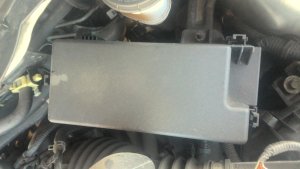
- Remove Covers and Bolts: Remove the fuse box lid and any plastic engine covers blocking access. Unbolt the fuse box from the vehicle's chassis.
- Unplug Connectors: Carefully disconnect all electrical connectors from the bottom and sides of the fuse box. These have locking tabs that must be pressed or lifted. Be patient to avoid breaking the old plastic.
- Swap the Unit: Install the new fuse box and reconnect everything in reverse order.
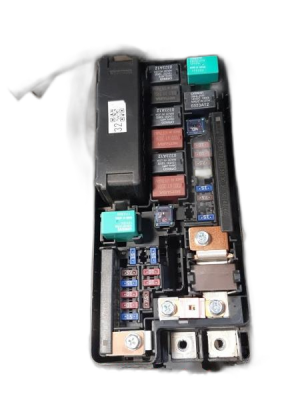
- Transfer Fuses/Relays: Your used fuse box may not come with all fuses and relays. You may need to transfer them from your old unit. It's a good idea to use the diagram on the lid to verify each one is in the correct spot with the correct rating.
Cost of Replacing a Honda Accord Fuse Box
Prices can vary significantly based on the specific part number and vehicle generation.
| Part/Service | Estimated Cost |
|---|---|
| New OEM | $250 - $650+ |
| New Aftermarket | $50 - $150 (Limited availability for full assemblies) |
| Used OEM | $50 - $200 |
| Shop Labor | $120 - $250 |
Frequently Asked Questions (FAQ)
Do I need to program a replacement fuse box?
No, the under-hood fuse and relay box for the 2003-2017 Honda Accord does not require any programming or dealer visit after installation. It is a direct-fit component.
My mechanic says the MICU is bad. Is that the same as the fuse box?
No. The MICU (Multiplex Integrated Control Unit) is part of the interior fuse box located under the dashboard. It is a computer that controls body functions. The under-hood fuse box is a separate part that primarily handles power distribution.
Will a fuse box from a V6 Accord fit my 4-cylinder?
No. The wiring harnesses and electrical loads are different. You must use a fuse box that matches your car's exact engine, transmission, and trim level. Always verify the OEM part number before purchasing.
Can I just repair a melted terminal in my old fuse box?
While technically possible for a skilled technician, it is not recommended. A melted terminal is a sign of a severe overload or short that has compromised the integrity of the entire box. The heat can make the surrounding plastic brittle and cause other internal connection failures. Replacing the entire fuse box assembly is the safest and most reliable repair.
Helpful Videos
Technical Specifications
OEM Part Numbers: 32120TA0A00 32120TA0A01 32120TA0A02 32120TA0A03 32120TA0A04 32120TA0A40 32120TA0A41 32120TA0A42 32120TA0A43 32120TA0A44 32120TA6A11 32120TA6A12 32120TA6A13 32120TE1A01 32200T2AA00
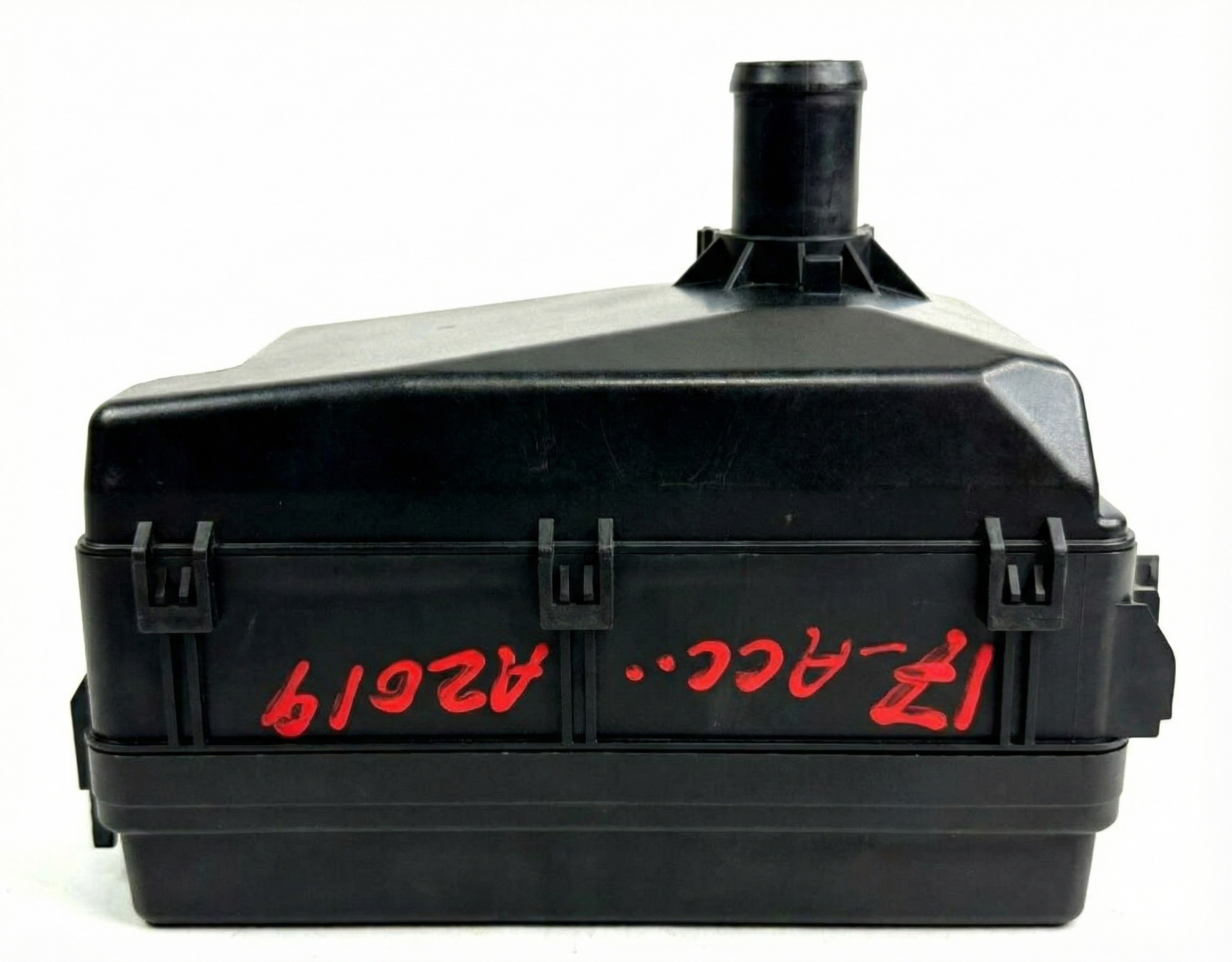
Varies by specific part number. Consists of a molded plastic housing containing multiple fuse and relay sockets, integrated wiring, and multi-pin connectors for vehicle harness attachment.
We Have This Part in Stock



The information in this article is provided for general reference and educational purposes only. Vehicle specifications, procedures, and part compatibility can vary by production date, trim level, and region. Always consult your vehicle's factory service manual and verify part numbers before purchasing or performing repairs. Safety-critical components such as airbags, seat belts, and braking systems should be installed by a qualified professional.
- Honda Accord:
- 🎬 Helpful Videos
- 🛍️ Shop This Part
- Symptoms of a Failing Honda Accord Fuse Box
- Known Issues & Variant Differences by Generation
- 7th Generation (2003-2007)
- 8th Generation (2008-2012)
- 9th Generation (2013-2017)
- Buying a Used Fuse Box: What to Look For
- 1. Match the Part Number EXACTLY
- 2. Perform a Physical Inspection
- Replacement & Programming
- Does the Fuse Box Need to be Programmed?
- Replacement Overview
- Cost of Replacing a Honda Accord Fuse Box
- Frequently Asked Questions (FAQ)
- 🎟️ Get 5% Off