

2010-2013 Silverado & Sierra Fuse Box: A Guide to Failures, Programming, and Replacement
This guide covers the common failures, symptoms, and critical programming requirements for the underhood fuse box in the 2010-2013 Chevrolet Silverado 1500, GMC Sierra 1500, 2011-2013 GMC Sierra Denali 1500, and 2010 GMC Sierra Denali.
- This fuse box REQUIRES programming to your truck's VIN to function correctly. It is not a plug-and-play part unless cloned from your original.
- The primary symptom of failure is multiple, random electrical issues occurring at once, such as a dead radio, faulty turn signals, and a no-start condition.
- Water intrusion and internal corrosion are common failure causes. Always inspect used parts for any signs of moisture damage or crusty deposits.
- Complete aftermarket replacements are not readily available, making a clean, corrosion-free used OEM part the most practical repair solution.
Symptoms of a Failing Fuse Box

A failing fuse box in a 2010-2013 Silverado or Sierra rarely causes a single, simple issue. Because it's the central hub for power, a problem here creates a ripple effect, leading to multiple, seemingly unrelated electrical gremlins. Many owners chase these symptoms for weeks, replacing batteries, alternators, and individual components before realizing the fuse box itself is the root cause.
- Multiple, Random Electrical Failures: This is the most common sign. You might experience the radio not turning on, power windows failing, and the turn signals acting up all at once.
- Crank-No-Start Condition: The engine may turn over but refuse to start because the fuse box is not correctly powering the fuel pump, ignition system, or ECM.
- Components Staying On with Truck Off: A well-documented symptom is a turn signal light remaining solidly lit even after the vehicle is turned off and locked, requiring the battery to be disconnected to prevent it from draining.
- Intermittent Problems: Issues may come and go with changes in temperature or vibration. A system might work one day and not the next.
- Flickering Lights and Gauges: The dashboard lights, headlights, or interior lights may flicker or dim randomly as internal connections in the fuse box fail.
- Burning Plastic Smell: A strong electrical burning smell from the engine bay is a critical warning. Upon inspection, you may find melted plastic around the base of a fuse or relay.
- Visible Corrosion: Popping the cover off may reveal white, green, or blue crusty deposits on the fuses, relays, or the box itself, indicating water or contaminant intrusion.
Known Issues, TSBs, and Recalls

While there has been no official recall for the fuse box itself on these specific models, its failures are a known issue within the owner and technician community. The problems often stem from two main causes: internal connection failures and external contamination.
Internal Failures
Over time, vibrations and heat cycles can cause the internal connections and solder joints on the fuse box's circuit board to crack or loosen. This creates intermittent open circuits, leading to the random electrical symptoms that are so difficult to diagnose. One moment a relay has power, the next it doesn't, causing systems to fail and then mysteriously work again.
Water Intrusion and Corrosion
These trucks can be susceptible to water leaks. General Motors issued Technical Service Bulletin (TSB) 13-08-57-001A for the 2007-2013 Silverado and Sierra, which details common water leak paths into the cabin. Leaks from the cowl area or A-pillar can allow water to drip onto electrical components, including the fuse box and its connectors. Once moisture gets in, it causes corrosion on the terminals and circuit board, creating resistance and short circuits that lead to failure. Rodent infestation can also be a cause; mice or other animals may build nests and their waste can contaminate and corrode the fuse box.
Compatibility Warning: This fuse box is for gasoline engine models only. It is not compatible with the 6.6L Duramax diesel engine. Additionally, verify if your vehicle has a single or dual battery system, as trucks with the auxiliary battery option may use a different setup. A recall (14V407) was issued for some HD trucks with auxiliary batteries for a wiring issue near the fuse box.
The Critical Step: Programming a Replacement Fuse Box

This is the single most important part of the replacement process. A replacement fuse box, whether new or used, MUST be programmed to your truck's specific Vehicle Identification Number (VIN). This is not an optional step. The fuse box is a 'smart' module that communicates with other computers in the truck. Programming configures the box for your vehicle's specific options, such as trim level, power seats, sunroof, and more. If you skip programming, you will experience incorrect behavior, such as features not working or warning lights on the dash.
You have three main options for programming:
- GM Dealership: This is the most straightforward, albeit often most expensive, option. A dealer has the required GM-specific diagnostic tools (like a Tech2 or GDS2) and access to the Service Programming System (SPS) software to correctly configure the new module.
- Qualified Independent Shop: Many independent repair shops have the tools and software subscriptions (e.g., AC Delco TDS) to perform GM module programming. You must call ahead and confirm they can program a new or used fuse box/BCM for your specific truck.
- Mail-In Cloning Service: This is an excellent option for the DIY mechanic. You purchase a compatible used fuse box, then send both your original (faulty) box and the replacement to a specialized service. They will 'clone' the data from your original module to the replacement for a fee, typically around $200. The replacement you receive back will be plug-and-play, requiring no further programming.
Buying a Used Fuse Box: What to Look For

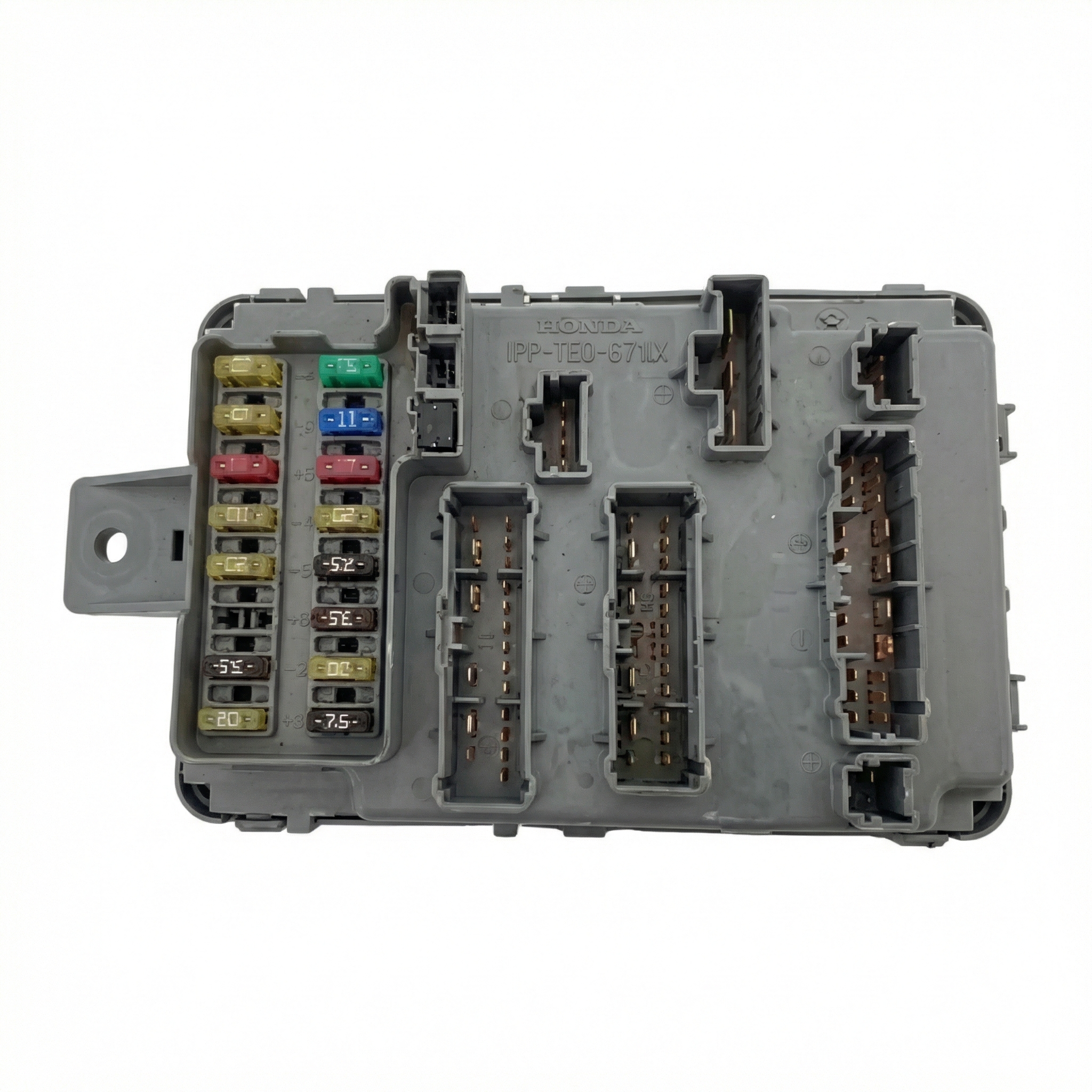
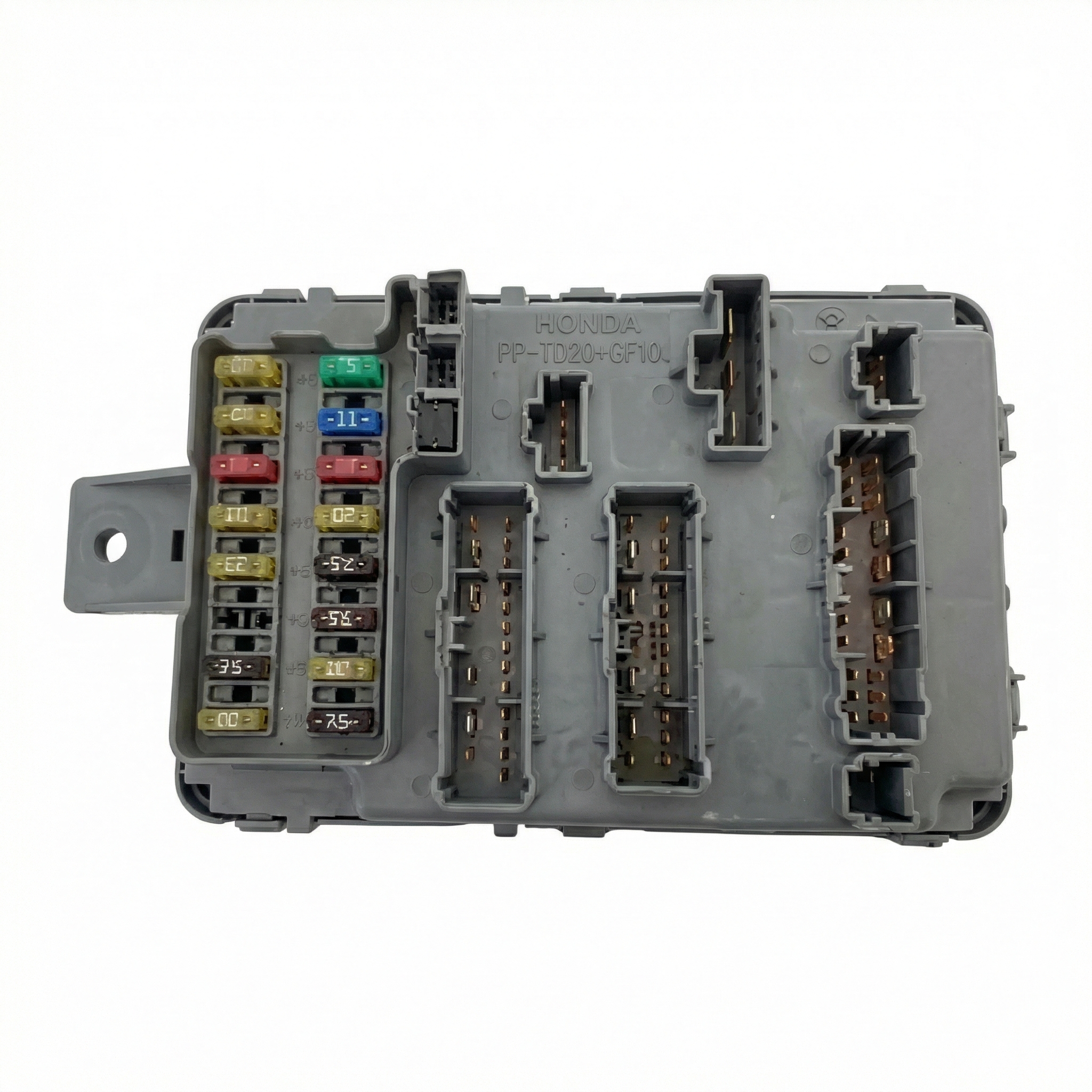
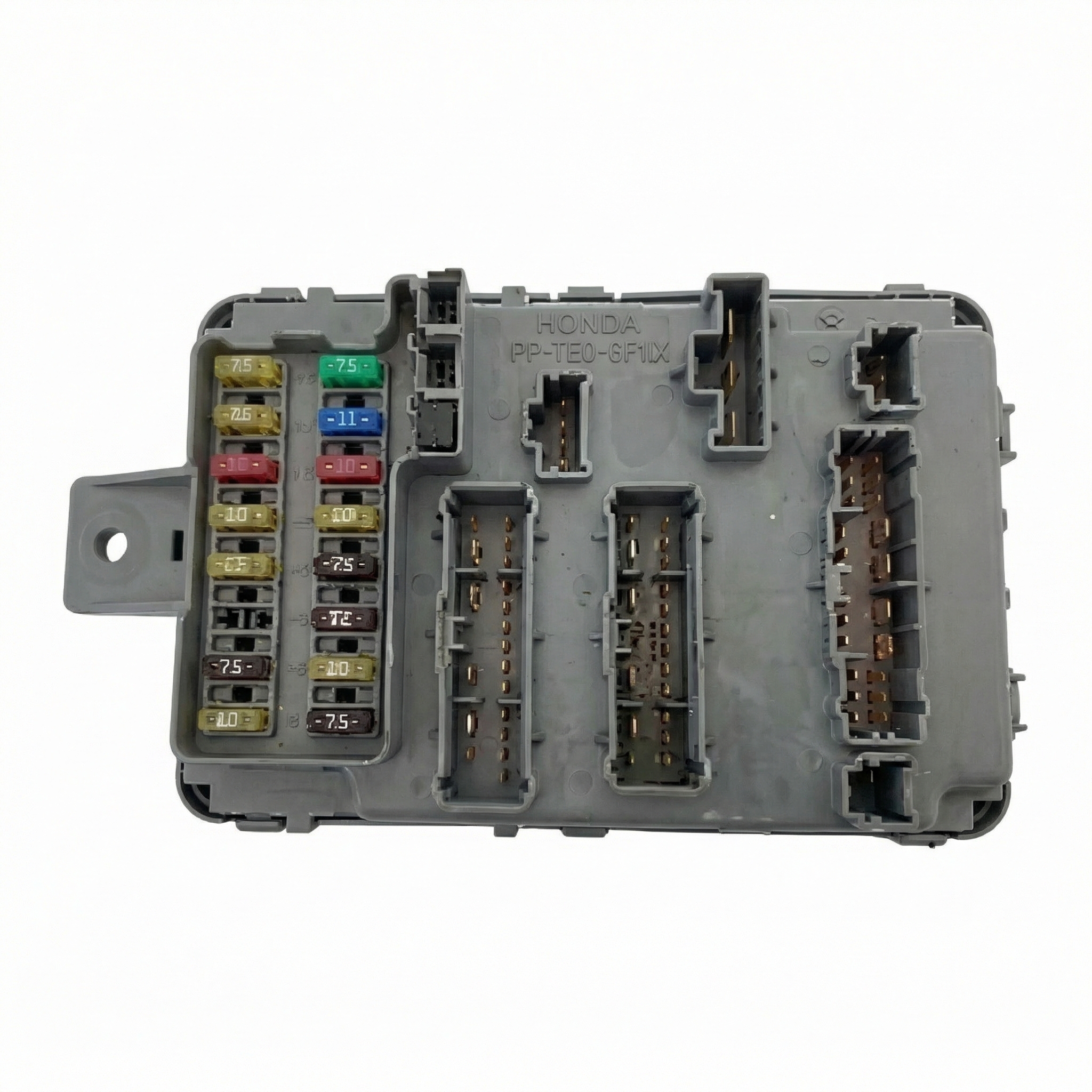
Since complete, direct-fit aftermarket replacements are not commonly available, a high-quality used OEM fuse box is often the best and most cost-effective solution. Here’s what to inspect:
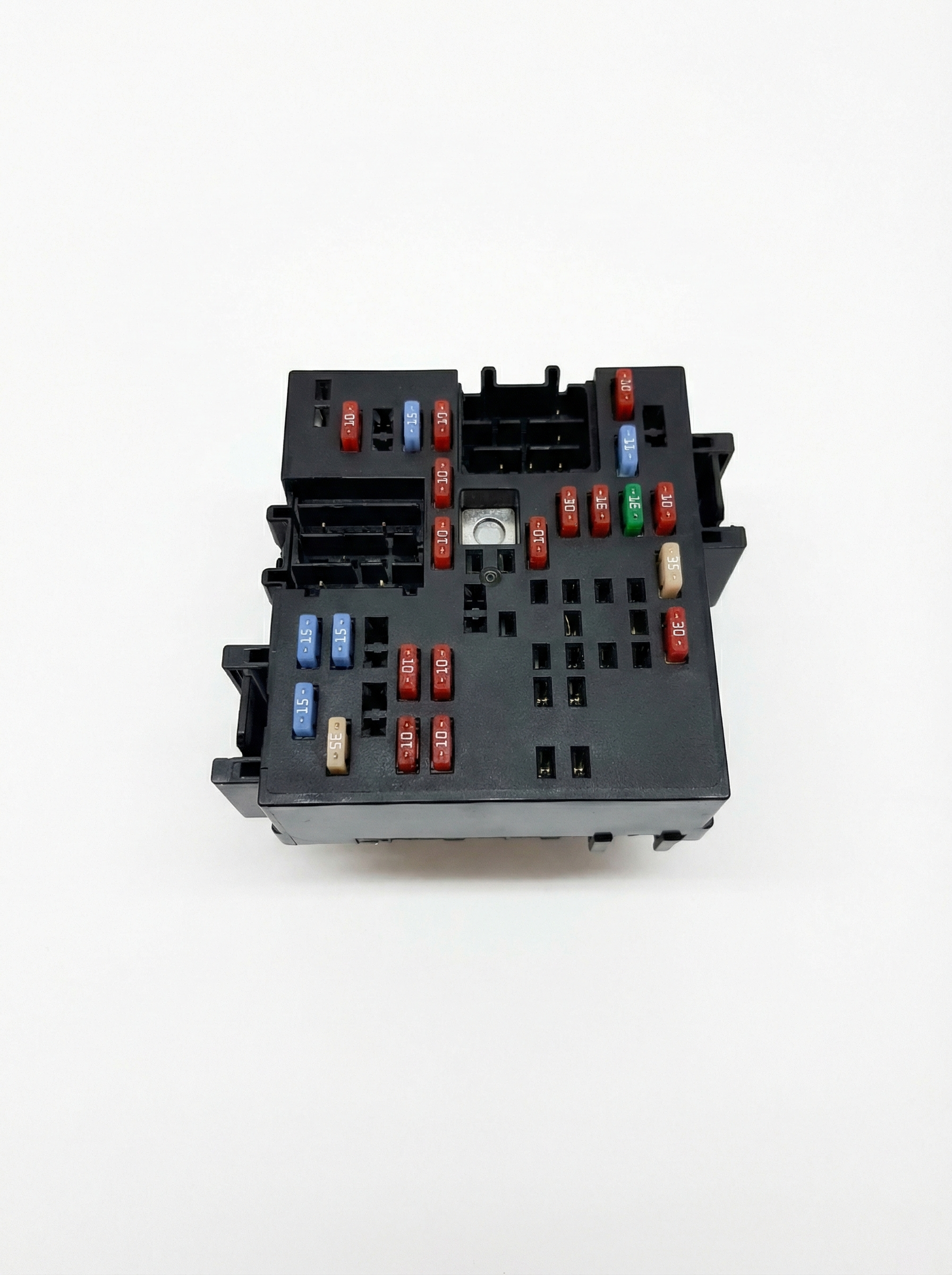
- Match the Part Number: This is essential. The most current part number is 22798215, which supersedes older numbers like 20978812 and 25941370. Ensure the part you are buying is the correct one for your vehicle.
- Inspect for Corrosion: This is the #1 red flag. Look at all photos carefully. Do not buy a fuse box with any signs of white or green crust on the terminals, pins, or circuit board. Ask the seller for pictures of the underside connectors if they are not shown.
- Check for Heat Damage: Look for any melted plastic around the fuse or relay sockets. This indicates a past major short circuit and means the box should be avoided.
- Look for Physical Damage: Check for cracks in the housing or broken connector tabs.
- Source Vehicle History: If possible, choose a part from a vehicle in a dry, rust-free climate. A part from a low-mileage truck in Arizona is a much safer bet than one from a high-mileage truck in the salt belt.
Cost Breakdown
| Item | Estimated Cost | Notes |
|---|---|---|
| New OEM Part | $400 - $450 | Part number 22798215. Must be programmed after installation. |
| New Aftermarket Part | Not Commonly Available | Complete, direct-fit replacements are not widely offered. |
| Used OEM Part | $75 - $175 | Price varies by condition and seller. Must be programmed. |
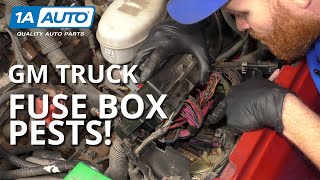
| Shop Labor (Physical Swap) | $100 - $200 | Estimated 1-1.5 hours of labor to physically replace the unit. | 🎬 Watch this walkthrough to see how to remove the fuse box.
| Shop Labor (Programming) | $175 - $250 | Cost for a dealer or independent shop to program the module to your VIN. |
| Mail-In Cloning Service | $150 - $200 | Service fee only; does not include the cost of the replacement part. |
Frequently Asked Questions (FAQ)
Does this fuse box really need to be programmed?
Yes, absolutely. The fuse box is a smart module tied to your vehicle's VIN and specific options. A replacement part must be programmed by a dealer or a properly equipped shop to function correctly. A DIY alternative is to use a mail-in cloning service.
Can I install a used fuse box myself and drive to the dealer for programming?
Maybe, but it is risky. Depending on how the unprogrammed module interacts with your truck, it may not start or may have critical systems (like brake lights or power steering) disabled, making it unsafe to drive. The safest plan is to have the vehicle towed or to use a mail-in cloning service which makes the part plug-and-play.
Why are my radio, turn signals, and windows all failing at once?
These components are all powered through the underhood fuse box. When the internal circuit board of the fuse box fails, it can cut power to multiple, unrelated systems simultaneously. This is a classic symptom of a failing fuse box rather than individual component failures.
Is there a recall for the fuse box on my 2010-2013 Silverado or Sierra?
No, there are no active recalls specifically for the underhood fuse box on these models. There are recalls for other items like airbags and ignition switches. The fuse box failures are considered a repairable service issue, not a safety recall campaign.
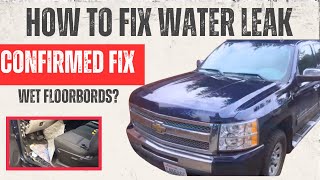
Helpful Videos
Technical Specifications
OEM Part Numbers: 22798215 20978812 25941370 25941374
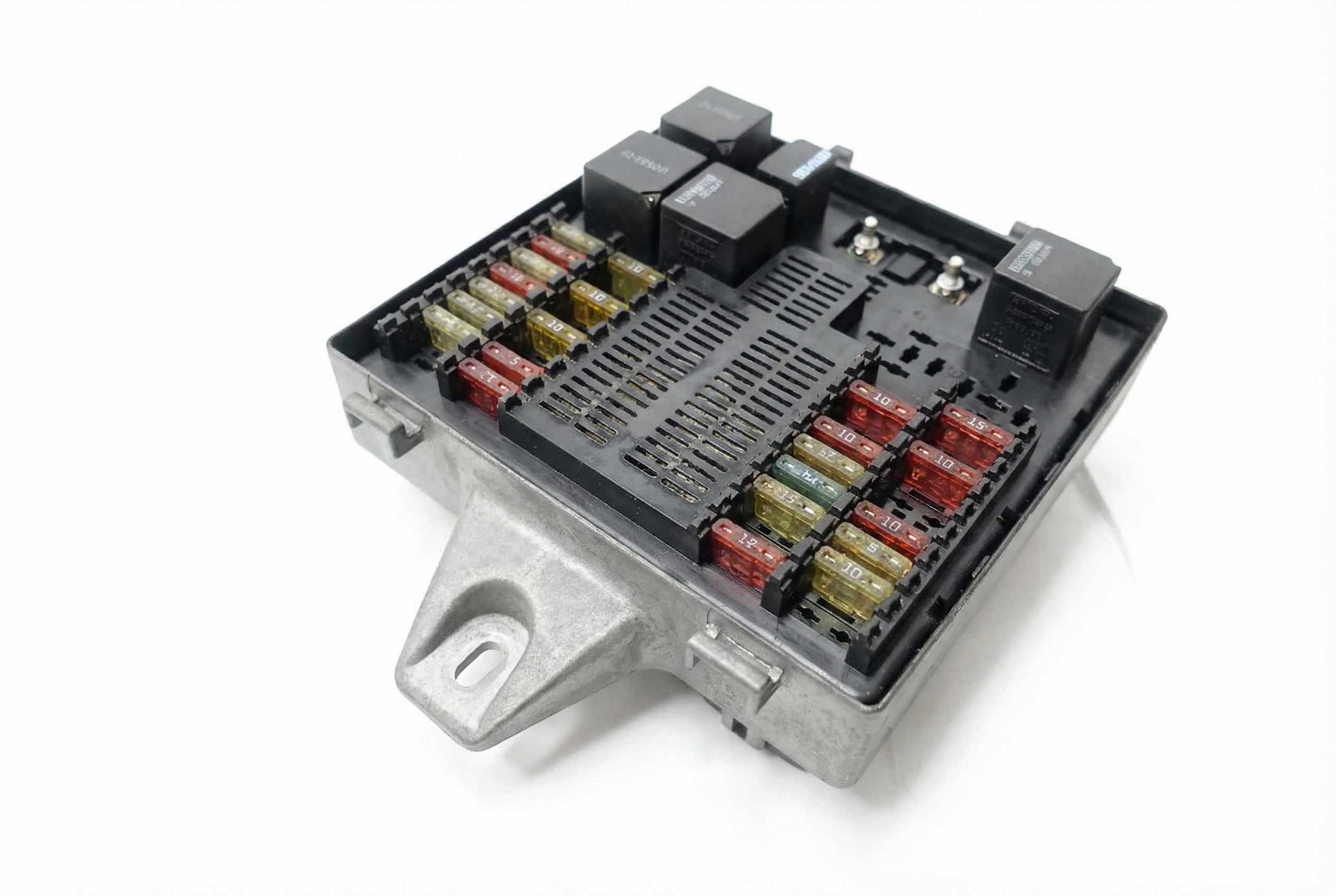
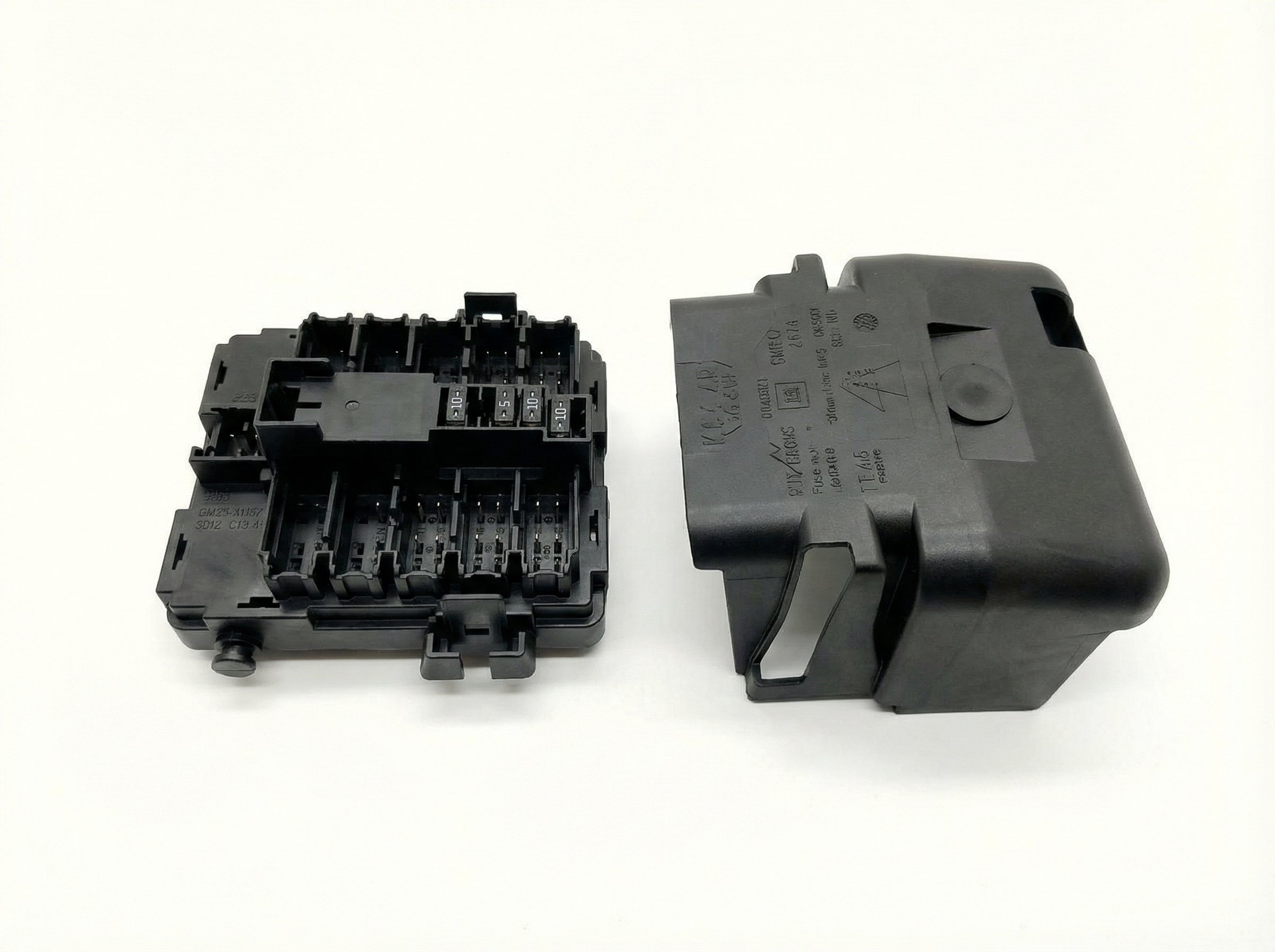
This is the underhood power distribution center, also known as the Engine Junction Block. It is specific to gasoline engines and requires vehicle-specific programming (VIN coding) upon installation.
We Have This Part in Stock

The information in this article is provided for general reference and educational purposes only. Vehicle specifications, procedures, and part compatibility can vary by production date, trim level, and region. Always consult your vehicle's factory service manual and verify part numbers before purchasing or performing repairs. Safety-critical components such as airbags, seat belts, and braking systems should be installed by a qualified professional.
- GMC Sierra 1500:
- Chevrolet Silverado 1500:
- GMC Sierra Denali 1500:
- GMC Sierra Denali:
- 🎬 Helpful Videos
- 🛍️ Shop This Part
- Symptoms of a Failing Fuse Box
- Known Issues, TSBs, and Recalls
- Internal Failures
- Water Intrusion and Corrosion
- The Critical Step: Programming a Replacement Fuse Box
- Buying a Used Fuse Box: What to Look For
- Cost Breakdown
- Frequently Asked Questions (FAQ)
- 🎟️ Get 5% Off