

2017-2019 Genesis G90 Fuse Box Guide: Recalls, Locations, and Replacement
This guide covers the three main fuse boxes in the 2017-2019 Genesis G90, including a critical fire-risk recall involving the engine bay unit.
- A critical fire-risk recall (NHTSA #24V107000) affects all 2017-2019 G90s and involves installing a relay kit in the engine fuse box. Ensure this has been done.
- The G90 has three fuse boxes (Engine, Dash, Trunk). You must match the part number from your original unit exactly.
- The trunk fuse box is plug-and-play (no programming needed), but the engine and dash fuse boxes will likely require dealer programming or configuration.
- A faulty fuse box can cause a wide array of issues, from a dead battery to multiple systems failing at once.
Understanding the Fuse Boxes in Your 2017-2019 Genesis G90


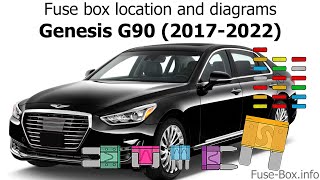
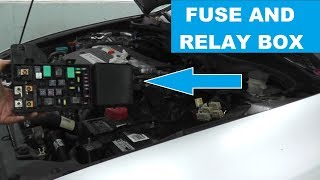
The Genesis G90 is equipped with three main fuse and relay centers, often referred to as Junction Blocks. 🎬 Watch: Locate and identify all three Genesis G90 fuse boxes. It is critical to identify which one you are working on, as they serve different functions and have different part numbers and replacement requirements.
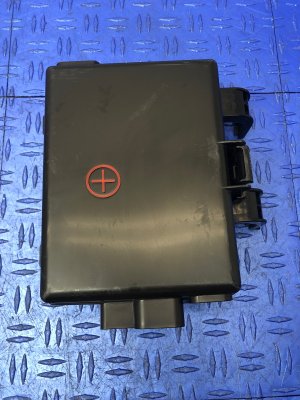
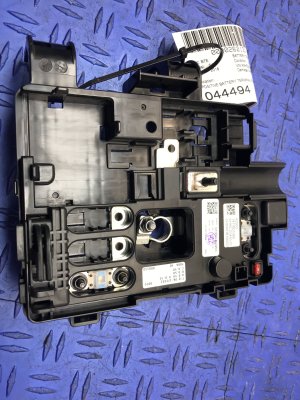
- Engine Compartment Fuse Box: Located under the hood, this is the main power distribution center for critical engine and chassis systems. This unit is the subject of a major safety recall.
- Instrument Panel Fuse Box: Located inside the cabin, typically behind a panel on the driver's side of the dashboard. It controls most interior electronics and accessories.
- Trunk Fuse Box / Rear Junction Block: Located in the trunk, often near the battery. It manages power for rear-body systems like the fuel pump, audio amplifier, and power trunk.
CRITICAL SAFETY RECALL: There is a significant safety recall (NHTSA Campaign #24V107000 🎬 See this video report on the Genesis fire risk recall.) for all 2017-2019 Genesis G90 vehicles. Water can get into the starter solenoid, which can cause an electrical short. This can lead to an engine compartment fire while the car is parked or being driven. The official remedy involves a Genesis dealer installing a special relay kit inside the engine compartment fuse box. Owners are advised to park their vehicles outside and away from structures until this free repair is completed.
Symptoms of a Failing Fuse Box

A problem with a fuse box can cause a wide range of confusing electrical issues. Symptoms often depend on which of the three fuse boxes is failing.
- Multiple Unrelated System Failures: The most common sign. For example, the radio, power windows, and interior lights might stop working at the same time. This points to a fault in the instrument panel fuse box.
- Parasitic Battery Drain: If your battery dies overnight or after a few days of sitting, an internal short or stuck relay within a fuse box could be the cause. This is a known symptom of a failing trunk junction block. 🎬 Learn how to diagnose a parasitic draw draining your battery.
- No-Start Condition: If the fuse box that powers the fuel pump or engine computer fails, the car may crank but will not start.
- Specific Components Not Working: A single non-functional component (like a headlight or power seat) could be a simple blown fuse, but if replacing the fuse doesn't solve the problem, the fault may lie within the fuse box's internal circuitry.
- Visible Damage: Look for melted plastic around fuses or relays, and check for any signs of corrosion from water intrusion, especially in the engine compartment unit.
- Burning Smell or Smoke: A burning plastic or electrical smell, or smoke from under the hood or dash, is a critical symptom. This was noted as a potential warning for the starter solenoid recall issue. Stop driving the vehicle immediately.
OBD-II codes may not always point directly to a bad fuse box. Instead, you might see communication errors (U-codes) or codes for multiple other modules that have lost power.
Buying a Used Fuse Box: What You Must Know

Given the high cost of new OEM fuse boxes, a used unit is a great value. However, compatibility is everything. Follow these rules to ensure you get the right part.
1. Match the Part Number EXACTLY
This is the most important rule. Do not buy a fuse box based on the vehicle's year and model alone. You must physically inspect the original part in your vehicle and match the OEM part number on it to the number on the used part you are buying. Even a one-digit difference can mean it won't work with your car's specific options.
| Location | Known Part Numbers (2017-2019) | Notes |
|---|---|---|
| Engine Compartment | 91222-D2411, 91222-D2412 | Main power distribution. Subject to fire risk recall. May require programming. |
| Instrument Panel (Dash) | 91950-D2230 | Controls interior electronics. Likely requires programming/configuration. |
| Trunk (Rear) | 91950-D2310 | Controls rear systems. No programming required. |
| Wiring Harness Assembly | 91440-D2020 | This is a larger wiring harness that may include the engine fuse box. Be cautious if a seller lists the fuse box under this number, as you may only receive the box, not the full harness required by some dealer procedures. |
2. Programming & Installation Requirements
The need for programming depends on the fuse box's location:
- Trunk Fuse Box: This is a simple, non-intelligent part. It is plug-and-play and does not require any programming. This makes it an ideal candidate for easy DIY replacement.
- Engine & Instrument Panel Fuse Boxes: These are complex, 'smart' modules that communicate with the rest of the vehicle. While there is no definitive OEM document confirming it, the evidence strongly suggests that a replacement will likely require programming or variant coding with a dealer-level scan tool. Without this step, you may experience issues like features not working or warning lights on the dash. You should assume a trip to a dealer or a specialized independent shop will be necessary after physical installation.
Pro Tip: Before swapping any fuse box, disconnect the vehicle's battery to prevent electrical shorts and protect the sensitive electronics.
3. Physical Inspection
When your used part arrives, inspect it carefully before installation. Look for:
- No Corrosion: Check all pins and connectors for any green or white crust, which indicates water damage.
- No Melted Plastic: Any sign of melting means the unit has overheated and is unsafe to use.
- Intact Connectors: Ensure none of the plastic connector housings are cracked or broken from removal.
Cost of Replacing a Genesis G90 Fuse Box
| Part/Service | Estimated Cost |
|---|---|
| New OEM Fuse Box (Dealer) | $600 - $900+ |
| Used OEM Fuse Box | $100 - $250 |
| Shop Labor (Replacement) | $150 - $350 |
| Shop Labor (Programming) | $100 - $200 (if required) |
Costs are estimates and will vary by location and which fuse box is being replaced. The engine and dash units will have higher labor costs than the trunk unit.
Frequently Asked Questions (FAQ)
Does a replacement fuse box need to be programmed?
It depends on the location. The trunk fuse box (rear junction block) does NOT need programming. However, for the main engine compartment and instrument panel fuse boxes, you should expect that programming or configuration by a dealer will be necessary to ensure all vehicle functions work correctly.
My battery keeps dying. Could it be the fuse box?
Yes, it's possible. A faulty fuse box, particularly the rear junction block in the trunk, can have an internal short that creates a parasitic draw and drains the battery when the car is off. However, a parasitic drain can also be caused by a bad alternator, battery, or another module, so proper diagnosis is essential before replacing parts.
Can I just replace a bad relay inside the fuse box?
On many modern fuse boxes, including those in the G90, many relays are soldered directly to the internal circuit board and are not designed to be serviced individually. If one of these integrated relays fails, the entire fuse box assembly must be replaced.
Is the starter solenoid recall related to the fuse box?
Yes. While the root cause is a faulty starter solenoid that can short out, the official fix from Genesis involves installing a new relay kit directly into the engine compartment fuse box to protect the circuit. If you are experiencing electrical issues, a top priority should be to check with a Genesis dealer to see if your vehicle has had this free recall service performed.
Helpful Videos


Technical Specifications
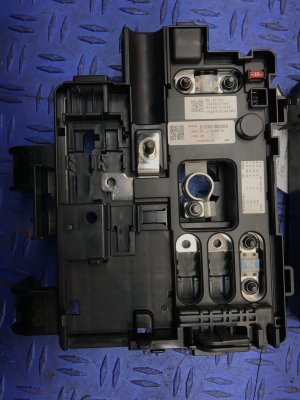
OEM Part Numbers: 91222-D2411 91222-D2412 91440D2020 91950-D2230 91950-D2310
The Genesis G90 uses three primary fuse/relay centers, also known as Junction Blocks, located in the engine bay, driver's side instrument panel, and trunk.
We Have This Part in Stock




The information in this article is provided for general reference and educational purposes only. Vehicle specifications, procedures, and part compatibility can vary by production date, trim level, and region. Always consult your vehicle's factory service manual and verify part numbers before purchasing or performing repairs. Safety-critical components such as airbags, seat belts, and braking systems should be installed by a qualified professional.
- Genesis G90:
- 🎬 Helpful Videos
- 🛍️ Shop This Part
- Understanding the Fuse Boxes in Your 2017-2019 Genesis G90
- Symptoms of a Failing Fuse Box
- Buying a Used Fuse Box: What You Must Know
- 1. Match the Part Number EXACTLY
- 2. Programming & Installation Requirements
- 3. Physical Inspection
- Cost of Replacing a Genesis G90 Fuse Box
- Frequently Asked Questions (FAQ)
- 🎟️ Get 5% Off