

2004-2011 Ford Ranger Fuse Box: Solving Water Leaks and Electrical Failures
A detailed guide to diagnosing, replacing, and preventing common failures in your Ranger's engine compartment fuse box, which are frequently caused by water intrusion.
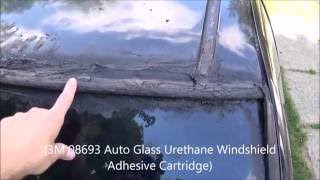
- The #1 cause of fuse box failure is water leaking from a bad windshield seal, dripping directly onto the unit and causing corrosion.
- Compatibility is critical: fuse boxes for 2.3L engines are different from V6 models and are not interchangeable.
- No programming is required for a replacement fuse box; it is a plug-and-play installation.
- When buying a used unit, demand clear pictures of the connectors on the bottom to ensure there is zero corrosion.
Primary Cause of Failure: Windshield and Cowl Leaks

The single most common reason for fuse box failure in the 2004-2011 Ford Ranger is water intrusion. A poorly sealed windshield or a clogged cowl drain can allow rainwater 🎬 Watch: How to clean your Ford Ranger cowl drains to drip directly onto the top of the fuse box. Over time, this moisture seeps inside, causing corrosion on the internal circuit board, fuse terminals, and relay sockets. This corrosion creates poor connections and electrical shorts, leading to a host of problems. In many cases, the Generic Electronic Module (GEM), which is often mounted to the fuse box, also suffers water damage, compounding the issues.
Symptoms of a Failing Fuse Box

Because the fuse box controls so many different circuits, symptoms can be varied and often appear unrelated. Look for these common signs:
- No-Start or Cranks But Won't Start: This is frequently caused by corrosion at the fuel pump relay socket, preventing the fuel pump from turning on. 🎬 Watch: Diagnose and fix a Ranger engine crank, no-start issue You may hear the engine crank but it will never start.
- Erratic Interior/Exterior Lights: Dome lights that won't turn off, headlights or turn signals that don't work, or lights that flash randomly can all be traced back to a faulty fuse box or a water-damaged GEM module.
- Rapid Clicking from the Dash: A fast clicking sound, sometimes even with the key out of the ignition, often indicates a stuck or failing relay inside the fuse box due to corrosion or an internal short.
- Complete Loss of Power to Certain Systems: The radio, power windows, or windshield wipers may suddenly stop working.
- Visible Corrosion: A clear sign of trouble is visible green or white crusty deposits on the fuses, relays, or the connectors on the underside of the fuse box.
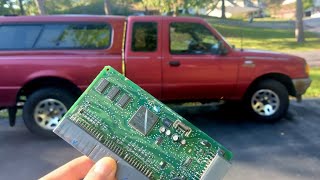
Pro Tip: Many strange electrical issues on these trucks, like the dome light staying on or the radio acting up, are classic signs of a water-damaged GEM module, which is directly connected to the fuse box. 🎬 See this walkthrough on how to replace a GEM module The root cause is almost always a water leak that must be fixed.
Buying a Used 2004-2011 Ranger Fuse Box: What to Look For

A used OEM fuse box is an excellent, cost-effective solution, but careful inspection is crucial to avoid buying a part with the same problems you're trying to fix.
- Verify Engine Size Compatibility: This is the most important step. Fuse boxes for the 2.3L 4-cylinder engine are different from those for the 3.0L and 4.0L V6 engines. They are not interchangeable. Always confirm the engine size of the donor vehicle matches yours.
- Match the Part Number: While there are several compatible part numbers, it's best practice to match the number on your original fuse box to the used replacement. This ensures all options and circuits are correct for your specific truck.
- Perform a Thorough Physical Inspection:
- Check for Corrosion: Ask the seller for clear, well-lit photos of all sides of the fuse box, especially the large connectors on the bottom. Do not buy a fuse box with any signs of green or white powder (corrosion).
- Inspect the Cover: Ensure the top cover is included and not cracked. A good seal is essential to prevent future water damage.
- Examine the Pins: Look at the male pins on the fuse box itself. They should be straight, clean, and shiny. Any bent or corroded pins are a major red flag.
- Why Used OEM is a Smart Choice: A clean, dry, used OEM fuse box is often more reliable than a new, cheap aftermarket unit. The OEM boards and relays were built to Ford's specifications. As long as the unit has been protected from water, it provides original-equipment quality at a significant discount.
Warning: Do not purchase a fuse box that shows any signs of water damage or corrosion, even if it's minor. The damage is often internal and cannot be easily repaired. You will likely end up with the same electrical problems.
Programming and Installation
For the 2004-2011 Ford Ranger, the engine compartment fuse box (Battery Junction Box) is typically a plug-and-play component. No programming or flashing is required for the fuse box itself.
However, the Ranger uses a PATS (Passive Anti-Theft System) with a transponder chip in the key. While the fuse box replacement itself does not require key reprogramming, if you lose your original keys or have other PATS-related issues, you may need a locksmith or dealer. You can program a new key yourself only if you already have two existing, working keys.
Replacement Overview
- Disconnect the negative battery terminal.
- Remove the fuse box cover.
- Disconnect the upper electrical connectors.
- Unscrew the mounting bolt(s) holding the fuse box to its bracket.
- Carefully lift the box and release the large locking levers on the main connectors underneath. Disconnect them.
- Transfer all fuses and relays from your old box to the new one, checking each fuse as you go.
- Installation is the reverse of removal. Apply a small amount of dielectric grease to the connector pins to help prevent future moisture problems.
Known Issues, TSBs, and Recalls
While there are no specific recalls for the fuse box itself on 2004-2011 Rangers, several related issues are documented:
- Windshield Leaks: Ford has been aware of issues with windshield seals leading to water intrusion that damages the GEM and fuse box. This is the primary known issue.
- Recall 11C18: This recall was for a faulty multi-function switch (turn signal stalk) that could cause exterior lights to fail. While not a fuse box issue, the symptoms could be confused with a fuse box problem.
- Airbag Recalls: Numerous recalls were issued for Takata airbag inflators in this generation of Ranger. These are unrelated to fuse box function but are important safety items to check.
Cost Comparison
| Part Type | Estimated Cost |
|---|---|
| New OEM | $350 - $500+ (if available) |
| New Aftermarket (Dorman) | $250 - $400 |
| Used OEM | $75 - $200 |
| Shop Labor | $100 - $200 |
Frequently Asked Questions (FAQ)
Does a replacement fuse box for a 2004-2011 Ranger need to be programmed?
No, the engine compartment fuse box itself does not require any programming or flashing. It is a plug-and-play part, provided you have the correct one for your truck's engine size.
What's the difference between the fuse box in the engine bay and the one in the cab?
This guide refers to the main Power Distribution Box (or Battery Junction Box) in the engine compartment. This is where the main relays and high-amperage fuses are located. There is also a smaller fuse panel inside the passenger compartment, usually behind a kick panel, for lower-amperage interior circuits. Most major electrical failures are traced to the engine bay unit.
Can I just clean the corrosion off my old fuse box?
While you can try cleaning minor corrosion on the external terminals as a temporary measure, it is generally not a permanent fix. The water damage usually affects the internal layers of the circuit board, which cannot be repaired. Replacing the unit and fixing the water leak is the only reliable solution.
Why won't my fuel pump turn on?
On these Rangers, a common failure point is the fuel pump relay or its socket within the fuse box. Water damage can corrode the contacts, preventing power from reaching the pump. Before replacing the pump, always check the relay and its connections in the fuse box. You can try swapping the fuel pump relay with an identical one (like the horn or wiper relay) to see if the problem moves.
Part Numbers
Compatibility is critical. Always verify by engine size and, if possible, by matching the part number from your original unit. The main assembly part number is often on a sticker on the side of the housing.
| Part Number | Notes |
|---|---|
| 7L5Z-14A068-BA | Commonly cited for 2.3L engines. Includes circuit board and covers. |
| 7L5Z-14A068-AA | Associated with V6 models. |
| 1L5Z14A003AC, 1L5Z14A003DA | Older or component-level numbers. |
| 2L5Z14A003AA | Older or component-level numbers. |
This list is not exhaustive. Part numbers can supersede over time. Physical verification and matching by engine size are the most reliable methods.
Helpful Videos
Technical Specifications
OEM Part Numbers: 1L5Z14A003AC 1L5Z14A003DA 1L5Z14A068DA 1L5Z14A068EA 1L5Z14A254BA 2L5Z14A003AA 7L5Z-14A068-BA 7L5Z14A068AA 7L5Z14A068BA
Houses blade-type fuses (Mini, ATO), and various 4-pin and 5-pin micro/mini relays. Differentiated internally based on engine (2.3L I4 vs 3.0L/4.0L V6).
We Have This Part in Stock



The information in this article is provided for general reference and educational purposes only. Vehicle specifications, procedures, and part compatibility can vary by production date, trim level, and region. Always consult your vehicle's factory service manual and verify part numbers before purchasing or performing repairs. Safety-critical components such as airbags, seat belts, and braking systems should be installed by a qualified professional.
- Ford Ranger:
- 🎬 Helpful Videos
- 🛍️ Shop This Part
- Primary Cause of Failure: Windshield and Cowl Leaks
- Symptoms of a Failing Fuse Box
- Buying a Used 2004-2011 Ranger Fuse Box: What to Look For
- Programming and Installation
- Replacement Overview
- Known Issues, TSBs, and Recalls
- Cost Comparison
- Frequently Asked Questions (FAQ)
- Part Numbers
- 🎟️ Get 5% Off