

2012-2019 Mustang Fuse Box & BCM Guide: Solving Electrical Gremlins
This guide covers the critical differences between the fuse boxes in 2012-2014 and 2015-2019 Mustangs, focusing on common failures, programming requirements, and how to buy a reliable used part.
- The interior fuse box on 2015-2019 Mustangs is part of the Body Control Module (BCM) and absolutely requires programming after installation.
- For 2012-2014 models, the most common failure is water damage to the Smart Junction Box (SJB) in the passenger footwell from clogged cowl drains.
- You must match the OEM part number exactly when buying a used replacement, as they are specific to engine, trim, and options.
- Symptoms of failure are often bizarre and widespread, affecting multiple unrelated electrical systems at once.
Generation Differences: S197 (2012-2014) vs. S550 (2015-2019)

The 2012-2019 model years span two distinct Mustang generations, each with a different electrical architecture. Failure to understand these differences is the most common mistake buyers make.
2012-2014 (S197 Platform)
These models use a two-part system:
- Battery Junction Box (BJB): Located in the engine bay, this is the main power distribution center. It's a relatively simple component, and replacement is typically straightforward.
- Smart Junction Box (SJB): Located in the passenger-side kick panel, this module controls interior electronics. It is susceptible to water damage from a common cowl or A-pillar leak. While less complex than the later BCM, a replacement SJB may still require configuration at a dealership to ensure all vehicle options work correctly.
2015-2019 (S550 Platform)
The S550 platform integrated the interior fuse panel with the main body computer.
- Battery Junction Box (BJB): Similar to the S197, this is located under the hood for high-power distribution.
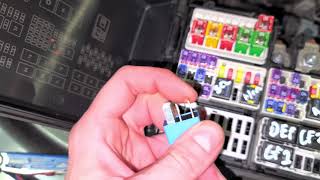
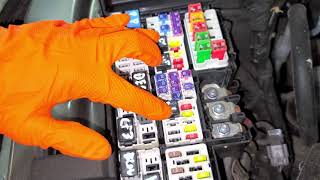
- Body Control Module (BCM): This is the vehicle's electronic brain, located in the passenger footwell behind a kick panel. It manages almost 🎬 See this walkthrough on accessing the S550 fuse panel and relays. everything that isn't the engine or transmission. A replacement BCM absolutely requires programming to your vehicle's specific VIN and options. The car will not start or function correctly without this step.
Symptoms of a Failing Mustang Fuse Box or BCM

A failing fuse box or BCM can cause some of the most confusing and frustrating electrical problems. Symptoms often appear random and can affect multiple, unrelated systems at once.
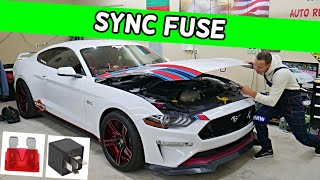
- Multiple Electrical Failures: Power windows, locks, interior/exterior lights, wipers, and the radio 🎬 Watch: How to locate the SYNC radio fuse on 2015-2019 models. may work intermittently or not at all.
- No-Start or No-Crank Condition: The BCM is tied into the security and ignition systems. A failure can prevent the engine from starting even with a good battery and starter.
- Parasitic Battery Drain: A faulty module can fail to shut down certain circuits when the car is off, leading to a dead battery overnight.
- Erratic Dashboard Warning Lights: You may see multiple warning lights (ABS, Airbag, Traction Control) illuminate for no apparent reason.
- Visible Damage: Obvious signs include melted plastic around fuses or relays, or a white, chalky corrosion indicating water intrusion.
Warning: For 2012-2014 models, a wet passenger-side floorboard is a major red flag. This is a well-documented sign of a water leak that will destroy the Smart Junction Box (SJB). The leak must be repaired before replacing the module.
Known Issues, Recalls, and Technical Service Bulletins (TSBs)

While no widespread recalls target the fuse box or BCM directly for all years, several TSBs and related issues exist.
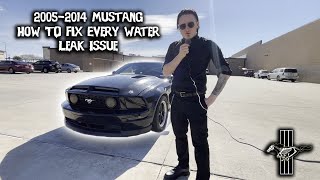
- Water Intrusion (S197): The most common failure for 2012-2014 models is water damage to the Smart Junction Box. This is caused by clogged cowl drains or failing body seams under the windshield. 🎬 Watch: How to find and fix every common Mustang water leak.
- Wiring Harness Issues (S550): Some 2015-2017 Mustangs were subject to a TSB (18-2362) and a class-action lawsuit regarding a defective trunk lid wiring harness that could affect the backup camera. While not a fuse box issue directly, it highlights the sensitivity of the S550's electrical systems.
- Software Updates: Newer models have had recalls requiring BCM software updates for issues related to brake fluid level warnings or instrument cluster displays. This underscores the importance of software in the S550 platform.
Programming and Calibration: The #1 Buyer Question
This is the most critical information for anyone buying a replacement module.
- 2012-2014 S197: The underhood Battery Junction Box is typically a direct swap with no programming needed. The interior Smart Junction Box (SJB) may require a dealer visit for configuration to enable all specific vehicle options.
- 2015-2019 S550: The underhood Battery Junction Box is also a direct swap. However, the interior Body Control Module (BCM) MUST be programmed. A used BCM from another vehicle will not work correctly without being programmed to your car's VIN and as-built data. This typically requires a Ford dealer or a specialized shop with the correct tools. Some advanced DIY mechanics may use tools like FORScan, but this is not a simple plug-and-play repair.
Pro Tip: Some companies offer a service where you send them your original BCM and the used replacement. They will clone the data from your old module to the new one, making the replacement plug-and-play when you receive it back. This can be a great way to avoid a trip to the dealer.
Buying a Used Fuse Box or BCM
A used OEM module is often a cost-effective and reliable solution, provided you follow these steps:
- Match Part Numbers Exactly: This is non-negotiable. Mustangs have dozens of variations based on engine, trim level (Base, GT, Shelby), and options (coupe vs. convertible, premium audio, etc.). Using the wrong part number will result in features not working.
- Inspect for Water Damage: Carefully check all connectors and pins for any sign of green or white corrosion. On the module's casing, look for water stains or a chalky residue. Reject any module that shows signs of moisture exposure.
- Check for Physical Damage: Look for melted plastic, especially around the high-amperage fuse slots. This indicates a past major short circuit. Ensure the casing is not cracked and all mounting tabs are intact.
- Factor in Programming Costs (for S550 BCM): Remember that the price of a used 2015-2019 BCM is only part of the total cost. You must account for the additional expense of programming by a dealer or specialist.
- Why Used OEM is a Good Choice: For a complex electronic part like a BCM, a used OEM unit is preferable to a new aftermarket one. The OEM hardware and firmware are designed specifically for the vehicle, ensuring perfect compatibility once programmed. Aftermarket versions can be unreliable and cause unpredictable issues.
Cost Comparison
| Part Type | Estimated Cost |
|---|---|
| New OEM (Ford Dealer) | $700 - $1,100+ |
| New Aftermarket | Not commonly available |
| Used OEM | $75 - $350 |
| Remanufactured (with programming service) | $250 - $500 |
| Shop Labor (Replacement & Programming) | $150 - $400 |
Frequently Asked Questions (FAQ)
Does a 2015+ Mustang BCM need to be programmed?
Yes, absolutely. The Body Control Module (BCM) in all 2015-2019 Mustangs is tied to the vehicle's VIN and specific options. A replacement module must be programmed by a Ford dealer or a qualified independent shop before it will function correctly. The vehicle may not start or will have numerous electrical problems without proper programming.
Where are the fuse boxes located on a 2012-2019 Mustang?
All models from 2012-2019 have two fuse box locations. The main power distribution box, called the Battery Junction Box, is in the engine compartment on the passenger side. The secondary fuse box (the SJB or BCM) is located inside the car, in the passenger-side footwell behind a kick panel.
Can a bad fuse box cause my Mustang to not start?
Yes. The fuse box, particularly the interior SJB/BCM, is integrated with the vehicle's anti-theft and ignition systems. A failure in this module can prevent the car from recognizing the key or sending power to the starter motor, resulting in a no-start or no-crank condition.
What is the most common cause of fuse box failure in these Mustangs?
For the 2012-2014 models, the most common cause of failure for the interior Smart Junction Box (SJB) is water damage. This is typically caused by clogged drains below the windshield cowl, which allows rainwater to leak into the passenger footwell and onto the module.
Can I use a fuse box from a Mustang GT in my V6 or EcoBoost model?
No. The fuse boxes and BCMs are specific to the engine, trim, and options of the vehicle. A V8 GT will have different wiring and features than a V6 or 4-cylinder EcoBoost model. You must match the part number from your original unit exactly to ensure compatibility.
Helpful Videos
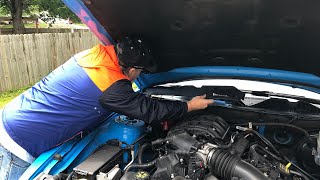
Technical Specifications
OEM Part Numbers: 6E5Z14A003AA AR3Z14A003A CR3Z14A068AAA GR3Z-14290-AZ GR3Z14290E JR3Z-14290-S JR3Z14290A KR3Z-14290-A KR3Z14290AF FR3Z-15604-E FR3Z-15604-A FR3Z-15604-B FR3Z-15604-C FR3Z-15604-D
The primary components are the underhood Battery Junction Box (BJB) and the interior Smart Junction Box (SJB) for 2012-2014 models, or the Body Control Module (BCM) for 2015-2019 models.

The information in this article is provided for general reference and educational purposes only. Vehicle specifications, procedures, and part compatibility can vary by production date, trim level, and region. Always consult your vehicle's factory service manual and verify part numbers before purchasing or performing repairs. Safety-critical components such as airbags, seat belts, and braking systems should be installed by a qualified professional.
- Ford Mustang:
- 🎬 Helpful Videos
- Generation Differences: S197 (2012-2014) vs. S550 (2015-2019)
- 2012-2014 (S197 Platform)
- 2015-2019 (S550 Platform)
- Symptoms of a Failing Mustang Fuse Box or BCM
- Known Issues, Recalls, and Technical Service Bulletins (TSBs)
- Programming and Calibration: The #1 Buyer Question
- Buying a Used Fuse Box or BCM
- Cost Comparison
- Frequently Asked Questions (FAQ)
- 🎟️ Get 5% Off