

Ford Focus, Escape, Transit Connect & MKC Fuse Box Failures (2006-23)
This guide covers the common failure points of the engine bay fuse box, including water intrusion and overheating terminals that can leave your Ford or Lincoln with no-start problems or strange electrical issues.
- This specific engine bay fuse box (Battery Junction Box) does NOT require programming, making a used OEM part a viable and cost-effective repair.
- Water intrusion is the primary cause of failure. Always inspect a used part for any signs of corrosion or moisture and ensure the cover is intact and sealed.
- A common failure is a melted terminal for the fuel pump fuse, which will cause a 'crank no start' or stalling condition.
- Compatibility is critical. You must match the part number and/or ensure the donor vehicle has the exact same options (cruise control, fog lamps, ABS) as yours.
Known Issues & Recalls

While there are no widespread recalls specifically for the fuse box itself across all these models, several related issues and recalls highlight the sensitivity of the vehicle's electrical systems. The most common real-world failures stem from environmental exposure and component stress rather than a specific manufacturing defect.
Water Intrusion and Corrosion
The number one killer of the engine bay fuse box (BJB) is water. A poorly sealed or improperly latched cover can allow moisture to enter the box. This leads to corrosion on the delicate metal terminals and internal circuit board traces. Symptoms of water damage are often sporadic at first 🎬 See how mechanics diagnose and attempt to restore a water-damaged fuse box, including flickering lights or random warning messages, but will eventually lead to a complete no-start or loss of power as connections degrade.
Overheating Fuel Pump Fuse
A known weakness in some Ford BJB designs is the potential for specific fuse terminals to overheat and melt. This is often seen with the fuel pump fuse. The terminal inside the box can't handle the sustained electrical load, causing it to overheat, melt the surrounding plastic, and create a poor connection. This will starve the engine of fuel, leading to a "crank, no start" condition 🎬 Watch this guide to locate and replace a Ford Focus fuel pump fuse or sudden stalling while driving. While a specific TSB (15-0137) for this issue applied to F-150s, the failure pattern is relevant to these models as well.
Related Recalls (Body Control Module)
In 2015, Ford recalled over 400,000 Focus, C-Max, and Escape models for a faulty Body Control Module (BCM), which is the interior fuse box. The issue could cause the engine to keep running even after the ignition was turned off. While this recall concerns the interior BCM, not the under-hood BJB this article focuses on, it's important to distinguish between the two when diagnosing electrical problems.
Lincoln MKC Battery Sensor Fire Risk
A notable recall for the 2015-2019 Lincoln MKC involved the battery monitoring sensor. This sensor, located near the battery, could be damaged during service, leading to an electrical short and, in some cases, an under-hood fire even when the vehicle was parked and off. The fix involved dealers installing an in-line fuse to protect the circuit. This issue highlights the importance of careful work around the battery and fuse box area.
Symptoms of a Failing Fuse Box

When the main engine fuse box begins to fail, it can cause some of the most confusing and frustrating electrical problems. Because it controls power to so many different systems, symptoms can seem random and unrelated.
- Complete Loss of Electrical Power: You may get in your car and find it's completely dead, with no interior lights, dashboard, or response from the ignition, even with a good battery.
- Engine Cranks But Will Not Start: If the fuse or relay for the fuel pump or powertrain control module (PCM) has failed, the engine will turn over but never run. This is a classic sign of a melted fuel pump fuse terminal.
- Single Click, No Crank: A single click when you turn the key often points to a problem in the starter circuit. This can be caused by a failed starter relay within the BJB.
- Intermittent Electrical Gremlins: A failing BJB can cause flickering lights, a radio that cuts out, or power windows that stop working randomly. These issues often point to loose internal connections or corrosion.
- Parasitic Battery Drain: A fault within the BJB, like a stuck relay or corrosion creating a short circuit, can cause a continuous power draw that drains the battery overnight. This has been a reported issue, particularly on the Lincoln MKC.
- Multiple Unrelated Warning Lights: If systems like ABS, power steering, and the radio all fail simultaneously, the BJB is a prime suspect as it's the common power source for all of them.
- Visible Damage or Burning Smell: A visual inspection can often confirm a bad fuse box. Look for melted plastic around fuse slots, discoloration, or a white/green crusty corrosion on the terminals. A distinct plastic burning smell under the hood is a serious red flag.
Buying a Used Fuse Box: What to Look For
A used OEM fuse box is an excellent, cost-effective solution because it does not require programming and retains the factory-grade quality that many aftermarket parts lack. However, careful inspection is critical to avoid buying a part that is already failing.
Pro Tip: Before you condemn your fuse box, fully charge and test your battery. A weak or failing battery can cause strange electrical issues and even trigger diagnostic trouble codes that might incorrectly point to a bad fuse box.
- Verify Compatibility: First and foremost, ensure the fuse box is from a compatible vehicle. While this part fits the Focus, Escape, Transit Connect, and MKC, there are variations based on vehicle options. The initial data for this article noted specific configurations like "WITH cruise control, but WITHOUT fog lamps and WITHOUT anti-lock brakes (ABS)." Always match your vehicle's exact options.
- Match Part Numbers Carefully: The best method is to match the OEM part number from your original fuse box to the replacement. There are many valid part numbers for this family of vehicles. Do not install a fuse box if the part number does not match one of the known compatible numbers for your original.
- Inspect for Water Damage: Remove the top cover and look for any signs of moisture, white or green corrosion on the metal terminals, or water lines on the inside of the plastic housing. A BJB with any signs of water intrusion should be rejected immediately.
- Check for Melted Terminals: Pay close attention to the slots for high-draw fuses, especially the one for the fuel pump. Look for any melted plastic, discoloration, or signs of overheating. This is a common failure point.
- Ensure Housing is Intact: Check for any cracks, broken tabs, or damage to the main housing and cover. A damaged cover will not seal properly, leading to future water damage.
Programming and Installation

No Programming Required: The under-hood Battery Junction Box (BJB) for the 2006-2016 Ford Focus, 2013-2016 Ford Escape, 2012-2023 Ford Transit Connect, and 2015-2019 Lincoln MKC does not require any programming, flashing, or calibration. It is a direct, plug-and-play swap. However, be aware that the interior fuse box (often called the Body Control Module or Smart Junction Box) does require programming by a dealer or qualified shop if it is replaced.
Replacement is a straightforward DIY job for most home mechanics. It typically involves disconnecting the battery, removing the main power cables attached to the BJB, unclipping several large electrical connectors 🎬 Watch how to change fuses and relays on a Ford Focus, and unbolting the box from the vehicle. The process for the Transit Connect can be slightly more involved, sometimes requiring the removal of an airbox to gain access.
Cost of Replacement
| Part Type | Estimated Cost |
|---|---|
| New OEM | $350 - $600+ |
| New Aftermarket | $150 - $300 |
| Used OEM | $75 - $200 |
| Shop Labor | $100 - $250 |
Note: Prices are estimates and can vary based on location, supplier, and vehicle specifics. Labor costs are for installation only.
Frequently Asked Questions (FAQ)
Does a replacement engine fuse box need to be programmed?
No. For the vehicles covered in this guide, the under-hood engine fuse box (Battery Junction Box) is a non-programmable part. You can swap it with a compatible used unit without needing a trip to the dealer.
What's the difference between the engine fuse box and the interior fuse box?
The engine fuse box (BJB) handles high-power circuits like the starter, fuel pump, and cooling fans. The interior fuse box, often called the Body Control Module (BCM) or Smart Junction Box (SJB), controls lower-power interior functions like lights, windows, and the radio, and acts as a communication hub that requires programming.
Why does my Ford click but not start?
A single, sharp click often indicates a problem with the starter relay, which is located in the engine fuse box. It can also be caused by a dead battery or poor battery cable connections. If the relay inside the BJB has failed, replacing the entire box may be necessary if the relay is integrated into the circuit board.
Can I use a fuse box from a car with different options?
It is strongly advised not to. These fuse boxes are built with different internal circuits depending on the vehicle's options (e.g., with or without fog lights, ABS, etc.). Installing an incorrect fuse box can cause certain features to not work or, in a worst-case scenario, cause electrical damage. Always match part numbers and vehicle options.
Helpful Videos
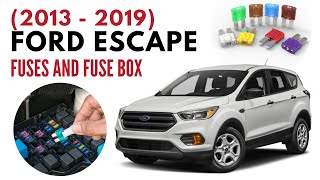

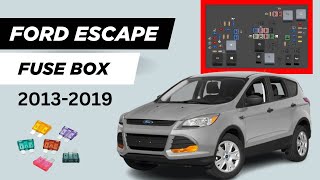
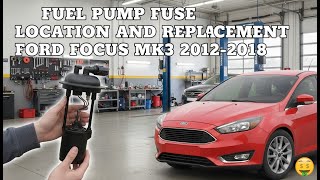
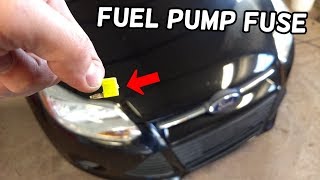
Technical Specifications
OEM Part Numbers: 6S4T14K733GJ 6S4T14K73GH 6s4z-14289-ba 6S4Z14289GB 8S4Z14A003A 8S4Z14A003B 8S4Z14A068A AV6Z14A003AA AV6Z14A068A CV6Z14A003AA CV6Z14A003BA CV6Z14A068AA F1EZ14290GA G1EZ-14290-A G1EZ14290D
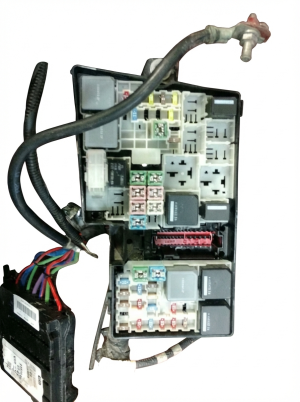
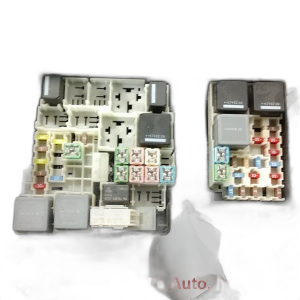
This is the under-hood fuse and relay center, also known as the Battery Junction Box (BJB). It is distinct from the interior fuse panel (BCM/SJB).
We Have This Part in Stock





The information in this article is provided for general reference and educational purposes only. Vehicle specifications, procedures, and part compatibility can vary by production date, trim level, and region. Always consult your vehicle's factory service manual and verify part numbers before purchasing or performing repairs. Safety-critical components such as airbags, seat belts, and braking systems should be installed by a qualified professional.
- Ford Focus:
- Ford Escape:
- Ford Transit Connect:
- Lincoln MKC:
- 🎬 Helpful Videos
- 🛍️ Shop This Part
- Known Issues & Recalls
- Water Intrusion and Corrosion
- Overheating Fuel Pump Fuse
- Related Recalls (Body Control Module)
- Lincoln MKC Battery Sensor Fire Risk
- Symptoms of a Failing Fuse Box
- Buying a Used Fuse Box: What to Look For
- Programming and Installation
- Cost of Replacement
- Frequently Asked Questions (FAQ)
- 🎟️ Get 5% Off