

2006-2011 ML350 Front Fuse Box (SAM): Solving Water Damage & Electrical Gremlins
Your guide to diagnosing, replacing, and programming the W164 ML350's crucial front Signal Acquisition Module (SAM) and fuse box.
- The #1 cause of failure is water damage from clogged cowl drains; inspect for corrosion before buying a used unit.
- This part is a computer called a Front SAM; it is NOT just a simple fuse box.
- A replacement SAM (new or used) MUST be programmed/coded to the vehicle by a dealer or specialist with Mercedes-specific tools.
- You must match the OEM part number on your original unit EXACTLY to ensure compatibility.
What is the Front SAM and Why Does It Fail?


In the Mercedes-Benz W164 chassis, which includes the 2006-2011 ML350, the engine fuse box is an intelligent control unit called the Front Signal Acquisition Module (SAM). It serves a dual purpose: it houses many of the vehicle's essential fuses and relays while also acting as a computer that manages dozens of electrical functions for the front of the vehicle. This includes control over headlights, turn signals, windshield wipers, the horn, the radiator cooling fan, and communication with other control modules.
🎬 Watch this overview on how to tell if your SAM module is badThe #1 Cause of Failure: Water Intrusion. The most common reason for Front SAM failure is water damage. The module is located in the engine compartment on the passenger side, under a plastic cover near the base of the windshield. Over time, drains in this cowl area can become clogged with leaves and debris, causing rainwater to overflow and seep into the SAM's housing. 🎬 See how to detect SAM module water leaks in a W164 Water can also enter through a leaking windshield seal or damaged sunroof drains that route water down the A-pillar. Once moisture gets inside, it causes corrosion on the delicate circuit board and connector pins, leading to short circuits and component failure.
Symptoms of a Failing ML350 Front SAM

Because the Front SAM controls so many different systems, symptoms can be varied and widespread. Often, you will experience multiple issues at once. Common signs of a failing Front SAM include:
- Lighting Problems: One or both headlights, turn signals, or fog lights may not work at all, or they might stay on continuously even when the car is off.
- Windshield Wiper Malfunctions: The wipers may operate erratically, not turn on, or not park in the correct position.
- Horn Inoperative: The horn may suddenly stop working.
- Radiator Fan Issues: The engine's cooling fan might run at full speed all the time or not turn on when needed, potentially leading to overheating.
- No-Start or Intermittent Starting: The module plays a role in the starting sequence, and a failure can prevent the engine from cranking.
- Multiple, Unrelated Warning Lights: You may see numerous error messages on the dashboard for systems that seem to have no connection to each other.
- Communication Errors: A professional scan tool may show multiple "U-codes" (communication codes), indicating that the Front SAM is not communicating correctly with other modules in the vehicle.
Known Issues, Recalls, and Technical Service Bulletins (TSBs)
While there are no specific recalls for the Front SAM module itself, the 2006-2011 ML-Class has been subject to recalls for other issues, some of which involve water intrusion and corrosion. Notably, NHTSA recall 22V-315 (and a later expansion 24V-298) addresses potential corrosion of the brake booster due to water accumulation, an issue that highlights the vehicle's susceptibility to water-related problems in the engine bay area. There are also general TSBs for other vehicles that discuss water leaks from clogged cowl drains, windshield seals, or roof seams, which are the root cause of most SAM failures.
Pro Tip: Before replacing the SAM, always clear the cowl drains located near the base of the windshield on both the driver and passenger sides. Clogged drains are the primary source of water that damages the Front SAM. Keeping them clear is the best preventative maintenance you can do.
Buying a Used ML350 Front SAM: What You MUST Know

A used OEM Front SAM is an excellent, cost-effective alternative to a brand-new unit from a dealer. However, there are critical steps you must follow to ensure a successful repair.
1. Match the Part Number EXACTLY
This is the most important rule. Mercedes used many different SAM versions with unique hardware and software configurations based on the vehicle's specific options (like Xenon headlights, for example). You must remove your original module and match the Mercedes-Benz part number printed on the label. Do not rely on a visual match alone. Using a SAM with a different part number will result in features not working. The provided list of known part numbers is a starting point, but always verify the number on your specific unit.
2. Inspect for Corrosion
Before purchasing a used SAM, carefully inspect the unit, paying close attention to the electrical connector pins. Look for any signs of white or green powder-like residue, which indicates corrosion from water damage. Do not buy a unit that shows any evidence of moisture intrusion, as it is likely to fail prematurely.
3. Programming IS REQUIRED
A used Front SAM is NOT plug-and-play. The module must be programmed (or "coded") to your vehicle's specific VIN and equipment list. If you simply install a used SAM without programming, you will likely experience numerous problems, such as features not working (windows, wipers, lights) or incorrect error messages on the dashboard. There are two main ways to handle this:
- SCN Coding: A Mercedes-Benz dealer or a qualified independent specialist with a genuine STAR/XENTRY diagnostic tool can perform SCN (Software Calibration Number) coding. This process downloads the correct software and configuration from Mercedes' central servers and writes it to the module, making it a perfect match for your car.
- Cloning: Some specialized services can "clone" your original SAM. This involves transferring all the data—including the VIN, software, and coding—from your old, faulty module to the used replacement unit. This makes the replacement module a plug-and-play part, but it requires you to send both your original and replacement modules to the service provider.
Warning: Most general repair shops and locksmiths do not have the expensive, specialized equipment required to program a Mercedes SAM. You will almost certainly need to visit a dealer or a dedicated Mercedes independent specialist after installation.
Cost Breakdown for Replacement
Prices can vary based on location and the specific part number required. The following is an estimate of costs:
| Part Type | Estimated Cost |
|---|---|
| New OEM | $400 - $650 |
| New Aftermarket | Generally not available for this complex component. |
| Used OEM | $75 - $250 |
| Remanufactured / Cloning Service | $100 - $300 (plus cost of used unit) |
| Shop Labor (Installation & Programming) | $200 - $450 |
Frequently Asked Questions (FAQ)
Do I absolutely have to program a used Front SAM?
Yes. While the engine might start and some basic functions may work with an uncoded used SAM, many features will not operate correctly, and you will have multiple error codes. Proper programming is essential for full functionality.
Can I drive my ML350 with a bad Front SAM?
It is not recommended. Depending on the specific failure, you could lose critical functions like headlights, turn signals, or windshield wipers, making the vehicle unsafe to drive. A failing SAM can also cause a battery drain that leaves you stranded.
Where is the Front SAM located on a 2006-2011 ML350?
The Front SAM is located in the main fuse box assembly in the engine compartment. It is on the passenger's side, under a black plastic cover close to the firewall and windshield.
🎬 Watch this guide to ML350 fuse box locations and diagramsWill replacing the Front SAM fix my headlight/wiper problem?
If the SAM has been diagnosed as the faulty component, then yes, replacing and programming it will solve the issue. However, the problem could also be a bad switch, a faulty motor, or a wiring issue. Proper diagnosis with a Mercedes-specific scan tool is key to avoiding the replacement of good parts.
Can I clean the corrosion off my old SAM instead of replacing it?
In some cases of very minor corrosion, cleaning the board and connectors with electrical contact cleaner and a soft brush may restore function temporarily. However, once corrosion starts, it often damages the delicate electronic components and traces on the multi-layer circuit board, making failure likely to return. Replacement is the only reliable, long-term solution.
Helpful Videos
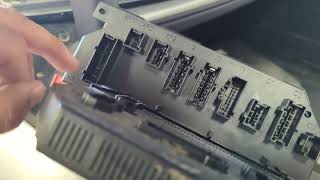

Technical Specifications
OEM Part Numbers: 1645400072 1645400672 1645402972 1645403272 1645403472 1645403572 1645403872 1649004101 1649820323 A1645403272 A1645403472 A1645403572 A1645403872 A1649820323
Location: Engine bay, passenger side, under plastic cowl cover. Type: Signal Acquisition and Actuation Module (SAM) with integrated fuse and relay panel.
We Have This Part in Stock
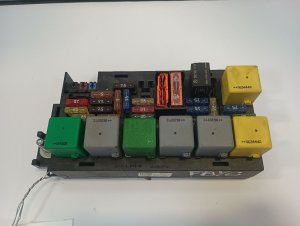



The information in this article is provided for general reference and educational purposes only. Vehicle specifications, procedures, and part compatibility can vary by production date, trim level, and region. Always consult your vehicle's factory service manual and verify part numbers before purchasing or performing repairs. Safety-critical components such as airbags, seat belts, and braking systems should be installed by a qualified professional.
- Mercedes-Benz ML350:
- 🎬 Helpful Videos
- 🛍️ Shop This Part
- What is the Front SAM and Why Does It Fail?
- Symptoms of a Failing ML350 Front SAM
- Known Issues, Recalls, and Technical Service Bulletins (TSBs)
- Buying a Used ML350 Front SAM: What You MUST Know
- 1. Match the Part Number EXACTLY
- 2. Inspect for Corrosion
- 3. Programming IS REQUIRED
- Cost Breakdown for Replacement
- Frequently Asked Questions (FAQ)
- 🎟️ Get 5% Off