

2007-2009 Range Rover Sport Engine Fuse Box: Water Leaks, No-Start Fixes, and Part Guide
This guide covers the common failures, part number variations, and critical replacement advice for the engine fuse box in your 2007-2009 Range Rover Sport.
- The Engine Fuse Box (EJB) does NOT require programming, but the interior Central Junction Box (CJB) does. Do not confuse them.
- Water intrusion from clogged sunroof drains or a warped cowl is the #1 cause of failure. Inspect for corrosion before buying a used unit.
- The fuse boxes for the 4.4L V8 and 4.2L Supercharged engines are different and not interchangeable.
- Symptoms often include a no-start with a single click, or a flood of unrelated warning lights on the dashboard, especially after rain.
Symptoms of a Failing Engine Fuse Box

A failing engine fuse box in a Range Rover Sport often creates a cascade of confusing electrical issues. Because it supplies power to so many other components, a fault here can make it seem like multiple unrelated parts have failed simultaneously.
- No-Crank, No-Start: This is the most common symptom. You may turn the key and hear a single, sharp click from the engine bay, but the engine will not turn over. This often points to a failed starter relay inside the fuse box.
- Intermittent Starting: The vehicle may start fine one day but refuse to crank the next, leaving you stranded without warning. This can be caused by corrosion or a failing relay making a poor connection.
- Multiple, Unrelated Dashboard Warnings: You might see a Christmas tree of lights appear on the dash, such as 'HDC Fault', 'Air Suspension Inactive', or 'Transmission Fault', even if those systems are mechanically sound. This happens when the modules controlling these systems lose power from the fuse box.
- Electrical Gremlins After Rain or Car Wash: If you notice the horn honking, wipers activating on their own, or other strange electrical behavior after the vehicle gets wet, it's a strong sign that water has entered the fuse box or related wiring.
- Complete Loss of Power: While less common, a catastrophic failure or major short circuit within the box can lead to a total loss of electrical power to the engine systems.
Associated OBD-II Codes
A failing engine fuse box rarely generates a fault code for itself. Instead, it causes other modules to report errors. You are more likely to see:
- Communication Codes (U-prefix): Codes like U0100 (Lost Communication with ECM), U0121 (Lost Communication with ABS Module), or other U-codes indicate that various control units are losing power or data connection, often due to a fault at the source—the fuse box.
- Low Voltage or Power Supply Codes: Faults in various modules indicating low voltage can point back to a corroded connection or failing relay in the fuse box.
- Symptom-Specific Codes: For example, if the fuel pump relay is failing, you might get a code like P0087 (Fuel Rail Pressure Too Low) because the pump isn't getting consistent power.
Pro Tip: Before condemning the fuse box, always test the battery and check the main ground connections. Land Rovers are highly sensitive to voltage, and a weak battery can cause many of the same bizarre electrical symptoms as a faulty fuse box.
Known Issues & Common Failure Modes

The #1 Killer: Water Intrusion
By far, the most common cause of engine fuse box failure in this generation of Range Rover Sport is water damage. Water gets into the engine bay and passenger compartment, corroding the fuse box terminals, internal circuit board, and associated wiring connectors. This corrosion creates high resistance, short circuits, and open circuits, leading to the symptoms described above.
Common leak sources include:
- Clogged Sunroof Drains: The drain tubes get blocked with debris, causing water to overflow and run down the A-pillars into the vehicle's electronics.
- Warped or Poorly Sealed Windshield Cowl: The plastic panel at the base of the windshield can warp over time, allowing water to drip directly onto sensitive electronics, including the air intake for the cabin, which can flood the passenger footwell where other electronics are located.
- Failed A-Pillar Seals: Degraded seals on the A-pillar trim can allow water to bypass the intended drainage paths and get into the dashboard and kick panel areas.
Warning: Engine Fuse Box vs. Interior Fuse Box
It is critical to distinguish between the Engine Junction Box (EJB) under the hood and the Central Junction Box (CJB) inside the passenger compartment (behind the glovebox).
- The Engine Junction Box (this part) is a non-configured power distribution center. It does NOT require programming. It is plug-and-play.
- The Central Junction Box (CJB) is integrated with the Body Control Unit (BCU). This module DOES require programming by a dealer or specialist with JLR-specific tools to match your vehicle's VIN and options.
Many symptoms overlap, but do not purchase a CJB/BCU unless you are certain it is the cause of the fault and are prepared for the required programming.
Buying a Used Engine Fuse Box
Given the high cost of a new replacement (often sold with the entire engine harness), a used OEM fuse box is a smart, cost-effective solution. However, careful inspection is key.
1. Verify Engine Compatibility
The fuse boxes for the 4.4L V8 and 4.2L Supercharged V8 engines are different. You must purchase a unit that matches your vehicle's engine.
- 4.4L V8 (Naturally Aspirated): This model often has the fuse box serviced as part of the complete engine wiring harness (Part No. LR005046). When buying used, ensure the part numbers on the box and any attached wiring match what is in your vehicle.
- 4.2L V8 (Supercharged): This engine uses a different fuse box designed for its specific electrical loads.
Always confirm compatibility by matching your engine type first, then by visually comparing the layout and part numbers of the used unit to your original one.
2. Physical Inspection
When inspecting a used fuse box, look for the following:
- Check for Corrosion: Look at all pins, fuse slots, and relay sockets for any signs of white, green, or blue powder (corrosion). Pay special attention to the large terminals where the main power cables attach.
- Inspect for Melted Plastic: Check around the high-amperage fuse slots for any signs of melted or warped plastic, which indicates a past short circuit or overheating issue.
- Look for Water Stains: Examine the housing for any dried water marks or discoloration that would suggest it has been exposed to moisture.
- Ensure All Covers Are Intact: The plastic covers are essential for protecting the unit from future moisture and debris.
3. Why Used OEM is a Good Choice
For a complex electrical distribution part like this, a quality used OEM unit is often superior to a new, cheap aftermarket alternative. The OEM unit was designed specifically for your vehicle's electrical load and tolerances. Given that a new OEM replacement can involve buying an entire engine harness for over $1,500, a reliable used part for a fraction of the price offers significant value.
Cost of Replacement
| Part/Service | Estimated Cost |
|---|---|
| New OEM (Often sold with engine harness) | $1,500 - $1,700+ |
| New Aftermarket | Not commonly available |
| Used OEM | $75 - $250 |
| Shop Labor Cost | $200 - $400 |
Replacement Information

The engine fuse box is located in the engine compartment on the passenger side, near the battery.
- Difficulty: 2 out of 5. The job is straightforward for a DIYer with basic mechanical skills.
- Estimated Time: 1.5 - 2.0 hours.
- DIY Feasible: Yes.
Procedure Overview:
- Disconnect the battery. This is the most important safety step. Always disconnect the negative terminal first.
- Remove the fuse box cover.
- Unbolt the main power connections.
- Carefully unplug the multiple wiring harness connectors. These have locking tabs that must be released before pulling.
- Unbolt the fuse box housing from the vehicle body.
- Installation is the reverse of removal. Ensure all connectors are fully seated and locked.
Recalls and Technical Service Bulletins (TSBs)
As of this writing, there are no specific NHTSA recalls for the engine fuse box on the 2007-2009 Range Rover Sport. However, numerous TSBs may exist for related electrical issues or water leaks. Always check with a dealer for the latest information regarding your specific VIN.
Technical Specifications & Part Numbers

| Part | Number | Notes |
|---|---|---|
| Engine Harness (w/ Fuse Box) | LR005046 | For 4.4L V8 models. |
| Fuse Box (Supercharged) | - | Different part from 4.4L. Verify by engine. |
| Fuse Box (Non-Supercharged) | - | Different part from 4.2L SC. Verify by engine. |
| Fuse Box Cover | YPP500080 | Fits both 4.2L and 4.4L models. |
| Unverified Numbers | DE220227, LR005049, YMB507420B, YPC500840, YPC500870 | These numbers were found in databases but could not be definitively verified as the correct fuse box assembly. YPC500870 may be an O2 sensor. Always match your original part. |
Frequently Asked Questions (FAQ)
Does the engine fuse box need to be programmed after installation?
No. The engine bay fuse box (EJB/BJB) is a non-configured part and does not require any programming. It is a simple plug-and-play replacement. However, the interior fuse box (CJB/BCU) does require programming, so it is essential to correctly identify which part has failed.
Can I use a fuse box from a 4.2L Supercharged model in my 4.4L V8?
No. The fuse boxes are designed for the specific electrical demands of each engine. Using the wrong one can lead to improper system function or electrical damage. You must install a fuse box that matches your vehicle's original engine type.
What is the primary cause of fuse box failure on these vehicles?
Water intrusion is the number one cause of failure. Leaks from clogged sunroof drains, a bad windshield cowl seal, or A-pillar seals allow water to drip onto the fuse box, causing corrosion and short circuits.
Is replacing the engine fuse box a good DIY job?
Yes, for someone with basic tools and experience. The most critical steps are disconnecting the battery and being careful with the plastic locking tabs on the electrical connectors. It does not require special tools or software calibration.
Technical Specifications
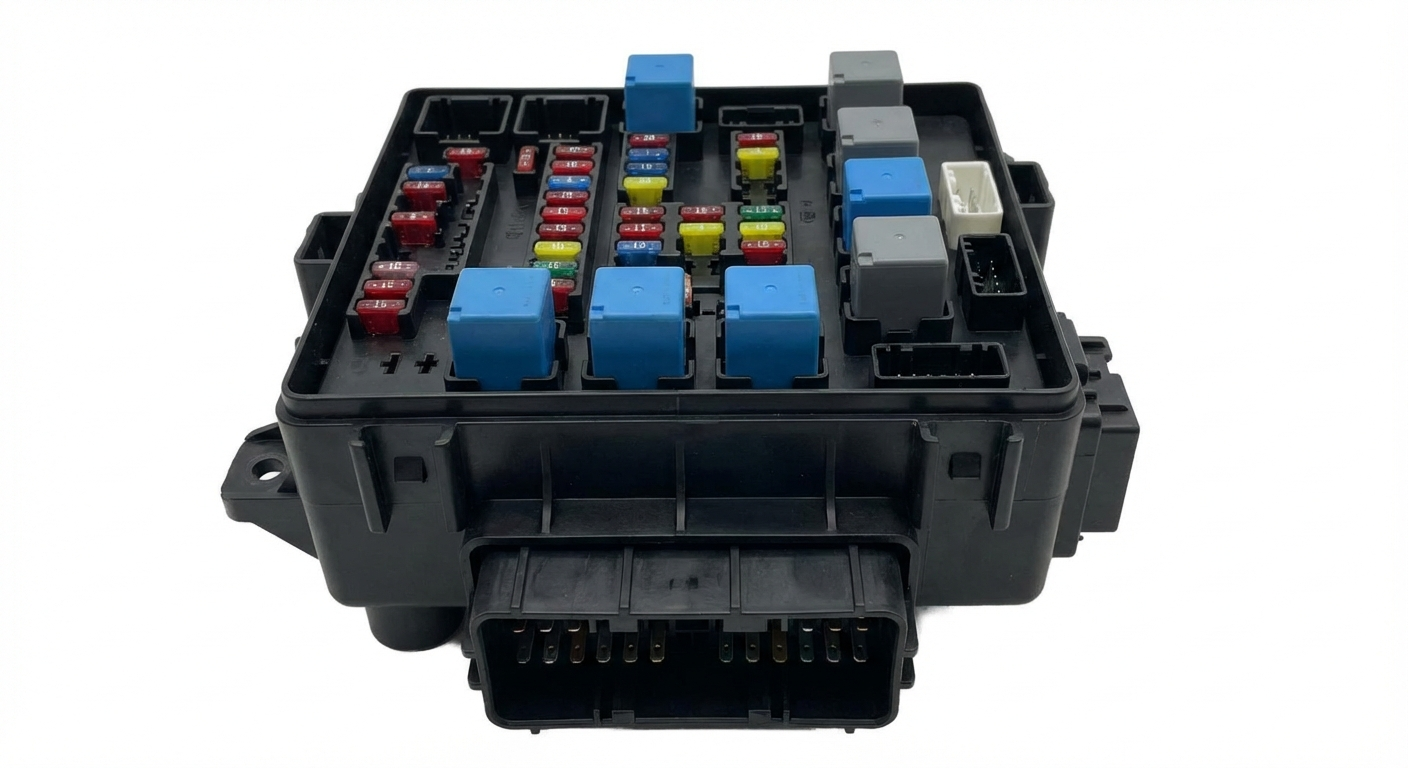
OEM Part Numbers: LR005046 DE220227 LR005049 YMB507420B YPC500840 YPC500870
Houses blade-type fuses and relays. Connects directly to the battery and main engine wiring harness. Specific versions exist for 4.4L Naturally Aspirated and 4.2L Supercharged engines.
We Have This Part in Stock


The information in this article is provided for general reference and educational purposes only. Vehicle specifications, procedures, and part compatibility can vary by production date, trim level, and region. Always consult your vehicle's factory service manual and verify part numbers before purchasing or performing repairs. Safety-critical components such as airbags, seat belts, and braking systems should be installed by a qualified professional.
- Land Rover Range Rover Sport:
- 🛍️ Shop This Part
- Symptoms of a Failing Engine Fuse Box
- Associated OBD-II Codes
- Known Issues & Common Failure Modes
- The #1 Killer: Water Intrusion
- Buying a Used Engine Fuse Box
- 1. Verify Engine Compatibility
- 2. Physical Inspection
- 3. Why Used OEM is a Good Choice
- Cost of Replacement
- Replacement Information
- Recalls and Technical Service Bulletins (TSBs)
- Technical Specifications & Part Numbers
- Frequently Asked Questions (FAQ)
- 🎟️ Get 5% Off