

2001 Kia Sephia Engine Fuse Box: Solving Electrical Gremlins and No-Start Issues
This guide covers common failures, part number verification, and replacement for the engine bay fuse and relay box in the 2001 Kia Sephia 1.8L.
- The engine fuse box for the 2001 Kia Sephia does NOT require any programming or dealer visit for installation.
- It is critical to match the part number from your old fuse box to the replacement, as different versions exist for cars with and without ABS or A/C.
- Common failure symptoms include the engine cranking but not starting, intermittent stalling, or the failure of specific electrical systems like the fuel pump or cooling fans.
- When buying a used unit, inspect it carefully for any signs of melted plastic or corrosion on the terminals.
Understanding the 2001 Sephia Engine Fuse Box


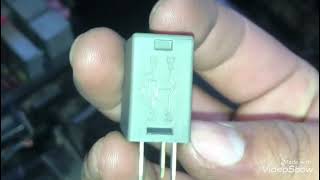
The engine fuse box in the 2001 Kia Sephia 🎬 Watch a practical tutorial on testing fuel pump fuses and relays. is more than just a holder for fuses; it's an integrated junction block that contains both fuses and relays. Relays are small electromagnetic switches that use a low-current signal to control a high-current circuit, like the one for the fuel pump or cooling fan. The fuse box itself is a molded plastic housing with an intricate network of metal contacts inside that route power from the battery to all the major electrical components in the engine bay. Its cover usually has a diagram indicating the function and amperage of each fuse and relay.
Symptoms of a Failing Engine Fuse Box

A faulty engine fuse box can cause a variety of confusing symptoms that may seem unrelated. Because it controls so many different systems, problems can be intermittent or affect multiple components at once.
- Engine Cranks but Won't Start: This is one of the most common symptoms. A failure within the fuse box can prevent power from reaching the fuel pump relay or the ignition coil, resulting in a no-start condition.
- Intermittent Stalling: The vehicle may start and run fine, then suddenly stall. This can be caused by a poor internal connection in the fuse box that is affected by vibration or temperature changes, cutting power to essential systems like the fuel pump.
- Specific Systems Not Working: One or more electrical components may stop working entirely. This could include headlights, cooling fans, the horn, or the air conditioner. For example, if the cooling fans don't turn on, it could be a bad fan relay or a problem in the fuse box circuit that powers it.
- Melted Fuses or Relays: A visual inspection might reveal that a fuse or relay, or the plastic around its socket, has melted. This indicates a serious short circuit or a high-resistance connection within the fuse box itself, which generates excessive heat.
- Visible Corrosion or Water Damage: The fuse box cover is designed to keep moisture out, but if the seal fails, water can get inside and cause corrosion on the terminals. This green or white crusty buildup creates poor connections and can lead to a host of electrical issues.
Pro Tip: If you are experiencing a no-start condition, a simple first step is to listen for the fuel pump. When you turn the key to the 'ON' position (without starting), you should hear a faint humming or buzzing sound from the rear of the car for about two seconds. If you don't hear it, check the fuel pump fuse and relay in the engine fuse box.
🎬 Watch this guide on troubleshooting no-start issues and fuel system basics.Known Issues, Recalls, and Service Bulletins
While there are no recalls specifically for the engine fuse box on the 2001 Kia Sephia, there are several related electrical service bulletins and a recall that are important to be aware of.
- NHTSA Recall 99V318000: This recall, which applied to 1998-1999 models but highlights a relevant issue, addressed a poor ground connection for the fuel pump circuit that could cause the engine to stall. While not directly the fuse box, it shows the sensitivity of the fuel system's electrical circuit. 🎬 See how to diagnose fuel pump issues on a 2001 Kia Sephia.
- TSB for Battery Cable Chafing: Several TSBs were issued for older Sephia models regarding battery cables chafing against other components, which could lead to short circuits. A short circuit can overload and damage components within the fuse box.
- General Electrical Complaints: Owners have reported various electrical issues, including malfunctioning dashboard lights and other unpredictable electrical failures, which can sometimes be traced back to problems in the main fuse box or its connections.
Buying a Used Engine Fuse Box for Your 2001 Sephia
For a vehicle of this age, a quality used OEM fuse box is often the most practical and affordable solution. New OEM units can be expensive or difficult to find, while aftermarket options may not exist. Here’s what to look for when buying used.
Warning: The most critical step is to match the part number from your original fuse box to the replacement unit. Several different part numbers were used for the 2001 Sephia, depending on options like air conditioning (A/C) and anti-lock brakes (ABS). Using the wrong box can result in certain features not working.
How to Verify Compatibility:
- Locate Your Part Number: The part number is printed on a sticker or stamped directly onto the plastic housing of your current fuse box.
- Match the Number: Compare your number to the known OEM part numbers: 0K2BW67JB0, 1K2AA67JB0D, 2K2AA67JB0A, 2K2AA67JB0B, 2K2AA67JB0C, 2K2AA67JB0D. Be aware that there may be other valid numbers as well.
- Check Vehicle Options: Part numbers often vary based on whether the car has ABS and/or A/C. Ensure the donor vehicle had the same options as yours if you cannot match the part number exactly.
Physical Inspection Checklist:
- No Signs of Melting: Carefully inspect all fuse and relay sockets for any signs of melted or distorted plastic.
- Check for Corrosion: Look at all the metal terminals, both where the fuses plug in and where the large wiring harnesses connect. Avoid any unit with green or white powder (corrosion).
- Intact Housing and Cover: Make sure the plastic housing and mounting tabs are not cracked or broken. The cover should be included and fit securely to prevent future water intrusion.
- Connector Pins: Check the large pins on the underside where the main harnesses connect. They should all be straight and clean.
Programming and Installation
Does this module need to be programmed?
No. The 2001 Kia Sephia engine fuse box is a non-programmed part. It does not need to be flashed, coded, or programmed by a dealer. It is a direct plug-and-play replacement. It also has no connection to the vehicle's immobilizer system, which is linked to the ignition key and the Engine Control Module (ECM), not the fuse box.
Replacement Overview
Replacing the fuse box is a straightforward job that a DIY mechanic can typically perform in under an hour.
- Disconnect the Battery: Always disconnect the negative battery terminal before working on any electrical components.
- Remove the Cover: Unclip and remove the fuse box cover.
- Unplug Connectors: Carefully press the release tabs and unplug the large electrical connectors from the bottom and sides of the fuse box.
- Unbolt the Box: Remove the bolts that secure the fuse box to the vehicle's chassis.
- Transfer Fuses/Relays: Your used replacement may not come with all fuses and relays. Carefully transfer any needed components from your old box to the new one using a fuse puller. A fuse puller tool is often located inside the fuse box cover itself.
- Install the New Box: Reinstall in the reverse order of removal. Ensure all connectors click securely into place and the cover is latched tightly to prevent water entry.
Cost Comparison
Prices for a 2001 Kia Sephia engine fuse box can vary significantly based on the source.
| Part Type | Estimated Cost |
|---|---|
| New OEM | $370 - $500+ |
| New Aftermarket | Not commonly available |
| Used OEM | $50 - $125 |
| Shop Labor | $100 - $150 |
Frequently Asked Questions (FAQ)
Do I need to program a replacement engine fuse box for a 2001 Sephia?
No, this part does not require any programming, flashing, or dealer intervention. It is a simple plug-and-play component.
Can a bad engine fuse box cause my car to crank but not start?
Yes, this is a very common symptom. If the internal circuits that power the fuel pump relay or ignition system fail, the engine will turn over but will not fire up.
What's the difference between the engine fuse box and the one inside the car?
The engine fuse box (junction block) manages high-current components related to the engine and vehicle operation, like the starter, fuel pump, and cooling fans. The interior fuse panel, located in the driver's side kick panel, typically handles lower-current interior accessories like the radio, power outlets, and interior lights.
How can I tell if it's the fuse box or just a bad relay?
You can try swapping a suspect relay with an identical known-good relay from another circuit in the box (for example, swapping the horn relay with the fuel pump relay). If the problem moves with the relay, the relay is bad. If the problem stays with the same circuit even with a good relay, the issue is likely in the fuse box wiring or the component itself.
Technical Specifications and Part Numbers
OEM Part Numbers
Always verify the part number on your specific unit before ordering a replacement. Known compatible part numbers include:
- 0K2BW67JB0
- 1K2AA67JB0A
- 1K2AA67JB0B
- 1K2AA67JB0C
- 2K2AA67JB0A
- 2K2AA67JB0B
- 2K2AA67JB0C
- 2K2AA67JB0D
Key Fuses and Relays
The engine fuse box contains fuses and relays for the following critical systems:
- Fuel Pump (FUEL PUMP)
- Ignition Coil (IG COIL)
- Starter (STARTER)
- Cooling Fan (COOLING)
- Condenser Fan (CON/FAN)
- Headlights (HEAD)
- ABS
Helpful Videos

Technical Specifications
OEM Part Numbers: 0K2BW67JB0 1K2AA67JB0A 1K2AA67JB0B 1K2AA67JB0C 2K2AA67JB0A 2K2AA67JB0B 2K2AA67JB0C 2K2AA67JB0D
Fits 2001 Kia Sephia with 1.8L engine. Variations exist for models with/without Anti-lock Brakes (ABS) and with/without Air Conditioning (A/C).

The information in this article is provided for general reference and educational purposes only. Vehicle specifications, procedures, and part compatibility can vary by production date, trim level, and region. Always consult your vehicle's factory service manual and verify part numbers before purchasing or performing repairs. Safety-critical components such as airbags, seat belts, and braking systems should be installed by a qualified professional.
- Kia Sephia:
- 🎬 Helpful Videos
- Understanding the 2001 Sephia Engine Fuse Box
- Symptoms of a Failing Engine Fuse Box
- Known Issues, Recalls, and Service Bulletins
- Buying a Used Engine Fuse Box for Your 2001 Sephia
- How to Verify Compatibility:
- Physical Inspection Checklist:
- Programming and Installation
- Does this module need to be programmed?
- Replacement Overview
- Cost Comparison
- Frequently Asked Questions (FAQ)
- Technical Specifications and Part Numbers
- OEM Part Numbers
- Key Fuses and Relays
- 🎟️ Get 5% Off