

1997-2002 Daewoo Leganza Engine Fuse Box: A Guide to Failures and Compatibility
This guide explains the common failures and critical compatibility differences to help you find the correct replacement engine fuse box for your Leganza.
- Compatibility is critical: You must match the fuse box to your car's options, specifically whether it has Anti-lock Brakes (ABS) or not.
- Always verify the OEM part number and fuse/relay layout on your original unit before purchasing a replacement.
- No programming is required. Replacing the engine fuse box on a Daewoo Leganza is a plug-and-play procedure.
- Water intrusion and corrosion are the most common causes of failure; inspect any used unit carefully for signs of moisture damage.
Symptoms of a Failing Daewoo Leganza Engine Fuse Box


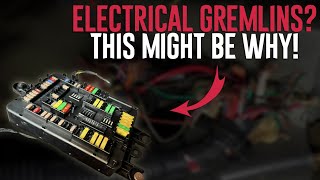
A failing engine fuse box can be difficult to diagnose because its symptoms often mimic other problems. Instead of a single, clear failure, you may experience a variety of strange electrical issues that seem unrelated. Recognizing these patterns is key to identifying the fuse box as the root cause.
🎬 Watch this overview on diagnosing common car fuse box problems- Multiple Unrelated Electrical Failures: This is the most common sign. For example, the radio, power windows, and fuel pump might stop working simultaneously. This happens because the internal connections that supply power to different circuits have failed.
- Engine Will Not Start or Cranks Slowly: The fuse box powers the fuel pump relay, ignition system, and starter relay. A bad connection can prevent the engine from getting fuel or spark, leading to a no-start condition. You might also hear a rapid clicking sound from the relays when you turn the key.
- Flickering Lights or Intermittent Component Operation: Headlights or dashboard lights may flicker, especially when driving over bumps. This indicates loose internal connections or corroded terminals that are momentarily losing contact.
- Repeatedly Blowing Fuses: If a specific fuse blows repeatedly even after you've checked the component it protects, the fuse box itself may have an internal short circuit.
- Visible Damage or Burning Smell: A strong smell of burnt plastic from the engine bay is a serious red flag. Upon inspection, you may see melted plastic around a fuse or relay socket, discoloration, or a white, powdery residue from corrosion.
Known Issues and Common Failure Modes

For a vehicle of this vintage, engine fuse boxes are susceptible to a few common problems, primarily related to age, heat, and environmental exposure.
- Water Intrusion and Corrosion: This is a primary cause of failure. Leaks from a bad windshield seal, clogged cowl drains, or even enthusiastic pressure washing can allow moisture into the fuse box. This water causes corrosion on the internal circuit board and connector pins, leading to high resistance, intermittent connections, and eventual circuit failure.
- Terminal Corrosion: Even without direct water entry, high humidity can cause corrosion on the fuse and relay terminals over many years. This white or greenish powder creates a poor connection, generating heat and sometimes melting the surrounding plastic.
- Vibration and Heat Cycles: Decades of engine vibration and heat cycles can cause internal solder joints on the circuit board to crack or terminal connections to loosen. This results in intermittent electrical faults that are hard to trace.
Important: There are no specific recalls or Technical Service Bulletins (TSBs) from Daewoo or the NHTSA directly related to the engine fuse box for the 1997-2002 Leganza. However, general electrical issues are a known complaint area for these vehicles.
Buying a Used 1997-2002 Leganza Engine Fuse Box
Since new OEM fuse boxes for the Leganza are effectively unavailable, a quality used part is the most practical solution. However, careful matching is essential to avoid compatibility problems. The provided OEM part numbers and buyer warnings highlight significant variations.
How to Ensure Compatibility
- Check for ABS (Anti-lock Brakes): This is the most critical distinction. Leganza models were produced with and without ABS, and the engine fuse boxes are different. A fuse box for a car with ABS will have slots for ABS-related fuses and relays (often labeled 'ABS', 'ESP', or similar). A non-ABS fuse box will have these spots empty or blanked off. Some vehicles with ABS may even have a separate, smaller fuse box for the ABS system.
- Verify Your Original Part Number: Before ordering, locate the OEM part number on your vehicle's original fuse box. It is typically stamped or on a sticker on the side or bottom of the housing. Match this number exactly to the used part you intend to buy. Even small differences in the final letters or numbers can indicate a different internal configuration.
- Compare Fuse and Relay Layouts: Once you have a potential replacement, compare a photo of its fuse and relay layout to your original unit. Pay close attention to the location of all fuses and relays and their amperage ratings. Ensure they are identical.
- Note VIN Splits: The initial data mentions part number changes at specific Vehicle Identification Numbers (VINs), such as at VIN 289543. While difficult to verify without dealer systems, this indicates that changes were made during the production run. This makes matching your part number even more critical.
Physical Inspection of a Used Part
- Check for Corrosion: Look for any white or green powder on the external terminals and inside the fuse/relay sockets. Pay special attention to the large multi-pin connectors on the bottom, as this is where water damage often shows.
- Inspect for Melted Plastic: Carefully examine the plastic around each fuse and relay socket. Any melting or discoloration indicates a past issue with overheating, and that fuse box should be avoided.
- Look for Water Stains: Check the housing for any signs of water lines or mineral deposits, which suggest it was exposed to moisture.
- Ensure Pins are Straight: All connector pins on the bottom of the unit should be straight and clean. Bent pins can prevent a solid connection or damage your vehicle's wiring harness.
Pro Tip: A used OEM fuse box from a dry, low-mileage vehicle is often a more reliable choice than a new aftermarket part (if one were available). The original manufacturer's quality control for the plastic molding and internal copper traces is typically superior.
Cost Comparison
As Daewoo ceased operations in the US market, new OEM parts are generally not available. The market for this part consists almost entirely of used OEM units.
| Part Type | Estimated Cost |
|---|---|
| New OEM | Discontinued/Unavailable |
| New Aftermarket | $25 - $70 (Generic/Universal options, not direct-fit) |
| Used OEM | $35 - $120 |
| Shop Labor for Replacement | $75 - $150 |
Frequently Asked Questions (FAQ)

Does a replacement Daewoo Leganza fuse box need to be programmed?
No. The engine fuse box on a 1997-2002 Leganza is a non-intelligent power distribution center. It does not contain a computer module and does not need to be programmed or flashed to the vehicle. It is a direct plug-and-play replacement, provided you have matched the part correctly to your vehicle's options.
Can a bad engine fuse box cause a no-start condition?
Yes, absolutely. The fuse box contains the fuses and relays for the fuel pump, ignition system, and engine control unit (ECU). If any of these circuits lose power due to a fault within the box, the engine will not start.
What's the difference between the engine fuse box and the one inside the car?
The engine fuse box handles high-current components essential for the engine's operation, like cooling fans, fuel pump, and ABS. The interior fuse box, usually located under the dashboard, handles lower-current interior accessories like the radio, interior lights, and power outlets.
How can I tell if my Leganza has ABS?
The easiest way is to look in the engine bay. You will see a metal block with several brake lines going into it, along with an attached electrical motor and controller; this is the ABS pump and module. You can also check your dashboard when you first turn the key; an 'ABS' warning light should illuminate briefly as part of the system self-test.
🎬 See how to check your ABS fuses and warning lightHelpful Videos
Technical Specifications
OEM Part Numbers: 96254843 96257124 96293332 96293333 96293336 96293337 96312620 96584119 96585119 96585122 96585123
Located in the engine compartment, typically near the battery. Houses a combination of blade-type fuses and relays to control various vehicle systems.

The information in this article is provided for general reference and educational purposes only. Vehicle specifications, procedures, and part compatibility can vary by production date, trim level, and region. Always consult your vehicle's factory service manual and verify part numbers before purchasing or performing repairs. Safety-critical components such as airbags, seat belts, and braking systems should be installed by a qualified professional.
- Daewoo Leganza: