

2016-2026 Dodge Durango Fuse Box: Solving Stalling and Electrical Gremlins
A deep dive into the Power Distribution Center (PDC) for the Dodge Durango, covering the common electrical failures, stalling issues, and the critical details of replacement and programming.
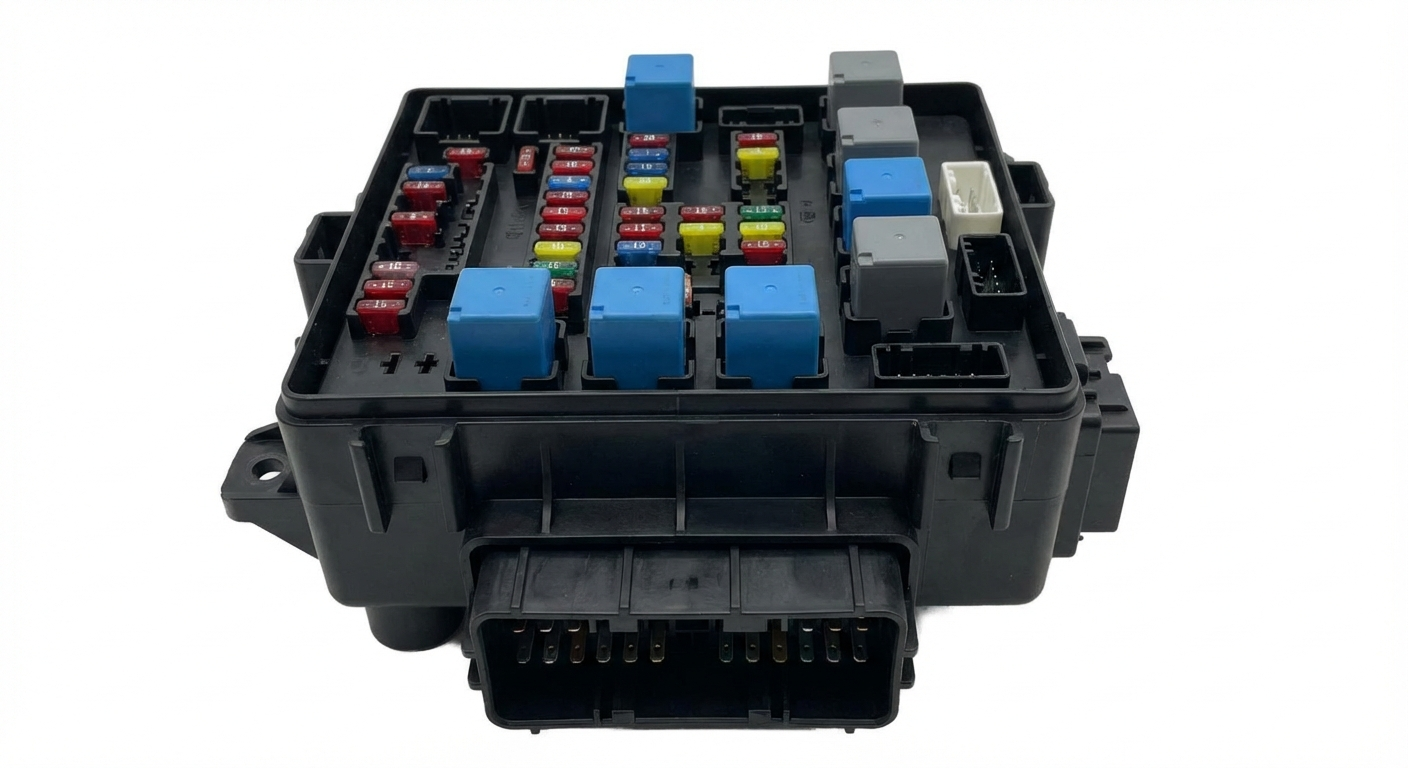
- A failing fuse box (PDC) is a common cause of engine stalling and widespread electrical problems in the 2016-2026 Durango.
- You MUST match the OEM part number exactly. There are different versions for vehicles with/without options like Auto Start-Stop.
- Replacement almost always requires programming. A new unit needs dealer programming, while a used one likely needs a 'proxy alignment' by a qualified shop.
- Before replacing the PDC, always have your battery professionally tested. A weak battery can cause identical, confusing electrical symptoms.
Known Issues, Recalls, and Technical Service Bulletins (TSBs)

While the 2016-2026 Dodge Durango hasn't had a single, large-scale recall for the Power Distribution Center (PDC) itself, it shares a history with older Chrysler vehicles known for TIPM (Totally Integrated Power Module) failures. Many of the symptoms are identical.
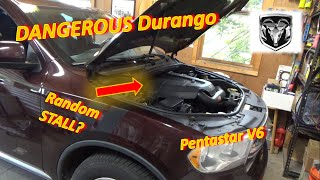
- Stalling and No-Start Conditions: The most alarming issue reported by owners is the engine stalling without warning 🎬 Watch: Diagnosing random stalling and no-start issues in the Durango while driving or a crank-no-start condition in a parking lot. This behavior is often linked to a failure within the PDC's internal fuel pump or powertrain control circuits, similar to the fuel pump relay recall (NHTSA 14V530000) that affected earlier model year Durangos.
- Electrical "Gremlins": A failing PDC is often the culprit behind a host of bizarre electrical issues. Owners report dashboards lighting up with multiple warning lights, windshield wipers turning on by themselves, radios shutting off, and power loss.
- Weak Battery Symptoms: It is critical to note that a weak or failing battery can cause very similar symptoms. Before condemning the fuse box, always have the battery properly load-tested. A battery over five years old is a likely suspect.
- Related Recalls & TSBs: There are numerous electrical system TSBs and recalls for this generation, but they typically address specific software updates for modules like the ABS or powertrain controller, not a wholesale replacement of the PDC. For example, NHTSA campaign 18V332000 was a software update to prevent the cruise control from being unable to disengage.
Symptoms of a Failing Fuse Box (PDC)

Diagnosing a bad PDC can be tricky because the symptoms are often intermittent and can mimic other problems. Here are the most common signs:
- Engine stalls while driving: The vehicle may suddenly shut off in traffic, often with the dash flashing "Shift to P".
- Crank-no-start: The engine turns over but will not fire up, often due to the internal fuel pump relay failing to activate the fuel pump.
- Multiple, random warning lights: The dashboard may light up like a Christmas tree with seemingly unrelated fault indicators.
- Erratic accessory operation: Windshield wipers, horn, or lights may activate on their own or not work at all.
- Parasitic battery drain: A faulty internal relay can get stuck in the "on" position, draining the battery even when the vehicle is off.
- Melted fuses or fuse slots: Some owners have reported specific fuses, like the one for the blower motor, melting into the fuse box itself, indicating a severe internal circuit issue.
- Communication Codes: A scanner may show multiple "U-codes" (e.g., U0100 - Lost Communication with ECM/PCM), indicating the PDC is not communicating properly with other modules.
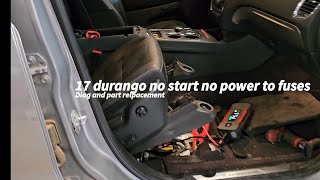
Pro Tip: Before replacing the PDC, check for loose connections. A known issue that can mimic a failed PDC is simply that the main fuses and relays are not fully seated. Press down firmly on all fuses and relays in the box. Also, inspect the battery terminals and main ground connections for looseness 🎬 See how to diagnose a no-crank condition and blown main fuse or corrosion.
Variant Differences: A Critical Warning

Not all fuse boxes for the 2016-2026 Durango are the same. There are specific versions based on vehicle options, and using the wrong one will cause problems. This is the most common mistake buyers make.
- With/Without Auto Start-Stop: The primary variation is for vehicles equipped with the automatic engine start-stop feature. The PDCs are different and not interchangeable.
- With/Without Vehicle Tracking: Some part numbers are specific to vehicles equipped with a factory vehicle tracking system (often for fleet or law enforcement models).
Warning: You MUST match the part number from your original fuse box exactly. Do not rely on visual comparison alone. The part number is typically found on a sticker on the side of the unit.
Programming and Installation

This is the most important question for anyone replacing this part: Does it need to be programmed?
The answer is, most likely, yes.
- New OEM Units: A brand new PDC from a dealer will absolutely require programming to the vehicle. The dealer uses their proprietary software to configure the module for your Durango's specific VIN and options (like engine size, trim level, power seats, etc.).
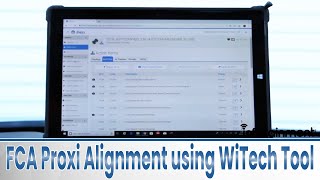
- Used OEM Units: A used PDC from a donor vehicle may sometimes work without programming IF it comes from a vehicle with the exact same options. However, it is more likely that it will require a "proxy alignment". This is a procedure that uses a high-end scan tool to sync all the vehicle's modules, allowing the new (used) PDC to be recognized 🎬 Watch: Step-by-step tutorial on performing a Proxi Alignment and function correctly.
- Remanufactured Units: Some companies sell remanufactured PDCs that are pre-programmed to your VIN. You provide your VIN when ordering, and they flash the unit before shipping it, making it a true plug-and-play installation.
An independent shop with advanced diagnostic tools (like a J2534 pass-thru device and a subscription to FCA's Tech Authority) can perform programming and proxy alignments. However, not all shops have this capability, so you must confirm with them beforehand. A DIY replacement is only feasible if you are using a pre-programmed remanufactured unit or are prepared to have the vehicle towed to a shop for programming after the physical swap.
Buying a Used Fuse Box
A used OEM Power Distribution Center is a great way to save money, often costing a fraction of a new dealer part. Given the high cost of new units, a quality used part is the most practical option for many owners.
- Match the Part Number EXACTLY: This is the golden rule. Find the Mopar part number on your original unit and match it to the letter. The initial data lists many compatible numbers; verify yours against this list and the seller's part.
- Verify Vehicle Options: When possible, confirm the donor vehicle's options. Did it have Auto Start-Stop? Was it a V6 or V8? The closer the match, the higher the chance of a smooth installation.
- Inspect for Physical Damage: Carefully inspect the used unit. Look for signs of water intrusion (corrosion, water lines), melted plastic around the terminals, or broken connector tabs. Reject any unit with green or white corrosion on the pins.
- Buy from a Reputable Source: Purchase from an auto recycler that offers a warranty. This protects you in case the part is defective.
Cost Breakdown
| Part Type | Estimated Cost | Notes |
|---|---|---|
| New OEM | $1,200 - $1,350+ | Purchased from a dealership. Requires dealer programming. |
| New Aftermarket | $65 - $150 | Brands like Dorman. Quality and compatibility can be a concern. May still require programming. |
| Used OEM | $100 - $400 | Best value. Must match part number exactly. May require proxy alignment. |
| Remanufactured (Pre-Programmed) | $400 - $600 | Often sold as a plug-and-play solution, pre-flashed to your VIN. |
| Shop Labor (Installation & Programming) | $150 - $400 | Includes physical swap and programming/proxy alignment. |
Frequently Asked Questions (FAQ)
Is this the same as a TIPM?
Functionally, yes. While Chrysler/Dodge now calls it a Power Distribution Center (PDC), it serves the same purpose as the older, notoriously problematic Totally Integrated Power Module (TIPM). It's an intelligent computer that controls the vehicle's electrical systems, not just a simple fuse holder.
Can I just swap the fuses and relays from my old box to a new one?
Yes, and you will likely have to. Most new and used fuse boxes are sold as bare units. You will need to carefully transfer all the fuses and plug-in relays from your old box to the replacement. However, this will not fix the problem if the failure is in the PDC's internal, non-serviceable relays, which is often the case.
What happens if I install the wrong fuse box?
If you install a PDC that is not compatible with your vehicle's options (like Auto Start-Stop), you will likely experience immediate problems. Certain features may not work, you may have persistent warning lights, and the vehicle may not start at all.
Can I fix my old fuse box?
For the average person, no. The most common failures are internal relays soldered to a multi-layer circuit board. However, there are specialized electronic repair services that can repair your original unit. This involves mailing your PDC to them for repair and then having it shipped back. This can be a good option if you want to avoid programming issues, as the original module is retained.
Helpful Videos
Technical Specifications
OEM Part Numbers: 68251629AB 68251629AC 68251629AD 68320923AC 68320923AD 68320923AF 68417608AB 68425215AA 68425215AB 68425216AA 68425216AB 68467215AB 68503052AA 68503052AB 68603062AB
The Power Distribution Center is located in the engine compartment, on the passenger side near the jump-start posts. It is an integrated control module, not just a passive fuse holder.
We Have This Part in Stock





The information in this article is provided for general reference and educational purposes only. Vehicle specifications, procedures, and part compatibility can vary by production date, trim level, and region. Always consult your vehicle's factory service manual and verify part numbers before purchasing or performing repairs. Safety-critical components such as airbags, seat belts, and braking systems should be installed by a qualified professional.
- Dodge Durango: