

Fuse Box Guide: 2017-2024 Pacifica, 2021-24 Grand Caravan, 2020-22 Voyager
This guide demystifies the complex fuse box (Power Distribution Center) for the Chrysler Pacifica, Grand Caravan, and Voyager, focusing on common electrical failures and how to select the correct used part.
- Compatibility is critical and complex; you must match the fuse box to your vehicle's specific options like powertrain (Gas/Hybrid), Auto Stop/Start, and Tow Package.
- The fuse box (PDC) does NOT require programming. It is a direct swap.
- Many strange electrical issues on these vans are caused by weak main or auxiliary batteries, not a bad fuse box. Always test batteries first.
- When buying used, inspect carefully for signs of melting or corrosion, and confirm whether fuses and relays are included.
Symptoms of a Failing Fuse Box

Problems with the Power Distribution Center (PDC) can be difficult to diagnose because they often mimic other issues. Symptoms can be intermittent and affect multiple, seemingly unrelated systems at once.
- Multiple Unrelated Electrical Failures: This is the most common sign. For example, the power windows, radio, and dashboard lights might all stop working simultaneously.
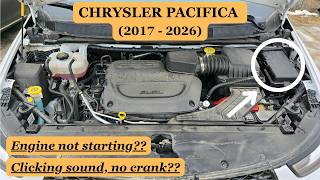
- No-Start or Intermittent Start: The engine may crank but not start, or fail to crank at all. You might hear a single click from the starter relay inside the fuse box. In some cases, the vehicle may start after waiting some time.
- Parasitic Battery Drain: A classic symptom is a battery that dies overnight or after a short period of non-use. This can be caused by a short circuit within the PDC that keeps a component active even when the vehicle is off. Owners have reported issues like dashboard lights turning on and off every 30 seconds with the vehicle shut down, leading to a dead battery.
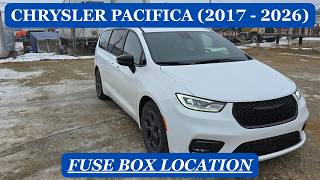
- Visible Damage or Burning Smell: A visual inspection may reveal melted plastic around fuse or relay terminals, discoloration, or a distinct electrical burning smell coming from the fuse box area. 🎬 Watch: How to locate the fuse box on your van This indicates a severe short or overload.
- Specific Systems Inoperative: Sometimes, a failure is isolated to a single circuit within the PDC. For instance, the fuel pump may not receive power (leading to a crank-no-start), or the 🎬 Watch: How to find the starter fuse and relay cooling fans may not activate.
Known Issues, Recalls, and Technical Service Bulletins (TSBs)

While there are no widespread recalls specifically for the fuse box assembly itself, these vans are known for a variety of electrical issues that can be related to or misdiagnosed as a bad fuse box.
- TSB S2108000038: Released for the 2021 Pacifica, this TSB addresses conditions including "Multiple Electrical Issues, No Start No Crank, Battery Lamp On, Power Sliding Doors, Power Seat Functions Inoperative." While often related to battery issues, these symptoms can point to the PDC.
- Parasitic Drains: A known issue involves faulty wiring in the power sliding door harness, which can cause the vehicle's computers not to shut down properly, leading to a dead battery. This is often misdiagnosed as a bad battery or a faulty fuse box.
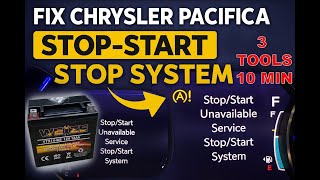
- Start/Stop System Problems: Many owners report issues with the "Service Start/Stop System" warning light. This is almost always caused by a failing auxiliary battery, not the main fuse box. 🎬 See this step-by-step guide to replacing the auxiliary battery However, the complex dual-battery system can cause confusing electrical symptoms that lead mechanics to suspect the PDC.
Pro Tip: Before condemning the fuse box, always have both the main and auxiliary batteries (if equipped with Start/Stop) properly load tested. The batteries must be disconnected from the vehicle and each other to get an accurate reading. Many electrical gremlins on these vans are simply due to a weak battery.
Buying a Used Fuse Box: A Step-by-Step Guide

Purchasing a used OEM fuse box is a smart way to save money, as new units can be expensive. However, due to numerous variations, you must match the part precisely. An incorrect fuse box can cause major electrical problems or simply not work.
CRITICAL: Verifying Compatibility
The initial data for these vehicles shows many variations. You MUST match your original part number. If you cannot find a part number, use the following checklist to narrow down the options with the seller:
- Powertrain: Is your vehicle a 3.6L Gasoline model or a Hybrid? The fuse boxes are different and not interchangeable.
- Engine Stop/Start (ESS) System: Does your gasoline model have the automatic engine stop/start feature? This requires a different PDC to manage the dual-battery system.
- Factory Tow Package: Vehicles equipped with a factory tow package have different wiring and fuse box configurations. Verify if your van has this option.
- Vehicle Tracking System: Some fleet or commercial vehicles were equipped with a factory vehicle tracking system (VTS), which can also change the required fuse box.
Warning: Some fuse boxes are sold as the housing assembly only, without any fuses or relays. Be sure to confirm with the seller what is included. You will likely need to transfer your old fuses and relays to the new unit, or purchase new ones.
Physical Inspection Checklist
Once you have a potential replacement, inspect it carefully:
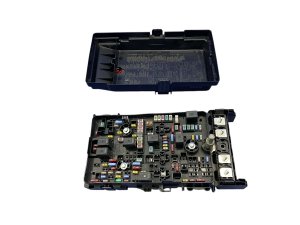
- Check for Corrosion: Look for any white or green crusty buildup on the terminals, especially on the underside where the main harnesses connect. Water intrusion is a common killer of electronic modules.
- Inspect for Melted Plastic: Carefully check each fuse and relay socket for signs of melting or discoloration. This indicates a past major short circuit, and the box should be rejected.
- Examine All Connector Pins: Look at the large connectors on the bottom of the fuse box. Ensure all pins are straight, clean, and not pushed back into the connector.
- Check for Broken Tabs: Make sure all plastic mounting tabs and the cover latches are intact.
Programming and Installation
Does the Fuse Box Need to Be Programmed?
For the Chrysler Pacifica, Grand Caravan, and Voyager, the main engine compartment fuse box (PDC) is generally considered a non-programmable part. It does not store the vehicle's VIN or require special software flashing upon installation. It is a passive component that directs power. My research found no evidence that a dealer visit is required for programming after a replacement.
Replacement Overview
Replacing the fuse box is a feasible DIY job for someone with moderate mechanical skill.
- Disconnect the Battery: Always disconnect the negative terminal of the main battery before working on any major electrical components.
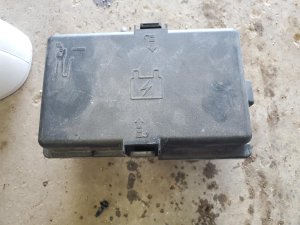
- Remove the Cover: Unlatch the fuse box cover.
- Unbolt Main Power Feeds: There will be one or more large-gauge wires bolted to the side of the fuse box that come directly from the battery. Remove these nuts and wires.
- Release Connectors: The main wiring harnesses connect to the underside of the fuse box. There are typically large lever-lock connectors that need to be unlatched and swung open to release them.
- Unclip the Housing: The fuse box housing is clipped into a larger tray or bracket. Carefully release these clips to lift the box out.
- Transfer Fuses/Relays (if needed): If your replacement box is a bare housing, you will need to carefully move every fuse and relay from your old box to the new one, one by one, to ensure they go in the correct spots. Use the fuse diagram on the inside of the cover for reference.
- Installation: Installation is the reverse of removal. Ensure all connectors are fully seated and locked, and that the main power cables are tight.
Cost of Replacement
Prices can vary based on the specific part number and included components (fuses, relays, etc.).
| Part Type | Estimated Cost |
|---|---|
| New OEM | $350 - $550 |
| New Aftermarket | $250 - $400 (Limited availability) |
| Used OEM | $100 - $250 |
| Shop Labor | $150 - $250 |
Part Number Reference
This is a partial list of known part numbers. Always match your specific part number, as many variations exist. Some numbers may refer to the housing, cover, or a complete assembly.
| Part Number | Known As |
|---|---|
| 68239267AC | Power Distribution Center Bracket |
| 68308843AA | Power Distribution Center Cover |
| 68260128AB | Pre Fuse Box / Fuse Box Assembly |
| 68491077AC | Intelligent Power Distribution Center |
| 68233193AD | Fuse Box / PDC |
| 68338717AF | Fuse Box / PDC (often a revision of earlier numbers) |
Frequently Asked Questions (FAQ)
My mechanic says I need a new fuse box, but the car starts fine. Is that possible?
Yes. The fuse box has many separate internal circuits. A failure can affect just one system, like the power sliding doors or the radio, while the circuits for the engine and starting systems remain functional.
Do I need to buy all new fuses and relays for my used fuse box?
Not necessarily. If your original fuse box did not suffer from a major meltdown or water damage, you can usually transfer your existing fuses and relays to the replacement unit. Inspect each one as you move it. However, if the replacement fuse box comes complete with fuses, it's often best to use them after verifying they are the correct amperage ratings according to the diagram on the lid.
Can a bad fuse box cause a check engine light?
Yes. If the fuse box fails to supply proper voltage to the Engine Control Module (ECM), transmission controller, or various sensors, it can trigger a multitude of diagnostic trouble codes (DTCs) and illuminate the check engine light. For example, a loss of communication code (U-series) could point to a power supply issue from the fuse box.
Why are there so many different part numbers for the same fuse box?
The different part numbers correspond to specific vehicle configurations (Gas/Hybrid, Tow Package, Stop/Start system). Additionally, manufacturers often release updated versions of a part to fix problems or change suppliers; these revisions are indicated by a change in the last two letters of the part number (e.g., ending in AC, then AD, then AE).
Helpful Videos
Technical Specifications
OEM Part Numbers: 63515316001 63565509 68239267AC 68260128AB 68308843AA 68453710AA 68478064AA 68233193AD 68266684AC 68338717AC 68338717AD 68338717AE 68338717AF
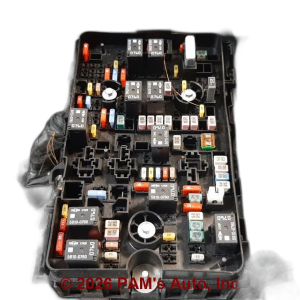
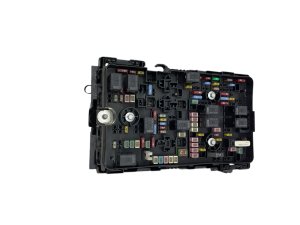
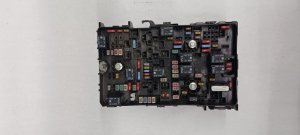
Located in the engine compartment on the driver's side, near the battery. Contains a mix of micro fuses, mini fuses, J-case fuses, and relays that control all vehicle electrical functions.
We Have This Part in Stock


The information in this article is provided for general reference and educational purposes only. Vehicle specifications, procedures, and part compatibility can vary by production date, trim level, and region. Always consult your vehicle's factory service manual and verify part numbers before purchasing or performing repairs. Safety-critical components such as airbags, seat belts, and braking systems should be installed by a qualified professional.
- Chrysler Pacifica:
- Chrysler Grand Caravan:
- Chrysler Voyager:
- 🎬 Helpful Videos
- 🛍️ Shop This Part
- Symptoms of a Failing Fuse Box
- Known Issues, Recalls, and Technical Service Bulletins (TSBs)
- Buying a Used Fuse Box: A Step-by-Step Guide
- CRITICAL: Verifying Compatibility
- Physical Inspection Checklist
- Programming and Installation
- Does the Fuse Box Need to Be Programmed?
- Replacement Overview
- Cost of Replacement
- Part Number Reference
- Frequently Asked Questions (FAQ)
- 🎟️ Get 5% Off