

2014-2020 Chevrolet Impala Engine Fuse Box: Solving Electrical Faults & Part Number Puzzles
This guide covers common failures, complex part number matching, and programming needs for the 10th generation Chevrolet Impala engine bay fuse block.
- Matching the printed part number on your original fuse box is the most critical step for ensuring compatibility.
- A replacement fuse box, new or used, MUST be programmed to the vehicle's VIN by a dealer or properly equipped shop to function.
- For 2014 models, verify you have the 'New Style' Impala (4th VIN digit is '1') and not the 'Impala Limited'.
- Before condemning the fuse box, check for simple issues like a bad battery, loose connections, and the power steering ground recall (NHTSA 14V450).
A Critical First Step: Is Your 2014 an Impala or an Impala Limited?

For the 2014 model year, Chevrolet sold two different versions of the Impala. This guide applies only to the redesigned 10th generation model, often called the 'New Style'. The easiest way to confirm you have the correct model is to check the 4th digit of your Vehicle Identification Number (VIN). If the 4th digit is a '1', you have the 10th generation Impala this article covers. If it is a '2', you have the 'Impala Limited', which is a continuation of the older 9th generation body style and uses different parts. Always verify your model before purchasing parts.
Symptoms of a Failing 2014-2020 Impala Fuse Box

Fuse box failure can be difficult to diagnose because it often causes symptoms in other unrelated systems. If you experience several of the following issues at once, the fuse box itself may be the root cause.
- Multiple Unrelated Electrical Failures: This is the most common sign. For example, the radio, power windows, and fuel pump may stop working simultaneously.
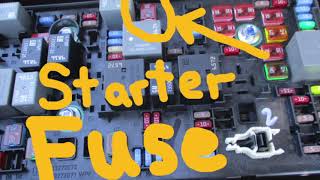
- No-Start or Intermittent Start: The fuse box controls power to the starter relay and fuel pump. A fault within the box can prevent the engine from cranking or starting. 🎬 See how to find and replace the starter fuse
- Flickering Lights or Gauges: Intermittent power connections inside the fuse box can cause dashboard lights, headlights, or interior lights to flicker.
- Visible Corrosion or Damage: A physical inspection may reveal white, green, or blue powder-like corrosion on the terminals, which indicates water intrusion.
- Melting Plastic or Burning Smells: A strong burning odor or melted plastic around a specific fuse or relay socket points to a severe short circuit and excessive heat, which can damage the box internally.
- Frequently Blowing Fuses: If a specific fuse blows repeatedly even after replacing the component it protects, the fault may lie within the fuse terminal or internal circuitry of the box itself.
Known Issues, Recalls, and Technical Service Bulletins (TSBs)

While there are no widespread recalls for the fuse box itself, several related electrical issues on the 2014-2020 Impala are important to know about during diagnosis.
- NHTSA Recall 14V450: Some 2014 Impala models were recalled for a poor electrical ground connection to the Power Steering Control Module (PSCM). This could cause a sudden loss of power steering. Before suspecting the fuse box, ensure this recall repair, which involves cleaning the ground connection, has been performed.
- NHTSA Recall 13V220: A recall was issued for the 2013-2014 Impala requiring the Body Control Module (BCM) to be reprogrammed to fix an issue with brake light function. This highlights the importance of software and programming in the vehicle's electrical system.
- Water Intrusion: Though not subject to a specific recall, underhood fuse boxes are susceptible to water damage if the cover is not sealed correctly. This can lead to corrosion and unpredictable electrical problems.
Pro Tip: Before replacing the fuse box, always check the main battery connections and primary ground straps for tightness and corrosion. A loose or corroded ground can cause many of the same symptoms as a failing fuse box.
Buying a Used Fuse Box: What to Look For

A used OEM fuse box can be a cost-effective and reliable alternative to an expensive new unit, provided you choose carefully. Cheap aftermarket copies often have lower quality internal components that can fail prematurely or cause new, hard-to-diagnose issues.
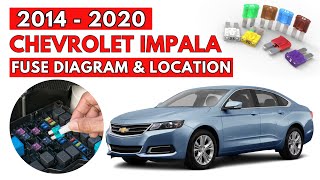
- Match the Part Number EXACTLY: This is the most important rule. Due to variations in engines and model years, several different fuse boxes were used. Do not rely on visual appearance alone. The part number is printed on a sticker 🎬 Watch: A complete guide to fuse box locations and diagrams on the side of the fuse box. You must match this number to your original part to ensure compatibility.
- Physical Inspection: Carefully inspect the used unit. Look for any signs of white or green corrosion on the pins or connectors. Check for any melted plastic around the fuse or relay sockets. Ensure the outer casing is not cracked or damaged, which could compromise its seal.
- Check the Connector Pins: Look at the large connectors on the bottom or sides. All pins should be straight, clean, and free of corrosion. A single bent or corroded pin can prevent the unit from working.
- Source Vehicle History: If possible, avoid parts from flood-damaged vehicles. A fuse box from a vehicle with collision damage is generally a safer bet than one from a car that was submerged in water.
Decoding Part Numbers
Compatibility is complex. Always use the number on your original part as the final word. The information below is a general guide based on manufacturer catalogs.
| Part Number | Known Fitment | Notes |
|---|---|---|
| 84080463 | 2017-2020 Chevrolet Impala w/ 3.6L V6 Engine | This part number supersedes (replaces) 23299787. |
| 23299787 | 2016 Chevrolet Impala w/ 3.6L V6 Engine | Also used on some earlier models. Replaced by 84080463. |
| 23299790 | 2016-2019 Chevrolet Impala w/ 2.5L 4-Cyl Engine | Verify with your original part number. |
| 22950967 | 2014-2015 Chevrolet Impala w/ 2.5L 4-Cyl Engine | Verify with your original part number. |
Programming and Installation Requirements
Warning: A replacement fuse box for a 2014-2020 Impala is NOT a simple plug-and-play part. It must be programmed to your vehicle's specific VIN and options.
Modern fuse boxes contain microprocessors and communicate with other modules in the car. After installing a replacement unit (even a used OEM one), it must be configured using special software. Without proper programming, you may experience a range of issues, including:
- The vehicle may not start.
- Features like power windows, radio, or climate control may not work.
- Warning lights, such as the airbag or check engine light, may illuminate.
This programming requires a dealer or an independent repair shop that has a subscription to GM's Technical Information System (TIS) or ACDelco TDS and a compatible J2534 pass-thru device or high-end scan tool. While a DIYer can perform the physical swap to save on labor costs, the vehicle will likely need to be taken to a shop for the final programming step.
Cost to Replace a 2014-2020 Impala Fuse Box
| Part/Service | Estimated Cost |
|---|---|
| New OEM | $200 - $350 |
| New Aftermarket | Not commonly available |
| Used OEM | $50 - $150 |
| Shop Labor (Physical Swap) | $100 - $200 |
| Shop Labor (Programming) | $125 - $250 |
Frequently Asked Questions (FAQ)
Does a used fuse box need to be reprogrammed?
Yes. Any replacement fuse box, whether new or used, must be programmed to your vehicle's VIN and specific options. Failure to do so will likely result in a no-start condition or malfunctioning electrical systems.
Where is the engine fuse box located on the 2014-2020 Impala?
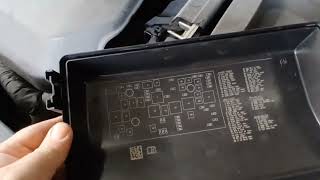
The main engine compartment fuse box is located on the driver's side of the engine bay, near the battery. It is a black 🎬 Watch: Locate your under-hood fuse box and OBD2 port plastic box with a removable cover.
Can I just replace a bad relay inside the fuse box?
It depends. While many of the standard 'ice cube' style relays are individually replaceable, some modern fuse boxes have relays that are soldered directly to the internal circuit board. If a soldered relay fails, the entire fuse box assembly must be replaced.
Why did my fuse box fail?
The most common causes of failure are water intrusion from a poorly sealed cover, which leads to corrosion, and internal short circuits caused by electrical overloads or component failure. Vibration and heat cycles over many years can also cause internal connections to fail.
Helpful Videos
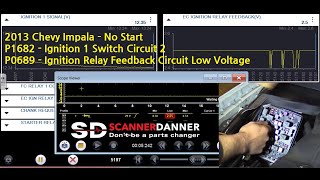
Technical Specifications
OEM Part Numbers: 13222781 13289599 20981710 20981711 22950967 23299787 23299788 23299790 23505328 84080463 84080464
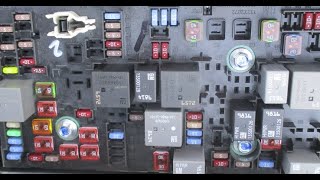
The underhood fuse box is located in the engine compartment on the driver's side, near the battery. It contains a mix of mini fuses, J-case fuses, and relays that control all major vehicle electrical systems.
We Have This Part in Stock



The information in this article is provided for general reference and educational purposes only. Vehicle specifications, procedures, and part compatibility can vary by production date, trim level, and region. Always consult your vehicle's factory service manual and verify part numbers before purchasing or performing repairs. Safety-critical components such as airbags, seat belts, and braking systems should be installed by a qualified professional.
- Chevrolet Impala:
- 🎬 Helpful Videos
- 🛍️ Shop This Part
- A Critical First Step: Is Your 2014 an Impala or an Impala Limited?
- Symptoms of a Failing 2014-2020 Impala Fuse Box
- Known Issues, Recalls, and Technical Service Bulletins (TSBs)
- Buying a Used Fuse Box: What to Look For
- Decoding Part Numbers
- Programming and Installation Requirements
- Cost to Replace a 2014-2020 Impala Fuse Box
- Frequently Asked Questions (FAQ)
- 🎟️ Get 5% Off