

2011-2019 Cadillac CTS & ATS Underhood Fuse Box: A Guide to Part Numbers, Problems, and Replacement
This guide covers the common failure points, critical compatibility details, and replacement costs for the underhood fuse box in the 2011-2019 Cadillac CTS and 2013-2019 Cadillac ATS.
- You MUST match the OEM part number from your original fuse box exactly due to variations for headlights, engine options, and other features.
- This part does NOT require any programming or flashing; it is a direct plug-and-play replacement.
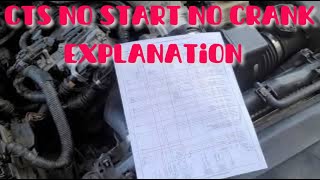
- Before replacing the fuse box for a no-start issue, check the main ground cable connection next to it for tightness, as a loose connection is a common problem.
- Used fuse boxes are a reliable and cost-effective option, but they typically do not include fuses or relays—you must transfer them from your old unit.
Symptoms of a Failing Fuse Box

A problem with the underhood fuse box can manifest in various ways, often mimicking other component failures. Because it controls so many different systems, symptoms can be widespread and seemingly unrelated.
- Multiple Unrelated Electrical Failures: One of the most common signs is when several different electrical components stop working at once. For example, the radio, power windows, and interior lights might all fail simultaneously.
- No-Crank, No-Start Condition: The vehicle may have power to the lights and accessories, but the engine refuses to crank or start. This can happen if the fuse box isn't properly energizing the starter relay or the engine control module (ECM).
- Intermittent Electrical Issues: Components may work one moment and fail the next. This can be caused by loose internal connections, corrosion, or heat-related expansion and contraction within the fuse box.
- Engine Stalling: An electrical short or loss of connection within the fuse box can cut power to critical components like the fuel pump or ignition system, causing the engine to stall while driving.
- Visible Damage or Burning Smell: A strong smell of burning plastic or visible signs of melting, charring, or corrosion around the fuses and relays is a clear indication of a serious problem within the box.
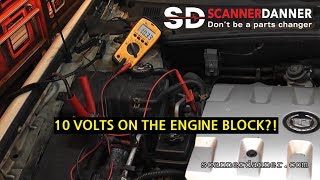
- Loose Ground Cable Connection: While not a failure of the box itself, a common issue on these vehicles is a loose main ground cable right next to the fuse box. This creates high resistance, generating extreme heat that can burn you, and causes a no-crank or intermittent starting condition that is often misdiagnosed as a bad fuse box.
Known Issues, Recalls, and Technical Service Bulletins (TSBs)

While there are no widespread recalls specifically for the underhood fuse box on these models, several electrical system recalls are worth noting:
- GM Recall 14515 (NHTSA 14V-614): Affecting 2013-2014 Cadillac CTS models, this recall was for a chassis electronic module that could be internally contaminated, leading to an electrical short and potential stalling. While not the fuse box itself, it highlights the sensitivity of the vehicle's electrical systems.
- GM Recall 13158 (NHTSA 13V-248): This recall for 2013 Cadillac ATS and XTS models involved reprogramming the body control module (BCM) to correct an issue where brake lamps could flash intermittently without the brakes being applied.
The most common real-world failure mode reported by owners is not a manufacturing defect, but rather damage from external sources. Water intrusion from clogged cowl drains or a poorly sealed windshield can allow water to drip onto the fuse box, causing corrosion and short circuits. Another frequent issue is a loose main ground connection at the chassis next to the fuse box, which can cause a variety of no-start and electrical problems.
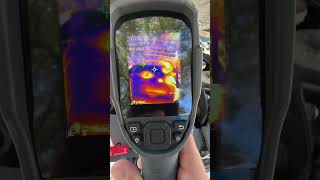
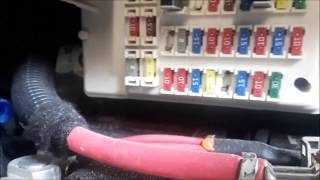
Pro Tip: Before replacing the fuse box for a no-start condition, carefully check the main ground cable connection next to it. A video has shown this cable becoming so hot from a poor connection that it measured over 360°F and could cause severe burns. 🎬 Watch: Hot loose ground cable video Tightening this connection can often resolve the issue without needing a new fuse box.
Variant and Compatibility Differences

Matching the part number is absolutely critical when buying a replacement fuse box. These vehicles were offered with numerous options that required different internal wiring within the fuse box. A fuse box from a car with different options may look identical but will not function correctly.
Key Compatibility Factors:
- Headlamp Type: There are different fuse boxes for vehicles with standard halogen headlamps versus those with Xenon (HID) headlamps.
- Engine Stop/Start (ATS): Cadillac ATS models equipped with the automatic engine stop/start feature (RPO code KL9) use a specific fuse box. Part numbers like 84014012 are often specified for this option.
- Engine Type (CTS): The fuse box for the 2.0L and 3.6L CTS models is different from the one used in the high-performance V-Series models.
- Model Year Changes: The internal circuitry and fuse layouts can change between model years. Always verify the part number from your original unit.
Warning: Do not attempt to install a fuse box just because it looks the same or came from the same model and year. You must match the OEM part number on your original unit to the replacement part to ensure all vehicle features will work correctly.
Buying a Used Fuse Box
A used OEM fuse box is an excellent, cost-effective alternative to a new part from the dealer. Since these units are primarily power distribution centers without complex programmable logic, a well-inspected used part can provide the same performance and longevity as a new one.
What to Inspect:
- Check for Corrosion: Carefully examine all electrical pins and connectors, both on the top where relays plug in and on the bottom where the main harnesses connect. Look for any signs of green or white crusty deposits, which indicate water damage.
- Look for Heat Damage: Inspect the plastic around each fuse and relay socket. Any melting, warping, or discoloration is a major red flag indicating a past short circuit or overload.
- Verify Part Number: The most important step. Locate the OEM part number on the sticker of the used fuse box and ensure it is an exact match or a listed superseding number for your original part.
- Physical Integrity: Check for any cracks in the housing or broken mounting tabs that could compromise its seal or secure fitment.
- Fuses and Relays Not Included: Be aware that used fuse boxes are almost always sold as a bare housing. You will need to carefully transfer all fuses and relays from your old unit to the new one. It's a good practice to inspect each fuse as you move it.
Programming and Installation
The underhood fuse box (UBEC) on the Cadillac CTS and ATS is a non-programmable component. It does not need to be flashed, coded, or programmed to the vehicle's VIN. It is a direct replacement part, which makes installation straightforward for a DIY mechanic.
Installation Steps Overview:
- Disconnect the Battery: This is the most important safety step. Disconnect the negative terminal of the battery, which is typically located in the trunk on these models.
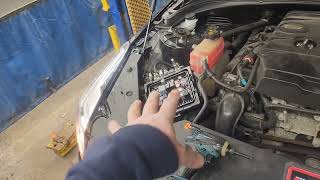
- Access the Fuse Box: The fuse box is located on the passenger side of the engine bay under a plastic cover. 🎬 Watch: Finding Cadillac CTS fuse box locations
- Remove Covers: Remove the main engine bay plastic trim and then the fuse box lid itself.
- Disconnect Harnesses: Carefully release the locking tabs on the large electrical connectors on the underside and sides of the fuse box and disconnect them.
- Unbolt and Remove: Remove the mounting bolts or release the clips holding the fuse box in place and lift it out of the vehicle.
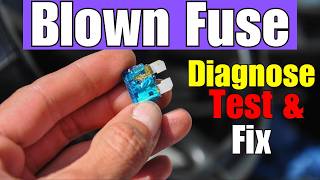
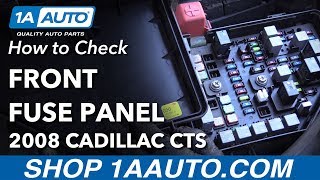
- Transfer Fuses and Relays: Take a clear photo of your original fuse box layout. One by one, transfer every fuse and relay from the old box 🎬 See how to replace front fuses to the exact same position in the replacement box.
- Install New Box: Re-install the new fuse box, reconnect all electrical harnesses, and re-attach the covers.
- Reconnect Battery: Reconnect the negative battery terminal and test all vehicle functions.
Cost Comparison
Prices for the underhood fuse box can vary significantly based on the source and condition of the part.
| Part Type | Estimated Cost |
|---|---|
| New OEM | $200 - $350 |
| New Aftermarket | Not commonly available |
| Used OEM | $75 - $175 |
| Shop Labor | $100 - $200 |
Frequently Asked Questions (FAQ)
Does a replacement fuse box need to be programmed for a Cadillac CTS or ATS?
No, the underhood fuse box does not require any programming, flashing, or coding. It is a direct-swap component.
Are the fuse boxes for the CTS and ATS interchangeable?
Not necessarily. While they are based on a similar platform, different options, engines, and model years mean you must match the part number from your specific vehicle exactly. Do not assume a part is interchangeable based on the vehicle model alone.
My car won't start, but all the fuses look good. Could it still be the fuse box?
Yes. The problem could be an internal break in a circuit, a corroded connection where a relay plugs in, or a bad connection on the main harness underneath. Also, be sure to check the main ground cable next to the fuse box for tightness and signs of heat, as this is a known issue that can cause a no-start condition.
Will a used fuse box come with fuses and relays?
Almost never. You should plan to transfer all the fuses and relays from your original fuse box to the replacement unit. This also ensures you retain the correct amperage ratings for all circuits.
Can a bad fuse box cause OBD-II codes?
Yes, indirectly. An OBD-II scanner will not show a code that says "bad fuse box." However, if the fuse box fails to supply power to a critical sensor or module, like an oxygen sensor or the transmission control module, the scanner will report fault codes for those specific components due to the loss of power or communication.
Helpful Videos
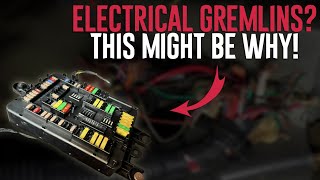
Technical Specifications
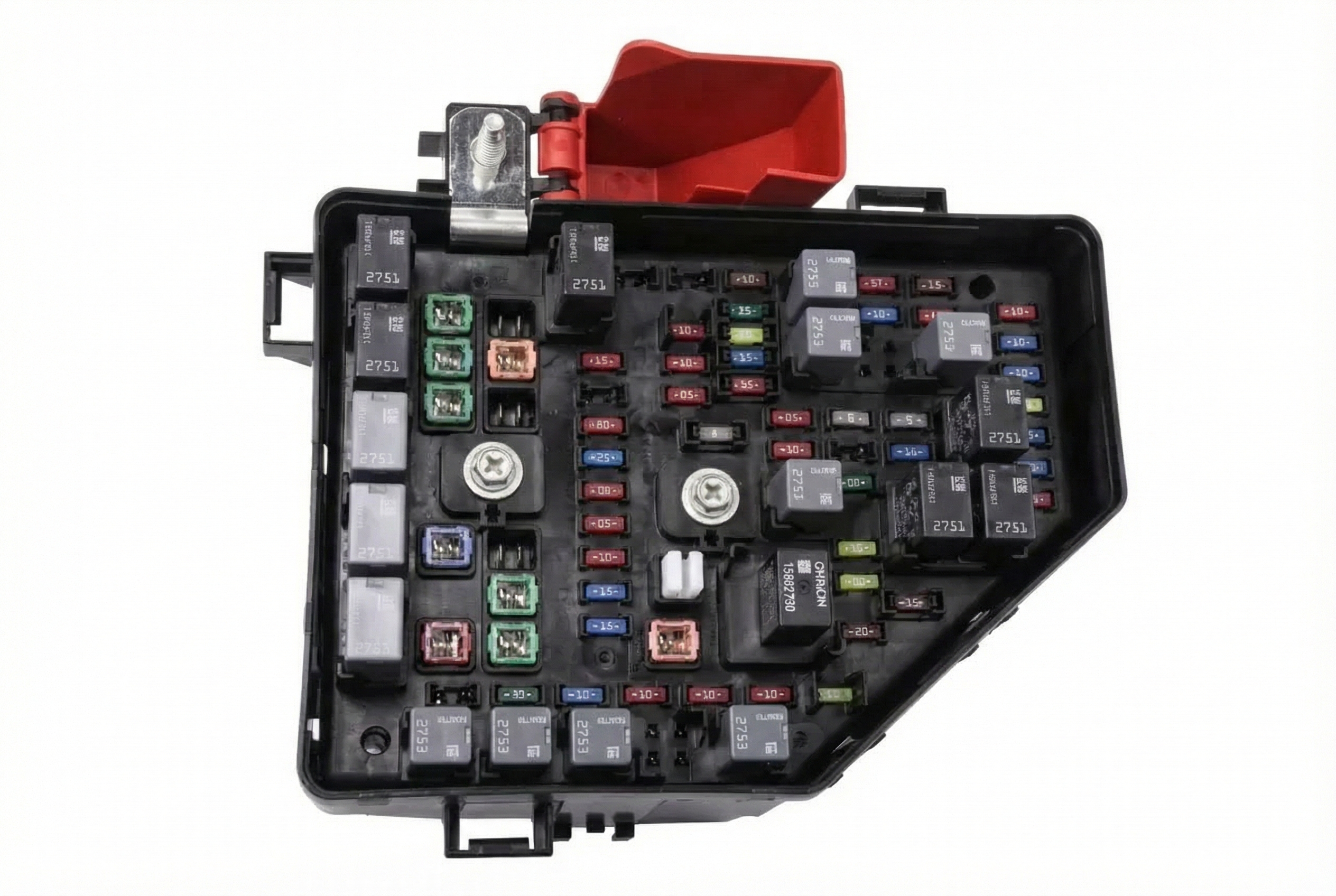
OEM Part Numbers: 20860987 20940094 22888296 22953293 22996929 23218145 23278412 23302493 23390148 23390149 23390150 84014010 84014012 84014013 84152958
Location: Engine bay, passenger side. Type: Underhood Bussed Electrical Center (UBEC). Programming Required: No.
We Have This Part in Stock





The information in this article is provided for general reference and educational purposes only. Vehicle specifications, procedures, and part compatibility can vary by production date, trim level, and region. Always consult your vehicle's factory service manual and verify part numbers before purchasing or performing repairs. Safety-critical components such as airbags, seat belts, and braking systems should be installed by a qualified professional.
- Cadillac CTS:
- Cadillac ATS:
- 🎬 Helpful Videos
- 🛍️ Shop This Part
- Symptoms of a Failing Fuse Box
- Known Issues, Recalls, and Technical Service Bulletins (TSBs)
- Variant and Compatibility Differences
- Key Compatibility Factors:
- Buying a Used Fuse Box
- What to Inspect:
- Programming and Installation
- Installation Steps Overview:
- Cost Comparison
- Frequently Asked Questions (FAQ)
- 🎟️ Get 5% Off