

2013-2017 Buick Regal Fuse Box: The Critical eAssist Compatibility Warning
This guide details the unique Underhood Fuse Block for the 2.4L eAssist Regal, covering programming, known issues, and why part number matching is essential.
- The fuse box for the 2.4L eAssist engine is NOT interchangeable with other Regal engines; you must match the part to the engine type.
- A replacement fuse box, new or used, MUST be programmed to the vehicle's VIN using GM-specific software (SPS).
- Symptoms often include multiple, unrelated electrical failures and network communication codes (U-codes).
- A known TSB links a "Service Power Steering" message to loose connections inside the fuse box.
Known Issues, TSBs, and Recalls

While generally reliable, the 2013-2017 Buick Regal, particularly the 2.4L eAssist model, has some known issues related to the electrical system and the Underhood Fuse Block (UHFB).
Recall for eAssist Models: Generator Control Module (GCM) Failure
GM Recall #13136: This is a significant safety recall for certain 2012-2013 Buick Regal models equipped with the 2.4L eAssist engine. The Generator Control Module (GCM) could malfunction, leading to a gradual loss of battery charge. Symptoms included the illumination of the malfunction indicator light, and if ignored, could result in the engine stalling while driving or the vehicle failing to start. In some cases, it could also cause a burning odor, smoke, or even a fire in the trunk area where some hybrid components are located. The fix involved dealers testing and, if necessary, replacing the GCM free of charge. While this recall doesn't involve the fuse box directly, it highlights the unique electrical complexities of the eAssist system that buyers should be aware of.
TSB: Loose Connections Causing Power Steering Faults
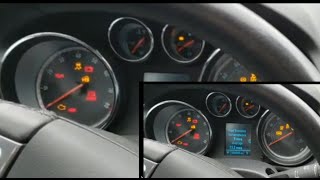
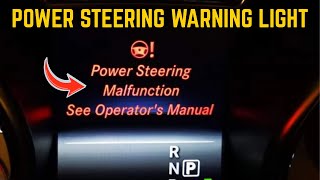
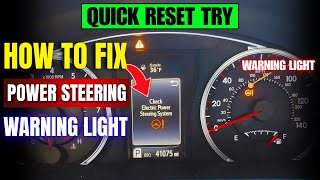
Service Bulletin SB-10043936-6864: Some owners may experience an intermittent "Service Power Steering" message on the dash, potentially accompanied by Diagnostic Trouble Code (DTC) U0131 (Lost Communication with Power Steering Control Module). This issue may not be a fault with the power steering system itself, but rather a poor connection at the UHFB. The technical service bulletin points to a loose B+ (positive battery) feed or loose 80A fuse retaining bolts within the fuse box as the cause. Tightening these connections is the recommended fix. 🎬 Watch: How to troubleshoot and reset power steering warning lights. This is a classic example of a fuse box problem causing symptoms in an unrelated system.
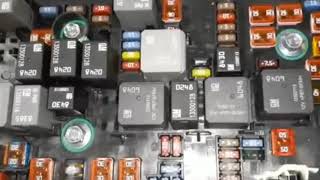
Warning: The Underhood Fuse Block for the 2.4L eAssist mild-hybrid engine (VIN R, 8th digit) is NOT interchangeable with the fuse block from the 2.0L Turbo or other non-eAssist models. The eAssist version has specific circuits and relays for hybrid components like the Battery Pack Interface Module (BPIM) and the Motor Generator Unit (MGU) coolant pump. Using the wrong fuse box will result in system malfunctions.
Symptoms of a Failing Fuse Box

A problem with the UHFB can manifest in many ways, from subtle glitches to a complete no-start. Because it's the hub for so many circuits, symptoms are often widespread and seem unrelated.
- Multiple, Unrelated Electrical Failures: Systems like the radio, power windows, and interior lights failing intermittently or all at once.
- No-Start or Intermittent Start: The engine may not crank, or you may only hear a clicking sound. 🎬 See this walkthrough for diagnosing a no-crank, clicking start issue. Some owners have reported the vehicle shutting down while driving, requiring a battery disconnect to reset the electronics.
- Visible Damage: Obvious signs of trouble include melted plastic around fuse or relay sockets, scorch marks, or a burning smell.
- Corrosion: White or greenish powder-like residue on the terminals indicates water intrusion, which can cause short circuits and poor connections.
- Communication Network DTCs: A failing fuse box can disrupt the vehicle's communication network (CAN bus), triggering a flood of "U" codes, such as U0100 (Lost Communication with ECM/PCM), U0101 (Lost Communication with TCM), or U0131 (Lost Communication with Power Steering Control Module). These codes mean modules can't talk to each other, and the fuse box is a common point of failure for the entire network.
Programming and Calibration Requirements

Yes, a replacement fuse box must be programmed to the vehicle.
The Underhood Fuse Block is a networked module, not just a simple plastic holder. When you install a replacement—even a used OEM unit—it must be programmed to your car's specific Vehicle Identification Number (VIN) and configuration. Failure to program the module will likely result in incorrect operation of various features or a no-start condition.
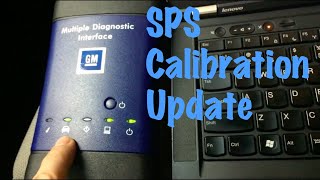
This process is performed using GM's Service Programming System (SPS), which requires a subscription to ACDelco's Technical Delivery System (TDS) and a J2534-compliant passthrough device. A subscription can be purchased on a per-VIN basis for about $40, making it accessible to advanced DIYers or any independent repair shop. When programming a used module, the technician must select the option to "Replace and Program ECU" to overwrite the donor vehicle's VIN with your car's VIN. In some cases, an anti-theft relearn procedure may also be necessary.
Buying a Used Fuse Box
Due to the high cost and limited availability of new OEM fuse blocks, a quality used OEM unit is often the best choice. Here’s what to look for:
- Verify the Engine Type: This is the most important step. You MUST get a fuse box from a donor vehicle with the exact same engine—in this case, the 2.4L eAssist. Part numbers for the eAssist housing (like 13253551) are different from the non-eAssist (84102378) or 2.0L Turbo (23126639) versions.
- Match the Part Number: Find the part number on your original fuse box and match it exactly. There can be multiple valid part numbers for the same application, but an exact match is the safest bet.
- Inspect for Physical Damage: Carefully examine the used part. Look for any signs of melting, especially around the high-amperage fuse sockets. Check all terminals for corrosion or rust. A part with any heat damage or corrosion should be rejected.
- Check the Cover: Ensure the cover is included and that its clips are intact. A missing or damaged cover is often the reason the original fuse box failed due to water intrusion.
- Why Used OEM is a Good Choice: For a complex electronic part like this, a used OEM unit that has been inspected is often more reliable than a new, unproven aftermarket part (if one were even available). It was designed and tested by GM for your specific vehicle.
Cost of Replacement
Replacing the Underhood Fuse Block involves parts and potentially programming labor. New complete assemblies are often marked as "Unavailable" from GM dealers, making used parts the most common option.
| Part Type | Estimated Cost |
|---|---|
| New OEM (Complete Assembly) | $250 - $450+ (If available) |
| New OEM (Housing Only) | $30 - $60 |
| New Aftermarket | Not Generally Available |
| Used OEM (Complete Assembly) | $60 - $150 |
| Shop Labor (Replacement & Programming) | $150 - $300 |
Frequently Asked Questions (FAQ)
Do I absolutely have to program a replacement fuse box?
Yes. The fuse box is a smart device tied into the vehicle's network. It will not function correctly without being programmed to your vehicle's VIN and specific options using GM's SPS software.
Can I use a fuse box from a 2.0L Turbo Regal in my 2.4L eAssist model?
No. The fuse boxes are not interchangeable. The eAssist model has unique circuits for the hybrid system that the 2.0L Turbo model lacks. You must match the part to the engine type.
My mechanic says I need a new fuse box, but the car starts and runs. Is it urgent?
It can be. Symptoms like flickering lights, random warnings, or a burning smell are signs of an impending failure. A key TSB points to loose internal connections causing power steering warnings. A failing fuse box can also leave you stranded without warning. It is best to address the issue promptly.
Can I replace the fuse box myself?
The physical replacement is straightforward for a DIY mechanic: disconnect the battery, unbolt power leads, and swap the harness connectors. However, the final, mandatory step is programming, which requires special software and a passthrough tool. You will need to have a plan for this, either by purchasing the tools and subscription yourself or by having a shop perform the programming after you install the part.
Helpful Videos
Technical Specifications
OEM Part Numbers: 13253551 22928790 23126639 23177244 23465078 13222784 84102378
Houses blade fuses (mini, J-case), relays, and main power distribution terminals. Integrated into the vehicle's CAN bus network. Specific internal circuitry for 2.4L eAssist models.
We Have This Part in Stock



The information in this article is provided for general reference and educational purposes only. Vehicle specifications, procedures, and part compatibility can vary by production date, trim level, and region. Always consult your vehicle's factory service manual and verify part numbers before purchasing or performing repairs. Safety-critical components such as airbags, seat belts, and braking systems should be installed by a qualified professional.
- Buick Regal:
- 🎬 Helpful Videos
- 🛍️ Shop This Part
- Known Issues, TSBs, and Recalls
- Recall for eAssist Models: Generator Control Module (GCM) Failure
- TSB: Loose Connections Causing Power Steering Faults
- Symptoms of a Failing Fuse Box
- Programming and Calibration Requirements
- Buying a Used Fuse Box
- Cost of Replacement
- Frequently Asked Questions (FAQ)
- 🎟️ Get 5% Off