

2004-2012 Bentley Continental Fuse Box Guide: Water Damage, Battery Drain & Component Protection
This guide covers the complex electrical systems, multiple fuse box locations, and critical programming requirements for the Bentley Continental GT, GTC, and Flying Spur.
- These Bentleys have multiple fuse boxes; the main ones are intelligent electronic modules, not simple fuse holders.
- Water intrusion from blocked plenum drains (engine bay) and interior leaks (passenger footwell) is the #1 cause of failure.
- Replacing a main module is NOT plug-and-play due to 'Component Protection.' It requires expensive programming by a dealer or specialist.
- Widespread electrical issues and parasitic battery drain are the most common symptoms of a failing power distribution module.
Symptoms of a Failing Fuse Box or Power Module


Failure in one of the main fuse and relay centers often creates a cascade of electrical problems that can seem unrelated. Because these modules control power and data for many different systems, a single fault can have widespread effects.
- Mysterious Battery Drain: One of the most common symptoms is a parasitic battery drain that kills the main 'house' battery, often overnight or over a few days. This happens when a faulty module fails to go to 'sleep' after the car is turned off.
- Multiple, Random Warning Lights: The dashboard may light up with numerous fault warnings, such as 'Airbag Fault,' 'ABS,' or check engine lights, even if those systems are mechanically sound.
- Loss of Communication Codes: A diagnostic scan may reveal a host of 'U-codes' (e.g., U0146, U0155), indicating that various modules have lost communication with each other. This often points to a failure in a central gateway or power distribution module.
- Non-Functioning Electrical Components: You may experience intermittent or total failure of specific systems. Common examples include power windows and seats not working, wipers activating randomly, tail lights flickering, or the key fob being unrecognized.
- Car Won't Start or Crank: A failure in a critical relay or fuse within one of the main boxes can prevent the car from starting.
Known Issues and Root Causes

Two issues are responsible for the vast majority of fuse box and electrical module failures in these Bentley models: water intrusion and battery voltage problems.
1. Water Intrusion: The Primary Killer
Water damage is the number one cause of failure for these complex electronic modules. Leaks are notoriously common and occur in two main areas:
- Engine Bay Plenum Drains: The area under the windshield wipers, known as the plenum or scuttle, has drain tubes that get clogged with leaves and debris. When these drains block, rainwater fills the chamber and floods the main engine-compartment fuse box and Engine Control Units (ECUs). This is considered the 'Achilles' heel' of the Continental GT platform. 🎬 Watch: How to clean your scuttle and spoiler drains
- Passenger Footwell Leaks: Water can also find its way into the passenger cabin, soaking the carpet. Underneath the passenger-side carpet lies a smaller thermal fuse box that controls the power seats and windows. Corrosion on this unit is a common reason for seat/window failure. 🎬 See this guide on diagnosing and repairing electric seat faults
Warning: Any sign of moisture in the footwells or water pooling in the engine bay scuttle area should be addressed immediately. Allowing it to persist will lead to catastrophic and expensive electronic failures.
2. The Dual-Battery System and Low Voltage
These vehicles use a dual-battery setup in the trunk: a large 'house' or 'systems' battery on the left, and a smaller 'starter' battery on the right. The house battery powers all the vehicle's electronics. When it becomes weak, the car's modules begin to malfunction due to low voltage, generating dozens of spurious fault codes. A persistent parasitic drain, often from a water-damaged module, will repeatedly kill the house battery, leading owners to mistakenly blame the battery itself when it is merely a symptom of a deeper problem.
Fuse Box Locations

These vehicles have several fuse and relay panels. Knowing their locations is essential for diagnosis.
- Driver's Side Fascia Panel: Located under the steering wheel, behind a drop-down panel in the knee roll area. This panel is accessed by pulling a latch from underneath.
- Trunk (Boot) Compartment: Located on the left side of the trunk, behind a removable panel. This is near the main systems battery.
- Engine Compartment (Plenum Chamber): This is the main fuse and relay box. It is the most difficult to access, located under the black plastic scuttle panel at the base of the windshield. The wiper arms must be removed to access it.
- Passenger Footwell: A small thermal fuse box for the seats and windows is located under the passenger-side carpet.
- On-Battery Fuses: High-amperage fuses are located directly on or next to the battery terminals in the trunk. 🎬 Watch: A walkthrough of fuse box and battery locations
Pro Tip: The owner's manual for later models contains diagrams of the fuse layouts for the main panels, but early models often did not include this information. Online forums and digital repair manuals are the best source for specific fuse functions.
Buying a Used Fuse Box: The Component Protection Trap
If you need to replace one of the main intelligent fuse boxes (like the BCM or CCM), buying a used part can save a significant amount of money. However, you must be aware of a critical anti-theft system.
What is Component Protection?
As part of the Volkswagen/Audi Group (VAG), these Bentleys are equipped with an anti-theft system called Component Protection (CP). This system electronically locks major control modules to the original car's Vehicle Identification Number (VIN).
Warning: You cannot simply install a used BCM or other protected module from another car. It will trigger a 'Component Protection Active' fault, and the module will have limited or no function. It is NOT a plug-and-play procedure.
How to Make a Used Module Work
To use a recycled OEM module, the Component Protection must be adapted to your vehicle. You have two main options:
- Dealer or Specialist Programming: A Bentley dealer or an independent specialist with the proper diagnostic tools (like ODIS or Abrites with online access) can connect to Bentley's factory servers to authorize and program the used module to your car. This service can cost several hundred dollars.
- Cloning Service: Some specialized companies offer a cloning service. You send them your original (faulty) module and the donor (used) module. They will transfer the critical data (VIN, keys, coding) from your old unit to the new one, making it a plug-and-play replacement.
Inspection Checklist for Used Parts
- Match Part Numbers Exactly: There are many variations. The part number on the replacement module must perfectly match the number on your original unit.
- Check for Corrosion: Closely inspect all pins and connectors for any green or white residue, which indicates past water damage. Do not buy a module with any signs of corrosion.
- Verify Compatibility: Ensure the part came from a vehicle with a similar specification (GT, GTC, Flying Spur).
Cost of Replacement
Replacing a main fuse box or BCM on a Bentley is an expensive repair, primarily due to high labor rates and the need for specialist programming.
| Part or Service | Estimated Cost (USD) |
|---|---|
| New OEM Module (e.g., BCM) | $1,000 - $2,500+ (By inquiry from dealer) |
| Used OEM Module | $150 - $400 |
| Module Cloning Service | $180 - $300 |
| Shop Labor (Replacement) | $400 - $1,500+ (Varies by location; engine bay box is most expensive) |
| Shop Labor (Programming) | $250 - $600 |
Labor costs can vary significantly based on the module's location and the shop's hourly rate. A simple trunk fuse swap is much cheaper than replacing the engine bay unit.
Frequently Asked Questions (FAQ)
Can I replace a Bentley fuse box myself?
Replacing simple fuse holders (like the one on the battery) is a feasible DIY task. However, replacing an intelligent module like the BCM or the main engine bay fuse box is not recommended for a DIY mechanic unless you have a plan for programming. The physical replacement of the engine bay box is difficult, and without removing Component Protection, the new part will not work.
How do I know if I have a bad fuse box or just a weak battery?
This can be difficult to distinguish. The first step is to fully charge and test both the house and starter batteries. If the batteries are healthy but a parasitic drain continues to kill the house battery, or if you have widespread communication faults, the issue is likely a control module. A diagnostic procedure to trace a parasitic draw involves pulling fuses one by one to see which circuit is drawing power.
What is 'Component Protection Active' and how do I fix it?
'Component Protection Active' is a fault code that appears when a major electronic module is installed from another vehicle. To fix it, the module must be programmed to your car's VIN by a Bentley dealer or a qualified independent specialist with online diagnostic capabilities.
Why are my power seats and windows not working?
On the Continental GTC especially, this is a classic symptom of water damage to the thermal fuse box located under the passenger-side floor carpet. Check for dampness in that area first. The clicking sound you may hear from the switch is the control module trying to work, but the corroded fuse prevents power from reaching the motors.
Helpful Videos

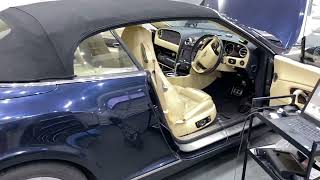

Technical Specifications
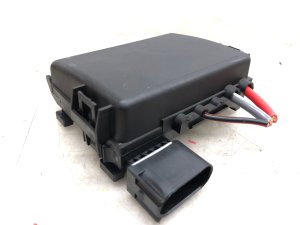
OEM Part Numbers: 3W0937550 3W0937506A 3W7937550 3W0937548 3D0959933F
System includes multiple fuse/relay centers: driver's side fascia, trunk compartment, engine bay plenum, and a thermal fuse box in the passenger footwell. Main modules are integrated with the Body Control Module (BCM) and are subject to Component Protection.
We Have This Part in Stock

The information in this article is provided for general reference and educational purposes only. Vehicle specifications, procedures, and part compatibility can vary by production date, trim level, and region. Always consult your vehicle's factory service manual and verify part numbers before purchasing or performing repairs. Safety-critical components such as airbags, seat belts, and braking systems should be installed by a qualified professional.
- Bentley Continental GT:
- Bentley Continental Flying Spur:
- Bentley Continental GTC:
- 🎬 Helpful Videos
- 🛍️ Shop This Part
- Symptoms of a Failing Fuse Box or Power Module
- Known Issues and Root Causes
- 1. Water Intrusion: The Primary Killer
- 2. The Dual-Battery System and Low Voltage
- Fuse Box Locations
- Buying a Used Fuse Box: The Component Protection Trap
- What is Component Protection?
- How to Make a Used Module Work
- Inspection Checklist for Used Parts
- Cost of Replacement
- Frequently Asked Questions (FAQ)
- 🎟️ Get 5% Off