

2000-2011 Audi A4, A6, TT & More Engine Fuse Box: Why It Melts and How to Fix It
This guide covers the common failures, symptoms, and replacement of the engine compartment fuse box in the Audi TT, A4, S4, A6, S6, A8, S8, RS4, and RS6.
- The most common failure is melting plastic around the main power terminals due to high resistance, which is a fire hazard.
- This fuse box does NOT require any programming or coding for installation.
- When buying a used part, meticulously inspect for any signs of melting, heat discoloration, or corrosion.
- On many models, water damage from clogged plenum drains is a common cause of failure; keeping these drains clear is essential preventative maintenance.
Symptoms of a Failing Engine Fuse Box

A problem with the main engine bay fuse box can manifest in several ways, from strange electrical gremlins to a no-start condition. Because it supplies power to so many critical systems, symptoms can often seem unrelated.
1. Melting Plastic and Burning Smell
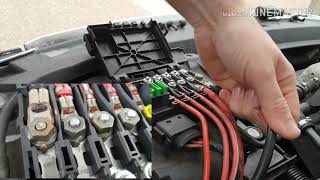
The most common and alarming symptom is a melting fuse box. Over time, the high-current connections, especially the main terminal for the alternator cable, can develop high electrical resistance from corrosion or vibration. This resistance generates intense heat, which can melt the fuse, its socket, and the surrounding plastic housing. You may notice a distinct smell of burning plastic coming from the engine bay, particularly after a drive. On the Audi TT, the alternator wire getting extremely hot to the touch is a classic sign of this impending failure.
2. Widespread and Intermittent Electrical Failures
If multiple, seemingly unrelated electrical systems fail at once, the fuse box is a primary suspect. This could include:
- Engine failing to crank or start
- Cooling fans not turning on, leading to overheating
- ABS and traction control warning lights illuminating
- Headlights or other exterior lights not working
- Intermittent power loss to various components, causing flickering lights or accessories cutting out.
3. Corrosion and Evidence of Water Intrusion
For many of these Audi models, the fuse box is located in the plenum area under the windshield cowl, a common place for water to collect if the drains become clogged with leaves and debris. Water intrusion can cause severe corrosion on the fuse box terminals, appearing as a white or greenish powder. This corrosion increases resistance and can lead to low voltage faults and a host of electrical issues.
4. Associated OBD-II Trouble Codes
While a failing fuse box won't always set a specific code pointing to itself, it can cause other modules to report errors. A common related code is P068A00 (ECM Power Relay De-Energized - Too Early), which can be triggered by a faulty power supply relay housed within the fuse and relay panel. You may also see various low-voltage codes for different modules if the main power connections are compromised by corrosion.
Warning: A melting fuse box is a significant fire hazard. If you smell burning plastic or see smoke from the engine bay, stop the vehicle immediately and disconnect the battery when it is safe to do so.
Known Issues, TSBs, and Recalls

While there are no major recalls specifically for this fuse box, its failure is a well-documented pattern, especially the melting issue on the Audi TT and similar platforms. The primary causes are consistent across all models.
Heat Failure at High-Amperage Terminals
The connection for the main alternator wire is the most frequent point of failure. The original nut and terminal design can loosen over many years and heat cycles. Once a small amount of resistance builds up, it creates a feedback loop: resistance creates heat, which increases resistance, which creates more heat until the plastic melts. Simply cleaning the terminal and ensuring the nut is tight can sometimes prevent a complete failure if caught early.
Water Damage from Clogged Plenum Drains
On the Audi A4, S4, A6, and A8 platforms, the plenum chamber drains under the windshield are notorious for clogging. When this happens, rainwater fills the chamber and can submerge the fuse box and other sensitive electronics, leading to widespread corrosion and failure. Regular cleaning of these drains is critical preventative maintenance.
Programming and Installation Requirements

Good news for DIY mechanics: this engine compartment fuse box is a direct-replacement part and does not require any programming, coding, or flashing after installation. It is a power distribution block, not an intelligent electronic module. The vehicle's computer systems do not communicate with it directly.
Pro Tip: Some replacement fuse boxes may not include the main metal power distribution bar or "current rail." You may need to carefully remove this component from your original fuse box and transfer it to the new one. Inspect this bar for corrosion or heat damage and clean it thoroughly before installation.
Buying a Used Fuse Box: What to Look For
A used OEM fuse box is a cost-effective and reliable alternative to an expensive new part. However, careful inspection is essential to avoid buying a part that is already failing.
- Check for Heat Damage: This is the most important check. Look closely at the largest terminals, especially where the thick alternator wire connects. Look for any signs of melted plastic, discoloration, or charring. Compare it to the other terminals; any difference in color or texture is a red flag.
- Inspect for Corrosion: Examine all metal terminals, both where the fuses plug in and where the main wire harnesses connect. There should be no white, green, or blue powder or residue. Minor surface dullness is okay, but any crusty buildup means the part has been exposed to moisture.
- Look for Cracks and Physical Damage: Ensure the plastic housing is not cracked or broken, especially around the mounting points. A cracked housing can allow moisture and dirt to enter, leading to future problems.
- Verify All Terminals are Present and Straight: Look inside the connectors to ensure all the metal pins are present, straight, and have not been pushed back into the housing.
Cost Comparison
The cost to replace this fuse box can vary depending on the parts source and labor rates. This part is a great candidate for a used OEM component, offering significant savings.
| Part Source | Estimated Price Range |
|---|---|
| New OEM | $120 - $175 |
| New Aftermarket | Not commonly available |
| Used OEM | $35 - $90 |
| Shop Labor | $150 - $300 |
Frequently Asked Questions (FAQ)
Does this fuse box need to be programmed to my Audi?
No. This is a non-intelligent part that simply distributes power. It does not require any programming, coding, or dealer visit after installation. It is a plug-and-play replacement.
What is the main cause of this fuse box melting?
The primary cause of melting is high electrical resistance at the main power connections, most often the alternator wire terminal. Over time, the connection can loosen or corrode, generating excessive heat that melts the plastic housing and the fuse itself.
Where is this fuse box located on a 2000-2006 Audi TT?
On the Mk1 Audi TT, this specific fuse box is located directly on top of the battery, under a plastic cover 🎬 See this video for the Audi TT fuse box location and diagram in the engine compartment.
Can I still drive my car if I suspect the engine fuse box is bad?
It is not recommended. A melting fuse box is a serious fire risk. Furthermore, a failing fuse box can cause critical systems like cooling fans or the fuel pump to shut off unexpectedly, which could leave you stranded or cause engine damage.
Helpful Videos
![MK4 VAG Melted Fuse Box Permanent Fix! [VW, Audi, SEAT, Škoda, 1.8t, VR6, TDI, 2.0t]](https://img.youtube.com/vi/Rm7GX0_ay6U/mqdefault.jpg)
Technical Specifications
OEM Part Numbers: 8D1941824
Engine Compartment Relay and Fuse Holder
We Have This Part in Stock



The information in this article is provided for general reference and educational purposes only. Vehicle specifications, procedures, and part compatibility can vary by production date, trim level, and region. Always consult your vehicle's factory service manual and verify part numbers before purchasing or performing repairs. Safety-critical components such as airbags, seat belts, and braking systems should be installed by a qualified professional.
- Audi TT:
- Audi S4:
- Audi A4:
- Audi A6:
- Audi S6:
- Audi S8:
- Audi A8:
- Audi RS4:
- Audi RS6:
- 🎬 Helpful Videos
- 🛍️ Shop This Part
- Symptoms of a Failing Engine Fuse Box
- 1. Melting Plastic and Burning Smell
- 2. Widespread and Intermittent Electrical Failures
- 3. Corrosion and Evidence of Water Intrusion
- 4. Associated OBD-II Trouble Codes
- Known Issues, TSBs, and Recalls
- Heat Failure at High-Amperage Terminals
- Water Damage from Clogged Plenum Drains
- Programming and Installation Requirements
- Buying a Used Fuse Box: What to Look For
- Cost Comparison
- Frequently Asked Questions (FAQ)
- 🎟️ Get 5% Off