

2007-2015 Audi Q7 Fuse Box: Water Damage, Electrical Faults, and Replacement Guide
This guide covers the common failure points of the Audi Q7 fuse boxes, particularly the main relay panel in the plenum chamber, which is prone to catastrophic water damage leading to widespread electrical issues.
- The primary cause of fuse box failure is water intrusion from clogged plenum drains under the windshield cowl.
- The main fuse and relay panel (E-box) is located in the plenum chamber and is most susceptible to this water damage.
- The fuse box holder itself does not require programming, but other modules often damaged by the same water leak (like the J519) have Component Protection and require dealer-level tools to replace.
- When buying a used fuse box, you must match the OEM part number exactly and meticulously inspect for any signs of corrosion or heat damage.
Known Issues: The Plenum Drain Problem

The single most common cause of catastrophic electrical failure in the 2007-2015 Audi Q7 is water intrusion into the plenum chamber. The plenum is the area below the windshield where the wiper motor and other components are housed. This area has drains designed to channel rainwater away safely. Over time, these drains can become clogged with leaves, pine needles, and other debris. When clogged, rainwater fills the plenum chamber like a bathtub, overflowing directly into the sealed electronics box (E-box) that contains the main fuse and relay panel and, in many cases, the Engine Control Unit (ECU). This water damage corrodes terminals, shorts circuits, and can destroy the fuse panel and other expensive electronic modules, leading to a host of problems. A technical service bulletin (TSB) from Audi acknowledges that clogged plenum drains can cause undesirable odors and moisture issues inside the car.
Warning: Regular inspection and cleaning of the plenum drains is the most important preventative maintenance for avoiding fuse box failure. If you notice damp carpets, a musty smell, or electrical issues after heavy rain, check the plenum chamber for standing water immediately.
🎬 See how to inspect and clean your plenum drainsFuse Box and Relay Panel Locations

The Audi Q7 (Type 4L) has several fuse and relay panels. Knowing their locations is key for diagnosis:
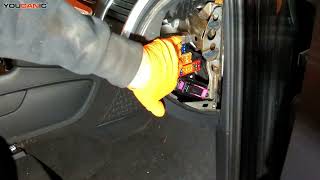
🎬 Watch: How to locate and access every Q7 fuse box- Driver's Side of Dashboard: Located behind a trim panel on the end of the dash, accessible when the driver's door is open.
- Passenger's Side of Dashboard: A corresponding panel is located on the passenger side, also accessible with the door open.
- Luggage Compartment: Found behind a panel on the right side of the rear cargo area. This area is also susceptible to water damage from clogged sunroof drains.
- Under Driver's Seat: Main battery fuses are located here, near the vehicle's battery.
- Engine Compartment (Plenum E-Box): This is the main power distribution center, containing critical fuses and relays. It's located under the plastic cowl panel at the base of the windshield on the driver's side. This is the unit most commonly damaged by water.
Symptoms of a Failing Q7 Fuse Box

Failure, especially of the main E-box, often presents as sudden and widespread electrical chaos. Symptoms include:
- Complete No-Start Condition: The engine may not crank or show any signs of life.
- Multiple, Unrelated Warning Lights: The instrument cluster may light up with numerous fault warnings simultaneously.
- Intermittent or Dead Circuits: Components like headlights, wipers, the MMI infotainment system, or climate control may stop working without warning.
- Visible Corrosion: A visual inspection of the fuse panel may reveal white or green crusty deposits on the terminals, a clear sign of water damage.
- Burning Plastic Smell: A short circuit can cause the fuse box housing or wiring to overheat and melt.
- Communication Fault Codes: A diagnostic scan will often show a large number of U-codes (Communication Codes), indicating that various control modules are not communicating with each other due to power loss.
Pro Tip: If your Q7 exhibits multiple, seemingly unrelated electrical faults, water-induced failure of a central fuse panel or control module is a primary suspect. Before replacing individual components, a thorough inspection for water damage in the plenum and luggage compartment is essential.
Programming and Component Protection
This is a critical topic for anyone replacing electrical parts on a Q7.
- Fuse Box (Part #4L0941824): The fuse and relay holder itself is a 'passive' component. It is a plastic carrier with metal contacts and does NOT require any programming, coding, or flashing. It can be swapped with a matching part number.
- Control Modules: The problem is that water damage rarely affects only the fuse box. Nearby modules like the Onboard Power Supply Control Unit (J519) or the Engine Control Unit (ECU) are often damaged as well. These are 'active' electronic modules that are linked to the vehicle's anti-theft system through a feature called Component Protection.
Warning: If you replace the J519 module or other protected components, the vehicle will activate Component Protection, disabling many features. This protection can only be removed by an authorized Audi dealer or a specialist shop with an online connection to Audi's servers in Germany. A standard diagnostic tool like VCDS cannot remove Component Protection.
Buying a Used 2007-2015 Audi Q7 Fuse Box
A used OEM fuse box is an excellent, cost-effective solution, as it's a simple component that doesn't wear out on its own. However, careful inspection is crucial.
- Verify the Part Number: The Q7 used different fuse boxes depending on engine and options. You must match your original part number exactly. The most common plenum E-box is part number 4L0941824. The part number 7L0937576B is also associated with the Q7 platform.
- Inspect for Corrosion: This is the most important check. Scrutinize all photos, paying close attention to the electrical pins and connectors on the back. Any sign of white or green powder, rust, or water stains is an absolute deal-breaker.
- Check for Heat Damage: Look for any melted plastic around the high-amperage fuse slots or on the main power input studs. This indicates a past short circuit and a compromised part.
- Why Used OEM is a Good Choice: A clean, dry, used OEM fuse holder is functionally identical to a new one. Aftermarket versions may use lower-quality plastic or have poorly fitting terminals, which can create new electrical problems. Given the critical role of this part, a verified-clean used OEM unit is a safer and more reliable choice than a cheap aftermarket alternative.
Cost Breakdown
Prices can vary based on location and supplier, but here is a general estimate:
| Part or Service | Estimated Cost |
|---|---|
| New OEM Fuse Box (e.g., 4L0941824) | $90 - $150 |
| New Aftermarket Fuse Box | $75 - $125 |
| Used OEM Fuse Box | $50 - $100 |
| Shop Labor to Replace Plenum Fuse Box | $250 - $450 |
Note: Labor costs involve removing the windshield wipers and cowl panel for access. This cost is for replacing the fuse box only and does not include diagnosing underlying shorts or replacing other damaged modules.
Frequently Asked Questions (FAQ)
What is the main cause of fuse box failure on the Audi Q7?
By far, the most common cause is water damage resulting from clogged plenum drains located under the windshield cowl. Debris blocks the drains, causing rainwater to overflow into the electronics box that houses the main fuse panel and other critical modules.
Can I just clean a corroded fuse box?
While you can try cleaning minor corrosion with a specialized contact cleaner, it is often a temporary fix. Once water has penetrated the multi-layer plastic housing and the wiring connectors, corrosion can continue to spread internally, leading to recurring issues. For a reliable, long-term repair, replacement is strongly recommended.
Does a replacement fuse box need to be programmed to my Q7?
The fuse box holder itself (a passive plastic and metal part) does not need programming. However, if you are also replacing an intelligent module like the J519 Onboard Power Supply Control Unit, that module will need to have its Component Protection feature adapted by a dealer or specialist.
How can I prevent my fuse box from failing?
The best prevention is to regularly clean the plenum drains. At least twice a year (spring and fall), remove the cowl cover and clear out any leaves, pine needles, or other debris to ensure water can drain freely. Also, check sunroof drains, as clogs there can cause water to enter the rear of the vehicle and damage the luggage compartment fuse panel.
Helpful Videos

Technical Specifications
OEM Part Numbers: 4L0941824 7L0937576B
The Audi Q7 (4L) platform utilizes multiple fuse panels with blade-type fuses ranging from 5A to 40A, as well as various relays and main fusible links.
We Have This Part in Stock


The information in this article is provided for general reference and educational purposes only. Vehicle specifications, procedures, and part compatibility can vary by production date, trim level, and region. Always consult your vehicle's factory service manual and verify part numbers before purchasing or performing repairs. Safety-critical components such as airbags, seat belts, and braking systems should be installed by a qualified professional.
- Audi Q7: