

2012-2018 Audi A6, A7, S6, S7 & RS7 Fuse Box Guide: Locations, Water Damage, and Replacement
Pinpoint electrical gremlins by understanding the multiple fuse box locations in your C7 platform Audi and learn the critical details about water damage and potential programming before you buy a replacement.
- These vehicles have multiple fuse boxes; the one in the right side of the trunk is highly prone to water damage from clogged sunroof drains or leaking seals.
- Before buying a replacement, you must match the OEM part number exactly and inspect the unit for any signs of corrosion.
- While the fuse box itself may not need programming, replacing it can trigger the 'Component Protection' anti-theft system in other modules, potentially requiring a dealer visit.
- Symptoms are often widespread electrical issues. A full vehicle scan with an Audi-specific tool is the best way to diagnose the problem.
Key Fuse Box Locations

Finding the right fuse box is the first step in diagnosing any electrical issue on your Audi A6, A7, S6, S7, or RS7. Check these primary locations:
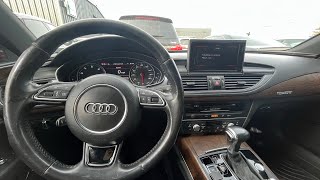
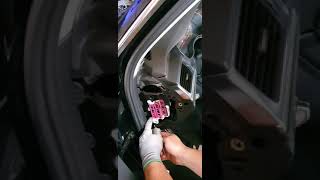
🎬 Watch: A complete guide to A6 and S6 fuse locations.- Left Instrument Panel: Located on the driver's side of the dashboard, accessible after removing a side cover. This panel typically handles interior functions, lighting, and driver-side controls.
- Right Instrument Panel: A corresponding panel on the passenger's side of the dashboard, also behind a cover.
- Engine Compartment (E-Box): Found under the cowl cover near the windshield, this box contains high-amperage fuses and relays for critical engine systems like the cooling fans and starter.
- Luggage Compartment: Located behind a trim panel on the right side of the trunk. This rear-mounted box powers many comfort, convenience, and infotainment modules located in the back of the vehicle. This is the box most commonly affected by water damage.
Common Problems and Symptoms of Failure

Fuse box failures often present as bizarre electrical problems that can be difficult to trace. Here are the most common issues for this platform.
Water Intrusion in Trunk
The most notorious issue is water leaking into the trunk and damaging the rear fuse box and other nearby electronic modules. This can be caused by clogged sunroof drains, leaking tail light seals, or damaged weatherstripping. The water pools in the spare tire well or on the right side of the trunk, corroding the fuse box terminals and wiring connectors.
Symptoms of rear fuse box water damage include:
- Inoperative MMI screen or radio (may blow fuses repeatedly). 🎬 Watch this walkthrough for diagnosing a dead MMI system.
- Tail lights, trunk release, or fuel door not working.
- Warning lights for various systems appearing on the dash.
- A noticeable musty smell or dampness in the trunk.
Engine Cooling Fan Issues
If your engine overheats in traffic but is fine on the highway, or if your air conditioning is weak at a standstill, you may have a cooling fan problem. Before condemning the expensive fan assembly, check the large 40-amp fuses in the engine compartment fuse box. An Audi technician noted that replacing these fuses often resolves cooling fan fault codes like P0693 (Fan 2 Control Circuit). 🎬 See how to troubleshoot cooling fan error codes like P0693. These fuses can fail from age and heat cycling.
General Electrical Faults
Any fuse box can fail due to internal corrosion or cracked solder joints, leading to a variety of symptoms:
- One or more electrical components stop working entirely.
- A specific fuse blows instantly upon replacement, indicating a short circuit.
- Intermittent failure of lights, windows, or other accessories.
- Communication errors (U-codes) stored in multiple modules when scanned with an OBD-II tool.
Diagnosing a Faulty Fuse Box


- Visual Inspection: The first step is a thorough visual check. For the rear fuse box, pull back the trunk liner on the right side and inspect for any white or green corrosion on the terminals, connectors, or the box itself. Check for any signs of moisture, past or present.
- Check Fuses: Use the fuse diagram in your owner's manual or online to identify the fuse for the malfunctioning component. Pull the fuse and check for a break in the metal strip.
- Scan for Codes: The most effective diagnostic method is to scan the vehicle with a high-quality OBD-II scanner, preferably one with Audi-specific software like VCDS by Ross-Tech. This can reveal fault codes that point directly to a specific circuit failure or communication loss, helping to isolate the problem.
Warning: A recall on the next-generation (2019+) Audi A6/A7 models highlights how spilled liquid in the back seat can destroy the Gateway Control Module located under the seat, causing the car to enter 'limp mode'. While not a recall for the 2012-2018 models, it serves as a critical reminder to keep liquids away from electronic modules in the cabin and trunk.
Buying a Used Fuse Box: What You Must Know
A used OEM fuse box is often a cost-effective and reliable alternative to an expensive new part. However, there are critical factors to consider for these complex vehicles.
- Match the Part Number Exactly: There are many variations of these fuse boxes based on year and vehicle options. The part number printed on your original fuse box must match the number on the used part you are buying. Do not rely on visual similarity alone.
- Inspect for Corrosion: When buying a used part, especially a rear fuse box, demand clear photos of the electrical connectors. Look for any hint of chalky white residue or green corrosion on the pins. Do not buy a part that shows any signs of prior water exposure.
- Check the Wiring Pigtails: If your original fuse box connectors are corroded from water damage, you will also need to replace the wiring pigtails. Many used fuse boxes are sold with a few inches of wiring cut from the donor car, which can be essential for repairs.
A Note on Programming and Component Protection
Audi uses an anti-theft system called Component Protection (CP). When a major electronic module (like the radio, amplifier, or gateway) is swapped, it may not function correctly until it is 'matched' to the vehicle by a dealer or specialist with online access to Audi's servers.
While the fuse boxes themselves are not typically reported as having Component Protection, they are the power source for modules that do. If you replace a fuse box and suddenly the sound doesn't work or you have new warnings on the MMI, it's likely that the power interruption has triggered Component Protection in a related module. Be prepared for the possibility that a trip to a dealer or qualified independent shop may be required to resolve these issues after installation.
Cost of Replacement
| Part Type | Estimated Cost |
|---|---|
| New OEM (e.g., Engine Bay Box) | $115 - $170 |
| Used OEM | $50 - $180 |
| Shop Labor | $150 - $300 |
Frequently Asked Questions
Does a used Audi fuse box need to be programmed?
The fuse box itself generally does not require programming. However, replacing it can sometimes trigger the 'Component Protection' anti-theft system in other modules it powers, like the amplifier or MMI unit. If this happens, a visit to a dealer or specialist is needed to re-synchronize the modules.
Where are the fuse boxes in my 2014 Audi A6/A7?
Your 2014 Audi A6 or A7 has multiple fuse boxes. The main locations are on the driver's and passenger's sides of the dashboard, in the engine bay under the plastic cowl panel, and on the right side of the trunk behind the liner.
Can I replace an Audi fuse box myself?
Yes, for someone with DIY mechanic experience, the replacement is feasible. The main challenges are accessing the boxes, which are often behind trim panels or covers, and carefully swapping all connectors. The engine bay box requires removing the cowl cover. The most important part is disconnecting the battery before you begin.
What are the signs of a bad fuse box?
Signs include multiple, unrelated electrical systems failing at once, a specific fuse that keeps blowing, visible corrosion or melting on the fuse panel, or an entire section of the car losing power (e.g., no power to any components in the trunk).
Helpful Videos



Technical Specifications
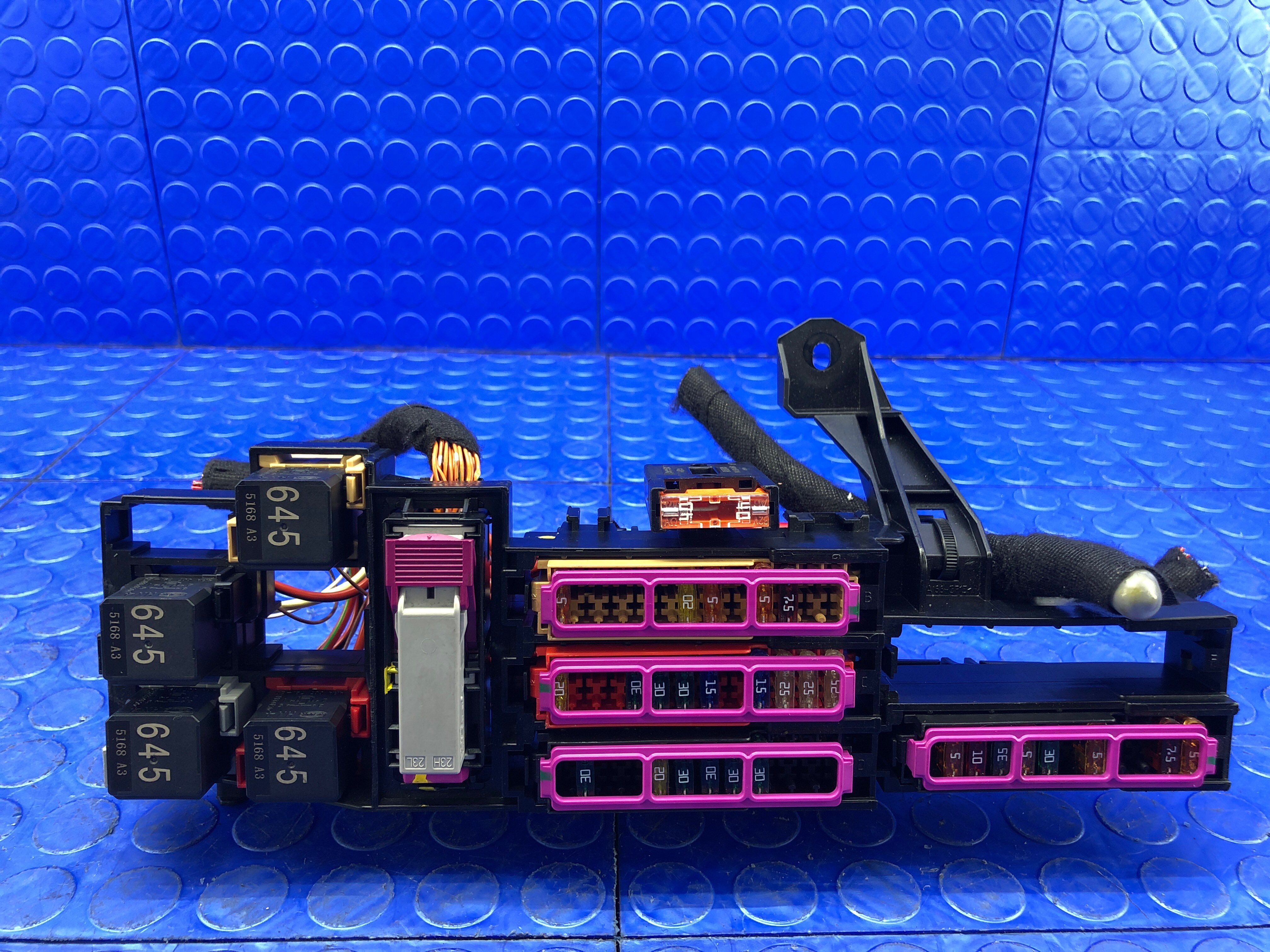
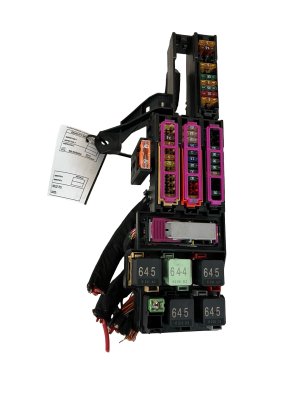
OEM Part Numbers: 4G0937517 4G0971845 4G0971845A 4G1937503A
System consists of multiple fuse and relay panels located in the engine bay, left and right dashboard, and right side of the luggage compartment.
We Have This Part in Stock

The information in this article is provided for general reference and educational purposes only. Vehicle specifications, procedures, and part compatibility can vary by production date, trim level, and region. Always consult your vehicle's factory service manual and verify part numbers before purchasing or performing repairs. Safety-critical components such as airbags, seat belts, and braking systems should be installed by a qualified professional.
- Audi A6:
- Audi A7:
- Audi RS7:
- Audi S6:
- Audi S7:
- 🎬 Helpful Videos
- 🛍️ Shop This Part
- Key Fuse Box Locations
- Common Problems and Symptoms of Failure
- Water Intrusion in Trunk
- Engine Cooling Fan Issues
- General Electrical Faults
- Diagnosing a Faulty Fuse Box
- Buying a Used Fuse Box: What You Must Know
- A Note on Programming and Component Protection
- Cost of Replacement
- Frequently Asked Questions
- 🎟️ Get 5% Off