

Audi A4, A5, Q5, S4, S5 & More (2008-2017) Fuse Box Guide: Locations & Failure Symptoms
This guide covers the multiple fuse box locations, common failure symptoms, and replacement tips for the Audi B8 platform vehicles, including the A4, S4, A5, S5, RS5, Q5, and SQ5.
- These Audis have multiple fuse boxes: one on each side of the dashboard and one in the trunk. You must identify the correct one before purchasing.
- These fuse boxes DO NOT require programming or coding, making replacement a straightforward swap.
- Failure is often caused by water intrusion from clogged sunroof or cowl drains, leading to corrosion and widespread electrical issues.
- When buying a used fuse box, you must match the OEM part number exactly and thoroughly inspect for any signs of corrosion or heat damage.
Fuse Box Locations


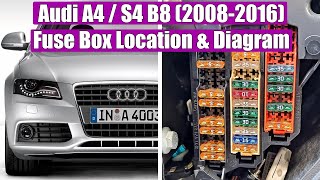
Owners of the 2008-2017 Audi A4, S4, A5, S5, RS5, Q5, and SQ5 models should be aware that there are at least three primary fuse box locations for general circuits. Accessing them 🎬 Watch: A quick guide to locating and identifying your fuse panels. is necessary for diagnosing many common electrical issues.
- Driver's Side Dashboard: Located on the left side of the instrument panel, this fuse box is accessible after removing a trim cover. You can often pry this cover off using the blade from the vehicle's key.
- Passenger's Side Dashboard: A similar fuse box is located on the right side of the instrument panel, also behind a trim cover.
- Luggage Compartment: A third fuse panel is situated in the trunk area, typically on the right side behind a removable panel.
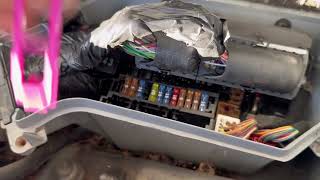
- Engine Compartment (E-Box): For main power distribution and high-current fuses, there is also a fuse and relay box in the engine bay, often located under the windshield cowl. 🎬 See how to access and test the engine compartment E-Box.
Symptoms of a Failing Fuse Box
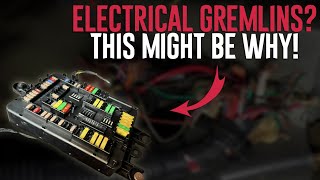
A failing fuse box often presents as a series of strange and unrelated electrical problems, sometimes referred to as "electrical gremlins." Because the fuse box is a central point for many circuits, a single internal failure can affect multiple systems simultaneously.
- Multiple Unrelated System Failures: The most common symptom is when several different electrical components stop working at once. For example, the radio, power windows, and interior lights might all fail simultaneously.
- Intermittent Electrical Issues: Lights may flicker, the radio might cut out over bumps, or other accessories may work one moment and not the next. This can be caused by loose or corroded connections within the fuse box.
- Burning Smell or Visible Damage: A distinct burning plastic smell from under the dashboard is a serious red flag. Visual inspection may reveal melted plastic around a specific fuse socket or discoloration on the terminals, indicating a severe overload or high-resistance connection. 🎬 Watch: Understanding common fuse box failures and what they mean.
- Repeatedly Blowing Fuses: While a single blown fuse usually points to a problem in that specific circuit, if a new fuse blows immediately, it could indicate a short circuit in the wiring or a problem within the fuse box itself.
- No Power to Specific Components: If a component like the fuel pump or a headlight isn't receiving power, and the fuse is intact, the fault may lie in the fuse box's internal connections that supply power to that fuse.
There are generally no specific OBD-II codes that point directly to a bad fuse box. Instead, you may see a variety of communication errors (U-codes) or codes related to loss of power for various modules connected to the faulty circuits.
Known Issues, TSBs, and Recalls

While there are no widespread recalls specifically for the fuse boxes themselves on these models, related electrical issues have been noted.
- Auxiliary Heater Recall (NHTSA 17V622): Certain 2013-2016 A4, A5, and Q5 models were recalled because the electrical connector for the auxiliary heater could corrode, leading to overheating, melting wires, and a potential fire risk. While not a fuse box failure, this highlights the sensitivity of the vehicle's electrical system.
- Water Intrusion: A common, non-recall issue reported by owners is water damage to the fuse panels, particularly those at the ends of the dashboard. This is often caused by clogged sunroof drains or cowl drains under the windshield, which allows water to leak into the cabin and onto electrical components, causing corrosion and short circuits.
Pro Tip: If you are experiencing random electrical faults, check for dampness in the carpets near the front footwells or around the A-pillars. This is a strong indicator that a water leak may be the root cause of your fuse box problems.
Buying a Used Fuse Box
A used OEM fuse box can be a cost-effective and reliable solution, as it is not a typical wear-and-tear item. However, careful inspection is critical to ensure you get a good part.
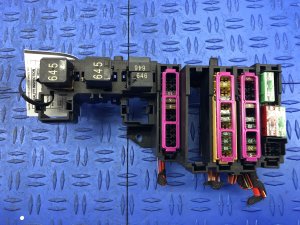
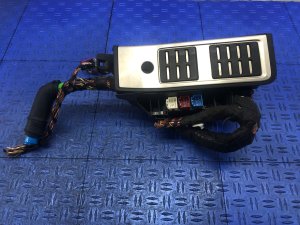
- Match the Part Number Exactly: These vehicles were available with many different options, which means fuse box configurations can vary. The only way to guarantee compatibility is to match the OEM part number from your original unit. Do not rely on visual comparison alone.
- Specify the Location: Be absolutely certain whether you are buying for the driver's side, passenger's side, or luggage compartment. They are not interchangeable.
- Inspect for Corrosion: Look for any signs of white or green crusty deposits on the metal terminals where fuses and relays plug in. Any evidence of past moisture exposure is a major red flag.
- Check for Heat Damage: Carefully examine the plastic housing around each fuse slot. Look for any melting, warping, or discoloration. This indicates a past issue with a high-resistance connection that could cause problems again.
- Ensure All Terminals are Intact: Check that all metal contacts are present and not bent or pushed out of place.
Replacement and Programming
The fuse panels located in the dashboard and trunk are primarily passive power distribution points. They do not contain complex electronics and do not require any programming, coding, or flashing after installation. Replacement is a direct swap. This makes it a feasible DIY job for those comfortable with removing interior trim panels and carefully disconnecting electrical connectors.
Warning: Always disconnect the vehicle's battery before starting any work on the fuse box to prevent short circuits and ensure your safety.
Cost Comparison
| Part Type | Estimated Cost |
|---|---|
| New OEM | $150 - $300 |
| New Aftermarket | $70 - $150 |
| Used OEM | $40 - $120 |
| Shop Labor | $120 - $250 |
Frequently Asked Questions (FAQ)
Does a replacement fuse box need to be programmed for my 2014 Audi Q5?
No. The fuse panels on the sides of the dashboard and in the trunk are power distribution blocks and do not require any programming or coding. You can install a replacement, and it will function immediately, provided it is the correct part number for your vehicle's configuration.
Why does my Audi A4 have three different fuse boxes?
Modern vehicles like the B8-platform Audis have complex electrical systems. Using multiple, decentralized fuse panels allows for shorter wire runs, better circuit isolation, and easier packaging of components. Each box typically serves the systems located nearest to it.
What causes the fuse box to melt or corrode?
Melting is almost always caused by excessive heat from a poor electrical connection or an overloaded circuit where the wrong size fuse was installed. Corrosion is caused by water intrusion, most commonly from clogged sunroof drains or leaking windshield seals that allow rainwater to drip onto the fuse panels inside the cabin.
Can I use a fuse box from an Audi A5 in my S4?
You can only do this if the OEM part number on the fuse box is identical. While the A4, A5, Q5, and their S/RS variants share a platform, their specific options (e.g., heated seats, premium audio, advanced driver aids) can lead to different fuse box layouts and internal wiring. Always verify the part number on your original unit before purchasing a replacement.
Helpful Videos
Technical Specifications
OEM Part Numbers: 8K0937501 4F1941824 8T0941821 8T0941822 8K0941824B
Varies by vehicle options and specific part number. Primarily a passive power distribution panel for standard automotive blade fuses.
We Have This Part in Stock


The information in this article is provided for general reference and educational purposes only. Vehicle specifications, procedures, and part compatibility can vary by production date, trim level, and region. Always consult your vehicle's factory service manual and verify part numbers before purchasing or performing repairs. Safety-critical components such as airbags, seat belts, and braking systems should be installed by a qualified professional.
- Audi A5:
- Audi RS5:
- Audi S5:
- Audi A4:
- Audi S4:
- Audi Q5:
- Audi SQ5: