

2017-2022 Alfa Romeo Giulia Fuse Box (BCM): Water Leaks, Programming, and Replacement Guide
This in-depth guide covers the common failures, critical programming requirements, and known water leak issues that plague the Alfa Romeo Giulia Body Control Module.
- A replacement BCM is NOT plug-and-play; it absolutely requires a "Proxi Alignment" procedure to be programmed to the vehicle.
- Water intrusion into the passenger footwell is the #1 cause of failure. You must fix the leak source (cowl or A/C drain) before replacing the module.
- You must match the OEM part number on your original module EXACTLY. Modules for the 2.9L Quadrifoglio and 2.0L models are different.
- Used modules often come with cut wiring harnesses, requiring a labor-intensive "re-pinning" process for installation.
Known Issues and Recalls

Water Intrusion: The Primary Cause of Failure
Warning: The most common reason for BCM failure in the Alfa Romeo Giulia is water damage. The module is located in the passenger-side footwell, an area vulnerable to leaks.
There are two primary sources for this water leak:
- Cowl / HVAC Fresh Air Intake: The design of the cowl area under the windshield can allow water, especially from car washes or heavy rain, to enter the fresh air intake for the HVAC system. This is more likely to happen if the car is running with the air recirculation turned off, as this opens a flap to the outside. 🎬 See how water enters through the cowl intake area The water gets drawn in by the blower motor and drips directly onto the BCM and surrounding electronics.
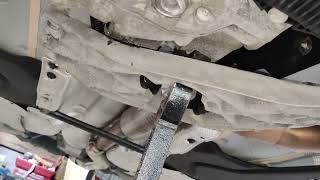
- Clogged A/C Evaporator Drain: Like any car, the air conditioning system creates condensation that is supposed to drain out under the vehicle. If this drain tube becomes clogged with debris, the water can back up and overflow into the passenger footwell, soaking the carpets and the BCM. 🎬 Watch: How to clear a clogged A/C evaporator drain
Before replacing a BCM, it is absolutely essential to identify and fix the source of any water leak. Installing a new or used module without addressing the leak will only result in another costly failure.
Safety Recall NHTSA 19V-551: Inaccurate Fuel Gauge
Alfa Romeo issued a recall for certain 2018-2019 Giulia and Stelvio models because the BCM software could display an inaccurate fuel level. The gauge might show more fuel than is actually in the tank, creating a risk of the vehicle unexpectedly running out of fuel and stalling. The fix is a software update performed by a dealer. This is important because it shows that some BCM-related issues can be fixed with software, so it's worth checking if your vehicle has had this recall performed before assuming the hardware is bad.
Symptoms of a Failing BCM

A failing BCM can create a wide range of bizarre and intermittent electrical problems. Because it controls so many systems, symptoms can appear unrelated.
- Erratic Electronics: This is the most common sign. You may experience headlights, interior lights, or taillights flickering or staying on; windshield wipers activating on their own; power windows or door locks not working or acting randomly.
- Parasitic Battery Drain: A classic symptom is a battery that repeatedly dies, often overnight. A faulty BCM can fail to put other modules to sleep when the car is off, causing a slow but constant drain on the battery.
- Multiple Dashboard Warning Lights: The instrument cluster may light up with numerous, seemingly random warning lights for the ABS, airbag, traction control, or security system.
- No-Start Condition: The BCM is a key part of the immobilizer system. It must recognize the key fob to allow the car to start. A failed BCM can prevent the engine from cranking, even with a good battery and starter.
- Flashing Odometer: A flashing odometer is a specific symptom on Alfa Romeo vehicles that indicates a module mismatch. This will happen immediately after installing a replacement BCM and means a Proxi Alignment procedure is required. 🎬 Watch: Using MultiECUScan to fix a flashing odometer
Programming and Installation Requirements

Critical: A replacement Body Control Module is NOT a plug-and-play part. It must be programmed to your vehicle's specific configuration to function.
Proxi Alignment Procedure
When a new or used BCM is installed, it must be configured to the car's VIN and optional equipment (like sunroof, specific headlights, premium audio, etc.). This process is called a "Proxi Alignment" or "Proxy Configuration." Without it, the car will not function correctly, may not start, and the odometer will flash continuously.
Who Can Program the BCM?
- Alfa Romeo Dealerships: A dealer can perform the Proxi Alignment, but they will typically refuse to program a used BCM that you provide. They will only program a new part that they sell and install.
- Independent Specialists: An independent auto repair shop that specializes in European vehicles, particularly Fiat-Chrysler/Stellantis products, will often have the necessary diagnostic tools (like MultiECUScan or Autel) to perform a Proxi Alignment on a used module.
- DIY: This is not recommended for beginners. It requires advanced diagnostic software, a compatible OBD-II interface, and a strong understanding of the procedure to avoid damaging other vehicle modules.
Buying a Used Fuse Box (BCM)

Given the high cost of a new BCM, a used OEM module is a viable and common repair strategy. However, you must be extremely careful when purchasing one.
1. Match the Part Number EXACTLY
There are many different BCMs for the Giulia, depending on the engine and options. The part number on the replacement module MUST match the one on your original part. For example, the BCM for a Quadrifoglio with the 2.9L V6 (OEM part number 50550610) is different from one for a 2.0L model (e.g., 00505523270). Do not trust a seller's description that says it "should fit"; physically verify the number on the sticker of the module itself.
2. Inspect for Water Damage
Since water intrusion is the #1 killer of these modules, carefully inspect photos of the used part. Look for any signs of white or green corrosion on the pins, water stains on the casing, or rust on any metal components. Do not buy a module that shows any signs of moisture damage.
3. Understand the "Cut Wire" Problem
Pro Tip: Most BCMs from salvage yards are removed by cutting the wiring harnesses for speed. This means the replacement BCM will come with short, cut pigtails instead of empty connector housings.
Your technician cannot simply plug your car's harnesses into this. The installation will require a process called "de-pinning," where the technician must carefully remove each individual wire and pin from your old, damaged BCM's connectors and insert them one-by-one into the correct locations on the replacement BCM's connectors. This is a meticulous and time-consuming process that will significantly add to the labor cost compared to a simple swap.
Cost Comparison
The cost to replace a Giulia BCM can vary widely based on the parts source and labor for programming and re-pinning wires.
| Item | Estimated Cost |
|---|---|
| New OEM Module | $800 - $1,200 (estimate) |
| Used OEM Module | $150 - $400 |
| Shop Labor (Installation & Programming) | $300 - $600+ |
Labor costs can be higher if extensive re-pinning of cut wires is required. Prices are estimates and may vary by location and supplier.
Frequently Asked Questions (FAQ)
Do I have to get a new fuse box programmed?
Yes, absolutely. A replacement Body Control Module (BCM) in an Alfa Romeo Giulia is not plug-and-play. It requires a "Proxi Alignment" procedure to sync it with your car's VIN and specific features. Failure to do this will result in a flashing odometer and likely a no-start condition.
Why is my odometer flashing after installing a new fuse box?
A flashing odometer is the specific indicator on Alfa Romeo vehicles that a Proxi Alignment is needed. It means the BCM is not properly configured to the other computers in the car. You will need a dealer or a qualified independent shop to perform the alignment procedure.
My passenger floor is wet. Is this related to my electrical problems?
Yes, almost certainly. Water leaking into the passenger footwell is the leading cause of BCM failure on these cars. Before you replace the BCM, you must find and fix the source of the leak, which is often a clogged A/C drain or a leak from the cowl/HVAC intake area.
Can I use a fuse box from any Giulia?
No. You must buy a replacement BCM with the exact same OEM part number as your original unit. Modules are specific to the engine (2.0L vs. 2.9L Quadrifoglio) and the vehicle's factory-installed options. Using the wrong part number will result in compatibility issues, even with programming.
Helpful Videos
Technical Specifications
OEM Part Numbers: 50550610 (2.9L V6 Quadrifoglio) 00505523270 (2.0L I4) 503441720205 00505733580 00505505990
The Body Control Module (BCM) is located in the passenger-side footwell, under the dashboard and carpet.
We Have This Part in Stock


The information in this article is provided for general reference and educational purposes only. Vehicle specifications, procedures, and part compatibility can vary by production date, trim level, and region. Always consult your vehicle's factory service manual and verify part numbers before purchasing or performing repairs. Safety-critical components such as airbags, seat belts, and braking systems should be installed by a qualified professional.
- ALFA ROMEO GIULIA:
- 🎬 Helpful Videos
- 🛍️ Shop This Part
- Known Issues and Recalls
- Water Intrusion: The Primary Cause of Failure
- Safety Recall NHTSA 19V-551: Inaccurate Fuel Gauge
- Symptoms of a Failing BCM
- Programming and Installation Requirements
- Proxi Alignment Procedure
- Who Can Program the BCM?
- Buying a Used Fuse Box (BCM)
- 1. Match the Part Number EXACTLY
- 2. Inspect for Water Damage
- 3. Understand the "Cut Wire" Problem
- Cost Comparison
- Frequently Asked Questions (FAQ)
- 🎟️ Get 5% Off