

2014-2016 Hyundai Equus Fuse Block & Engine Harness: Solving Electrical Gremlins
This guide covers the common failure points, recalls, and critical compatibility checks for the main engine fuse block wiring harness in the 2014-2016 Hyundai Equus.
- A critical safety recall (NHTSA 24V098000) for the ABS module can cause a fire; owners should park outside until the free repair is done.
- Compatibility is crucial: the harness for cars with the 360-degree surround view camera is different. You must match your original part number.
- The harness itself does not require programming, but the Engine Control Module (ECM) it connects to does.
- Replacement is a very complex and labor-intensive job (10-20 hours) and is not recommended for most DIY mechanics.
Symptoms of a Failing Fuse Block Wiring Harness
A problem with the main engine harness rarely causes a single, consistent symptom. Because it connects to so many different systems, failures often appear as a bizarre collection of unrelated electrical issues. The root cause can be physical damage to the wires from chafing, heat, corrosion, or rodent damage.
- Multiple, Unrelated Warning Lights: The dashboard may light up with various warnings like Check Engine, ABS, ESC, or battery lights, often intermittently.
- Engine Stalling or No-Start: The engine may crank but fail to start, or it may stall unexpectedly while driving. This can happen if the harness has a break or short in the wiring for the fuel pump, ignition system, or critical engine sensors.
- Flickering Lights and Gauges: Headlights, interior lights, or the instrument cluster may flicker, dim, or work sporadically. The speedometer might drop to zero while driving.
- Intermittent Component Failure: Accessories like the radio, power windows, or climate control may stop working and then start again without explanation.
- Persistent Dead Battery: A short circuit within the harness can create a parasitic drain that kills the battery, even when the car is off.
- Visible Damage or Burning Smell: In severe cases, you might see melted connectors or smell burning plastic, which indicates a serious electrical short that requires immediate attention.
Known Issues, Recalls, and TSBs
While there are no recalls for the entire wiring harness itself, a major safety recall for the ABS module is directly related to the vehicle's electrical system and poses a fire risk.
Recall 251: ABS Module Fire Risk (NHTSA 24V098000)
Warning: Certain 2014-2015 Hyundai Equus models are part of a safety recall where the Anti-Lock Brake System (ABS) module can leak brake fluid internally. This can cause an electrical short, which may result in a fire in the engine compartment while driving or even while parked and turned off.
- Affected Vehicles: 2014-2015 Hyundai Equus, among other Hyundai models.
- Symptom: The "ABS", "ESC", or "Brake" warning lights may illuminate on the dash.
- Remedy: Dealers will replace the fuse(s) for the ABS module free of charge.
- Owner Action: Hyundai advises owners to park their vehicles outdoors and away from structures until the recall repair has been performed. Even if your vehicle isn't showing symptoms, contact a Hyundai dealer to see if your VIN is affected by this critical recall.
Buying a Used 2014-2016 Equus Fuse Block Wiring Harness
Due to the extremely high cost of a new OEM harness, a quality used harness is the only practical option for most repairs. However, careful inspection and verification are essential to avoid buying the wrong part or a damaged one.
The Critical Compatibility Check: Surround View Camera
The single most important factor when buying this harness is your vehicle's option package. The main engine harness is different for models equipped with the 360-degree surround view camera system versus those without it. The extra cameras and control module require different wiring and connectors.
- Part Numbers 91242-3N210, 91242-3N211, 91242-3N212: These are generally for models WITHOUT the surround view camera.
- Part Number 91242-3N220: This is generally for models WITH the surround view camera.
Warning: You must physically match your original part number to the replacement. Installing the wrong harness will result in non-functioning systems. When in doubt, provide your VIN to the seller to confirm compatibility.
Physical Inspection Checklist for a Used Harness
Before purchasing, carefully inspect the entire harness for any signs of damage:
- No Cut Wires or Splicing: Look for any wires that have been cut, repaired with electrical tape, or poorly spliced. A factory harness should have no such modifications.
- Intact Connectors: Check every single plastic connector. Ensure none are cracked, melted, or have broken locking tabs. Pay close attention to the large connectors that plug into the fuse block and ECM.
- No Corrosion: Look for green or white crusty buildup on the metal pins inside the connectors. This indicates water intrusion, which can cause intermittent connections and future failure.
- No Signs of Melting or Overheating: Inspect the fuse block and surrounding wires for any signs of melting, discoloration, or charring. This is a red flag for a major short circuit.
- No Rodent Damage: Look for chewed wires or evidence of nesting. Rodents are often attracted to the soy-based insulation used in modern wiring.
Replacement and Programming
Is DIY Replacement Feasible?
For most DIY mechanics, replacing the entire engine wiring harness is not a recommended job. It is an extremely labor-intensive process that can take a professional technician 10-20 hours. The harness is routed around and behind numerous engine components, requiring significant disassembly of the engine bay. The risk of damaging a connector or misrouting a wire is very high.
Does the Harness Need to be Programmed?
No, the wiring harness itself is a passive component and does not require any programming or flashing. It is a "plug-and-play" part.
However, the modules it connects to, such as the Engine Control Module (ECM) or Powertrain Control Module (PCM), are a different story. If you are replacing the ECM along with the harness, the new ECM must be programmed to your vehicle's VIN and security system. This procedure typically requires a dealer or a specialized shop with factory-level diagnostic tools.
Pro Tip: If you are troubleshooting a no-start condition after replacing an ECM, double-check all fuses related to the module. A blown fuse can prevent the car from starting even after a successful ECM replacement.
Cost Comparison
The cost to replace an engine wiring harness is significant, primarily due to the high price of the part and the extensive labor involved.
| Part Type | Estimated Cost | Notes |
|---|---|---|
| New OEM | $2,500 - $3,800 | Extremely expensive and may have to be special-ordered. |
| New Aftermarket | Not Generally Available | The complexity of this part makes it rare in the aftermarket. |
| Used OEM | $250 - $700 | The most cost-effective option. Price depends on condition and seller. |
| Shop Labor | $1,200 - $2,500 | Based on 10-20 hours of labor at typical shop rates. This is a complex job. |
Frequently Asked Questions (FAQ)
Does this fuse block wiring harness need to be programmed?
No. The harness itself is a physical set of wires and connectors that does not store data or require programming. It is plug-and-play. However, if you replace the Engine Control Module (ECM) that the harness connects to, the ECM will need to be programmed to your vehicle's VIN.
How do I know if I need the harness for the surround view camera?
The easiest way is to check your car's features. If you have a button that activates a 360-degree, top-down view of your car on the infotainment screen for parking, you have the surround view system. The best practice is to match the part number from your original harness to the replacement part.
Can I just replace the fuse box instead of the whole harness?
On the 2014-2016 Equus, the main engine bay fuse block is integrated into the engine wiring harness. They are manufactured and sold as a single assembly. It is not designed to be separated, so you must replace the entire unit.
What causes the engine wiring harness to fail?
The most common causes are physical damage. This includes heat from the engine making wires brittle, continuous vibration causing wires to chafe against the engine or chassis, corrosion from moisture, or damage from rodents chewing on the wires. In some cases, a short circuit in a connected component, like the one described in the ABS module recall, can cause localized melting or damage.
OEM Part Numbers
This part is often called the "Wiring Assembly-Front" or "Engine Harness." Always match your specific part number before ordering.
| Part Number | Common Application |
|---|---|
| 91242-3N210 | Models without Surround View Camera |
| 91242-3N211 | Models without Surround View Camera (Revision) |
| 91242-3N212 | Models without Surround View Camera (Revision) |
| 91242-3N220 | Models with Surround View Camera |
| 91413-3N051 | Another variant of the engine harness; verify by VIN. |
Technical Specifications
OEM Part Numbers: 91242-3N210 91242-3N211 91242-3N212 91242-3N220 912423N210 912423N211 912423N212 912423N220 91413-3N051
Integrated engine and front chassis wiring loom with built-in main fuse and relay box (junction block). Variations exist based on vehicle options.
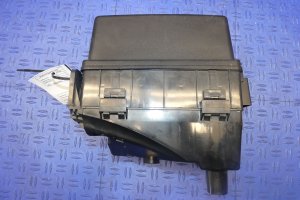
We Have This Part in Stock



The information in this article is provided for general reference and educational purposes only. Vehicle specifications, procedures, and part compatibility can vary by production date, trim level, and region. Always consult your vehicle's factory service manual and verify part numbers before purchasing or performing repairs. Safety-critical components such as airbags, seat belts, and braking systems should be installed by a qualified professional.
- Hyundai Equus:
- 🛍️ Shop This Part
- Symptoms of a Failing Fuse Block Wiring Harness
- Known Issues, Recalls, and TSBs
- Recall 251: ABS Module Fire Risk (NHTSA 24V098000)
- Buying a Used 2014-2016 Equus Fuse Block Wiring Harness
- The Critical Compatibility Check: Surround View Camera
- Physical Inspection Checklist for a Used Harness
- Replacement and Programming
- Is DIY Replacement Feasible?
- Does the Harness Need to be Programmed?
- Cost Comparison
- Frequently Asked Questions (FAQ)
- OEM Part Numbers
- 🎟️ Get 5% Off