

2015 Lincoln Navigator Fuse Box: Solving Electrical Problems and No-Start Issues
This guide covers common failures, replacement costs, and critical compatibility warnings for the 2015 Lincoln Navigator engine bay fuse and relay center.
- This fuse and relay center is for 4x4 (four-wheel drive) models ONLY. You must verify your vehicle's drivetrain before ordering.
- The fuse box itself does not require any programming or flashing; it is a plug-and-play part.
- Water intrusion from a poorly sealed cover is the most common cause of failure. Always ensure the cover is secure after installation.
- If you lose power steering, check the 125A mega fuse (per TSB SSM 46474) before replacing more expensive components.
Symptoms of a Failing Fuse and Relay Center


A problem with the engine bay fuse box can cause a wide range of confusing electrical issues. Because it controls so many different systems, symptoms can vary greatly depending on which internal circuit has failed.
- Engine Cranks But Won't Start: This is one of the most common symptoms. If the relay or fuse for the fuel pump or powertrain control module (PCM) fails within the box, the engine will turn over but won't get the fuel or spark it needs to run. 🎬 Watch this guide to diagnose fuel pump and relay issues
- Multiple Unrelated Electrical Failures: You might notice several random systems failing at once. For example, the radio, power windows, and interior lights might act up simultaneously. 🎬 Check out this 2015-2017 Navigator fuse box location guide This often points to a central power distribution problem rather than individual component failures.
- Complete Loss of Power / No Crank: If a main fuse or internal connection in the box is compromised, you may have no electrical power at all, similar to a dead battery.
- Specific System Malfunctions: Sometimes, a single circuit trace or relay inside the box fails, affecting only one component. This could be the headlights, cooling fans, or blower motor not working.
- Visible Corrosion or Melting: A physical inspection may reveal white or green corrosion around the fuses and connectors, or you might see melted plastic around a specific fuse or relay socket. This is a clear sign of failure due to moisture or a severe electrical overload.
- Audible Clicking or Buzzing: A failing relay inside the box might click rapidly or buzz when the ignition is turned on.
- Battery Drains While Parked: An internal short circuit in the fuse box can create a parasitic draw, draining your battery even when the vehicle is turned off.
Known Issues, Recalls, and Technical Service Bulletins (TSBs)

While the 2015 Navigator has been reliable, its electrical system shares traits with other Ford vehicles, including some common vulnerabilities.
Water Intrusion
Warning: The most common cause of fuse box failure is water intrusion. A TSB for similar Ford trucks (23-2133) highlights that an improperly seated or damaged fuse box cover can allow water to enter, causing corrosion and short circuits. This leads to a host of problems, including no-start conditions, an illuminated ABS light, or the horn staying on. Always ensure the cover is fully latched and the seal is in good condition after any service.
TSB for Power Steering Failure (Mega Fuse)
Technical Service Bulletin SSM 46474 notes that some 2015-2017 Navigators may lose power steering assist. Before condemning the expensive electronic power steering rack, mechanics are advised to check the 125-amp mega fuse located on the battery terminal, which is part of the fuse box assembly. If this fuse is open, it will cut power to the Power Steering Control Module (PSCM).
Note on the "Fuse 27" Fuel Pump Issue
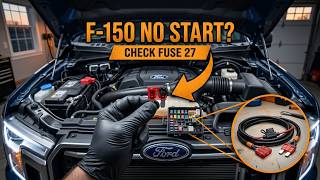
Owners of 2009-2014 Ford F-150s are very familiar with a common problem where fuse #27, which powers the fuel pump, overheats and melts its slot in the fuse box. It's important to know that the 2015 Lincoln Navigator has a different fuse box design. The fuel pump relay is in position #5, and its power comes from different fuses. Therefore, the specific "Fuse 27 relocation kit" does not apply to this vehicle. 🎬 See how the Fuse 27 melting issue affects Ford trucks However, the principle remains: a failing fuel pump drawing too much current can still overheat its corresponding relay and fuse in this fuse box.
Related Recalls
While there are no recalls for the 2015 fuse box itself, there was a recall for the front blower motor (NHTSA #17V423000), which can fail and potentially draw excess current, stressing its fuse and relay. Additionally, later model year Navigators (2021) were recalled for a battery junction box issue that could cause an engine fire, highlighting the critical safety role of this component.
Buying a Used Fuse and Relay Center
A used OEM fuse box is an excellent, cost-effective solution, especially since Ford often only services this part as part of a much more expensive engine wiring harness assembly. However, careful purchasing is key.
Verify 4WD vs. 2WD Compatibility
Critical Warning: The engine bay fuse and relay center for the 2015 Lincoln Navigator is specific to 4x4 (four-wheel drive) models. This has been verified across numerous part supplier databases. Installing a fuse box from a 2WD vehicle (or vice-versa, if a 2WD version exists) will likely result in compatibility issues with the 4x4 system and other electronics. Before ordering, you must confirm your vehicle is a 4x4 model.
Match Part Numbers Carefully
The surest way to guarantee compatibility is to match the engineering part number from your original fuse box. Look for a sticker on the side of the plastic housing. The number will typically look like FL7T-12A581-Ex. The last two letters indicate revisions, and later letters are generally compatible with earlier ones. Verified part numbers include:
- FL7T-12A581-EB, FL7T-12A581-EC, FL7T-12A581-ED, FL7T-12A581-EE, FL7T-12A581-EF, FL7T-12A581-EG
- GL7T-12A581-EA, GL7T-12A581-EB, GL7T-12A581-EC
- Service part numbers: FL7Z-12A581-A, GL7Z-12A581-E
Physical Inspection Checklist
When your used part arrives, inspect it thoroughly before installation:
- Check for Corrosion: Look for any white, green, or blue powder on the terminals or inside the fuse slots. This indicates past moisture damage, and the part should be rejected.
- Inspect for Heat Damage: Check for any melted plastic, especially around the larger fuse and relay sockets. This suggests a previous major electrical fault.
- Ensure All Covers are Intact: The box should come with its main cover. A missing or broken cover is the primary reason these units fail from water damage.
- Verify No Broken Tabs: Check that the plastic mounting tabs and connector lock tabs are not broken or cracked.
Programming and Installation
Does the Fuse Box Need Programming?
No, the fuse and relay center itself is a non-programmable, passive component. It does not need to be flashed or coded to the vehicle's VIN. It simply directs power. Any necessary programming is stored in the modules it provides power to, such as the Powertrain Control Module (PCM) or Body Control Module (BCM).
Installation Tips
Pro Tip: The replacement process is straightforward for a DIYer with basic tools. The general steps involve disconnecting the battery, removing the battery tray for access, unbolting the main power and ground cables from the fuse box, unplugging the large electrical connectors, and releasing the locking tabs that hold the box in place. When installing the new unit, make absolutely certain the main cover is snapped down securely on all sides to create a watertight seal.
Cost Breakdown
Replacing the fuse and relay center can be very expensive at a dealership, making a used OEM part a highly economical choice.
| Part Type | Estimated Cost |
|---|---|
| New OEM | $1000+ (Often sold only with the full engine harness) |
| New Aftermarket | Not commonly available |
| Used OEM | $75 - $200 |
| Shop Labor | $150 - $300 (1-2 hours) |
Frequently Asked Questions (FAQ)

Does the 2015 Navigator fuse box need to be programmed?
No. The fuse box (Battery Junction Box) is a power distribution component and does not contain software or require programming. It is a plug-and-play replacement, provided you have the correct part for your vehicle's options (specifically 4WD).
Why is it so important that I get the fuse box for a 4x4 model?
The 4x4 models have additional circuits, fuses, and relays to control the transfer case and other 4WD components. Using a fuse box from a 2WD model would leave these systems without power and cause fault codes or complete system failure.
Can I just repair the single melted fuse slot in my old fuse box?
This is not recommended. A melted fuse slot is a sign of a severe overload or a long-term moisture issue. The damage is often not just in the visible plastic terminal but also in the multi-layered circuit board inside the box. An improper repair creates a significant fire risk. Replacing the entire unit with a quality used part is the safest and most reliable solution.
What causes the fuse box to fail in the first place?
The number one cause is water getting inside from a damaged or improperly sealed cover. The second most common cause is an external component (like a failing fuel pump or blower motor) drawing excessive electrical current, which overheats and melts the internal circuits and fuse terminals over time.
Helpful Videos
Technical Specifications
OEM Part Numbers: FL7T12A581EB FL7T12A581EC FL7T12A581ED FL7T12A581EE FL7T12A581EF FL7T12A581EG FL7Z12A581A GL7T12A581EA GL7T12A581EB GL7T12A581EC GL7Z12A581E
Location: Engine Compartment. Common Name: Battery Junction Box (BJB). Note: For 4x4 (Four-Wheel Drive) models only.
We Have This Part in Stock


The information in this article is provided for general reference and educational purposes only. Vehicle specifications, procedures, and part compatibility can vary by production date, trim level, and region. Always consult your vehicle's factory service manual and verify part numbers before purchasing or performing repairs. Safety-critical components such as airbags, seat belts, and braking systems should be installed by a qualified professional.
- Lincoln Navigator:
- 🎬 Helpful Videos
- 🛍️ Shop This Part
- Symptoms of a Failing Fuse and Relay Center
- Known Issues, Recalls, and Technical Service Bulletins (TSBs)
- Water Intrusion
- TSB for Power Steering Failure (Mega Fuse)
- Note on the "Fuse 27" Fuel Pump Issue
- Related Recalls
- Buying a Used Fuse and Relay Center
- Verify 4WD vs. 2WD Compatibility
- Match Part Numbers Carefully
- Physical Inspection Checklist
- Programming and Installation
- Does the Fuse Box Need Programming?
- Installation Tips
- Cost Breakdown
- Frequently Asked Questions (FAQ)
- 🎟️ Get 5% Off