

2016-2018 Honda Pilot Engine Harness: Solving Electrical Issues Beyond the Fuse Box
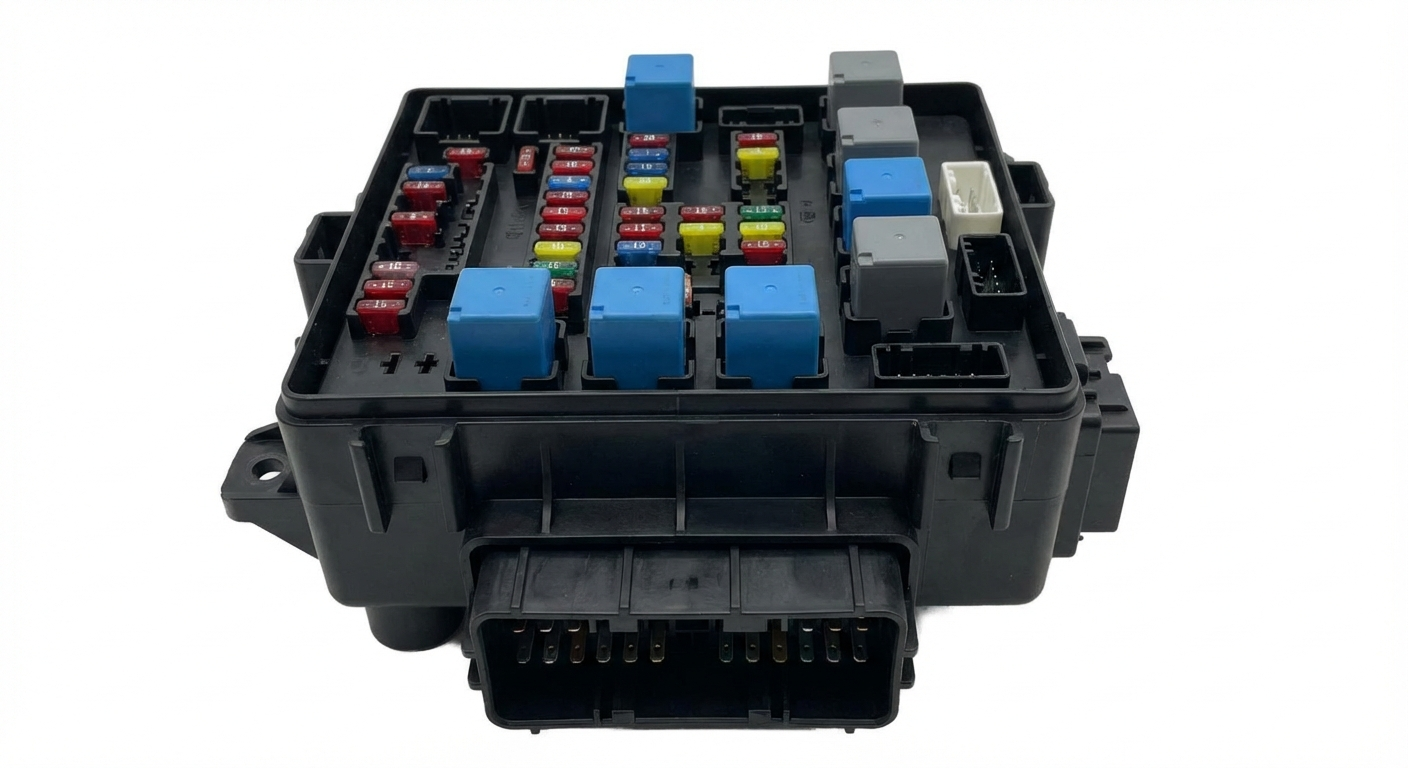
This is not just a fuse box; it's the entire engine bay wiring harness, and matching the exact part number for your Pilot's trim and options is critical.
- This part is the entire engine bay wiring harness, not just the fuse box. Fitment is extremely specific to your Pilot's VIN and options.
- Symptoms are often widespread electrical problems, including no-start, stalling, multiple warning lights, and OBD-II code P0685.
- Before condemning the harness, rule out related recalls and TSBs for the fuel pump and fuel injectors, which can cause similar symptoms.
- The harness itself does not require programming, but a dealer visit after installation is recommended for system resets and software updates.
Critical Compatibility Warning: This is a Complete Wiring Harness
Warning: The most common mistake buyers make is thinking this is a simple fuse box. It is not. This is a complete engine bay wiring harness that includes the integrated fuse and relay center. Fitment is extremely specific and is tied to your Pilot's exact year, trim level, drivetrain (AWD/FWD), and factory-installed options.
For example, part numbers like 32100-TG7-A82 are specifically for Honda Pilot EX-L models with All-Wheel Drive (AWD), equipped with the pre-collision system (Honda Sensing), but WITHOUT factory navigation and WITHOUT the rear entertainment system. Using the wrong harness will result in features not working or the vehicle not starting at all. Always verify the part number from your original harness before ordering a replacement.
Symptoms of a Failing Engine Wiring Harness
A faulty engine harness can cause a wide and often confusing array of symptoms because it connects to nearly every electrical component in the engine bay. Problems can range from intermittent annoyances to a complete no-start condition.
Engine Starting and Performance Issues
- No-Start or Hard Starting: The engine may crank but fail to start, or require extended cranking to turn over. This can be caused by a lack of power to the fuel pump, injectors, or the main engine computer.
- Sudden Stalling: The engine may cut out unexpectedly while driving, sometimes without warning. This is a serious safety concern.
- Rough Idle and Misfires: Interrupted signals to the fuel injectors or ignition coils can lead to a rough, unstable idle and random engine misfires.
- Hesitation or Power Loss: You may experience a noticeable lack of power or hesitation during acceleration as the computer struggles with inconsistent sensor data or actuator commands.
Electrical Gremlins
- Flickering Lights and Gauges: Unstable voltage due to a poor connection can cause dashboard lights, headlights, and the instrument cluster to flicker or behave erratically.
- Persistent Check Engine Light: A Check Engine Light is almost a certainty. One of the most relevant codes is P0685 (ECM/PCM Power Relay Control Circuit/Open), which directly points to an issue with the relay that powers the engine computer or its wiring. Other codes related to misfires (P0300-P0306) or air-fuel ratio imbalances (P219A, P219B) can also be triggered.
- Draining Battery: A short circuit within the harness can create a parasitic draw that drains the battery, even when the vehicle is turned off.
- Random Warning Lights: You may see a cascade of unrelated warning lights for systems like ABS, AWD, traction control, or collision mitigation, as the modules for these systems lose communication.
Known Issues, TSBs, and Recalls for 2016-2018 Honda Pilot
While there are no recalls for the entire engine harness itself, several major issues on these Pilots present with symptoms that can mimic a harness failure. It's important to rule these out first.
Auto Start/Stop Failure (NHTSA Investigation)
Many owners have reported an issue where the engine fails to restart after the Auto Start/Stop feature engages at a stop. This often requires a jump-start to get the vehicle moving again. NHTSA opened an investigation into this problem, which affects 2016-2020 Pilots. While the root cause can be complex (including battery management), it creates symptoms of a power failure that could be confused with a bad harness.
Fuel Injector Warranty Extension (TSB 20-100)
Honda issued a technical service bulletin and extended the warranty for faulty fuel injectors that could become clogged or fail. Symptoms include engine misfires, rough running, and a Check Engine Light with codes like P0420, P0430, P030x, P219A, or P219B. The fix often involves replacing the injectors and updating the PGM-FI (engine computer) software. Since these symptoms overlap with harness issues, it's crucial to have a dealer check for eligibility under this warranty extension.
Fuel Pump Recall
A massive recall was issued for failing fuel pumps which could cause the engine to stall while driving. This is a critical safety recall. Before suspecting the wiring harness for a stalling issue, ensure this recall has been performed on the vehicle.
Buying a Used Engine Wiring Harness
Due to the extremely high cost of a new OEM harness, a quality used OEM harness is often the most practical solution. Aftermarket versions of this complex part are generally not available or recommended.
How to Verify Compatibility
- Match the Part Number: This is the most important step. Locate the part number on your vehicle's original harness and match it exactly. Part numbers like 32100-TG7-A80, 32100-TG7-A81, and 32100-TG7-A82 are common, with later numbers often superseding earlier ones. Do not buy a harness based on looks alone.
- Confirm Vehicle Options: Double-check that the donor vehicle had the same trim (EX-L, Touring, etc.), drivetrain (AWD/FWD), and major options (Honda Sensing, Navigation, Rear Entertainment) as your Pilot.
Physical Inspection Checklist
Pro Tip: Pay close attention to the fuse box area and the main connectors. This is where corrosion and damage are most common.
- No Cut Wires: Inspect the entire length of the harness for any cut, spliced, or poorly repaired wires. A single cut wire can render the entire harness useless.
- Intact Connectors: Check every single plastic connector for cracks, melting, or broken locking tabs. Pay special attention to the large connectors that plug into the main computer and firewall.
- Check for Corrosion: Look for any green or white crusty buildup on the metal pins inside the connectors and on the fuse/relay terminals. Water intrusion is a common killer of these parts.
- No Signs of Melting or Fire: Any melted plastic or charred wires are an immediate red flag, indicating a severe short circuit.
- No Rodent Damage: Look for chewed wires or evidence of nesting. Rodents are a very common cause of harness failure.
Programming and Post-Installation Steps
The wiring harness itself is a passive component and does not contain software or require programming. However, the replacement process is so invasive that post-installation steps are required.
- Module Re-initialization: After disconnecting the battery and nearly every module in the engine bay, systems like power windows, sunroof, and the steering angle sensor will need to be re-initialized.
- DTC Clearing: The vehicle's computers will have stored numerous communication error codes during the swap. A full system scan and clearing of all Diagnostic Trouble Codes (DTCs) is necessary.
- Software Updates: This is a perfect time to have a Honda dealer check for and apply any available software updates, especially for the PGM-FI (ECU) and transmission, as mentioned in several service bulletins. This can resolve other underlying issues.
Dealer or Specialist Recommended: While a skilled DIY mechanic can perform the physical swap, a final visit to a dealer or a Honda specialist shop with factory scan tools is highly recommended to ensure all systems are communicating and updated correctly.
Cost Breakdown
Replacing the engine wiring harness is a labor-intensive and expensive repair. The part itself is costly, and the labor can often exceed the price of the part.
| Part or Service | Estimated Cost |
|---|---|
| New OEM Harness | $1,500 - $2,700 |
| Used OEM Harness | $400 - $900 |
| Shop Labor Cost | $1,800 - $4,000+ |
Frequently Asked Questions (FAQ)
Does the 2016-2018 Pilot engine harness need to be programmed?
No, the harness itself does not get programmed. However, after installation, the vehicle's various computer modules will need to be reset, and it's a good idea to have a dealer check for any necessary software updates for the main engine computer (PGM-FI) to resolve other potential issues.
Is this part just the under-hood fuse box?
No. This is a common and costly misunderstanding. The fuse box is integrated into the complete engine compartment wiring harness. You are replacing the entire electrical network, not just the box where the fuses and relays are located.
Can I drive my Pilot with a bad wiring harness?
It is not recommended. Symptoms can include sudden engine stalling, which is a critical safety risk in traffic. Electrical shorts can also pose a fire hazard. If you suspect a harness issue, you should have the vehicle diagnosed and repaired as soon as possible.
Why is this repair so expensive?
The part itself is complex and manufactured with miles of copper wire and dozens of specific connectors. The labor cost is very high because the technician must disconnect almost every component in the engine bay, carefully route the new harness, and reconnect everything precisely. It is one of the most labor-intensive electrical repairs on a modern vehicle.
Technical Specifications
OEM Part Numbers: 32100-TG7-A80 32100-TG7-A81 32100-TG7-A82 32100TG7A80 32100TG7A81 32100TG7A82 32100-TG7-A02
Complete engine compartment wiring harness assembly with integrated fuse and relay box. Connectors and layout are specific to trim, drivetrain, and factory options (Honda Sensing, Navigation, etc.).
We Have This Part in Stock




The information in this article is provided for general reference and educational purposes only. Vehicle specifications, procedures, and part compatibility can vary by production date, trim level, and region. Always consult your vehicle's factory service manual and verify part numbers before purchasing or performing repairs. Safety-critical components such as airbags, seat belts, and braking systems should be installed by a qualified professional.
- Honda Pilot:
- 🛍️ Shop This Part
- Critical Compatibility Warning: This is a Complete Wiring Harness
- Symptoms of a Failing Engine Wiring Harness
- Engine Starting and Performance Issues
- Electrical Gremlins
- Known Issues, TSBs, and Recalls for 2016-2018 Honda Pilot
- Auto Start/Stop Failure (NHTSA Investigation)
- Fuel Injector Warranty Extension (TSB 20-100)
- Fuel Pump Recall
- Buying a Used Engine Wiring Harness
- How to Verify Compatibility
- Physical Inspection Checklist
- Programming and Post-Installation Steps
- Cost Breakdown
- Frequently Asked Questions (FAQ)
- 🎟️ Get 5% Off