

2021-2025 Dodge Durango Fuse & Relay Center: Proxi Alignment, Electrical Problems, and Replacement Guide
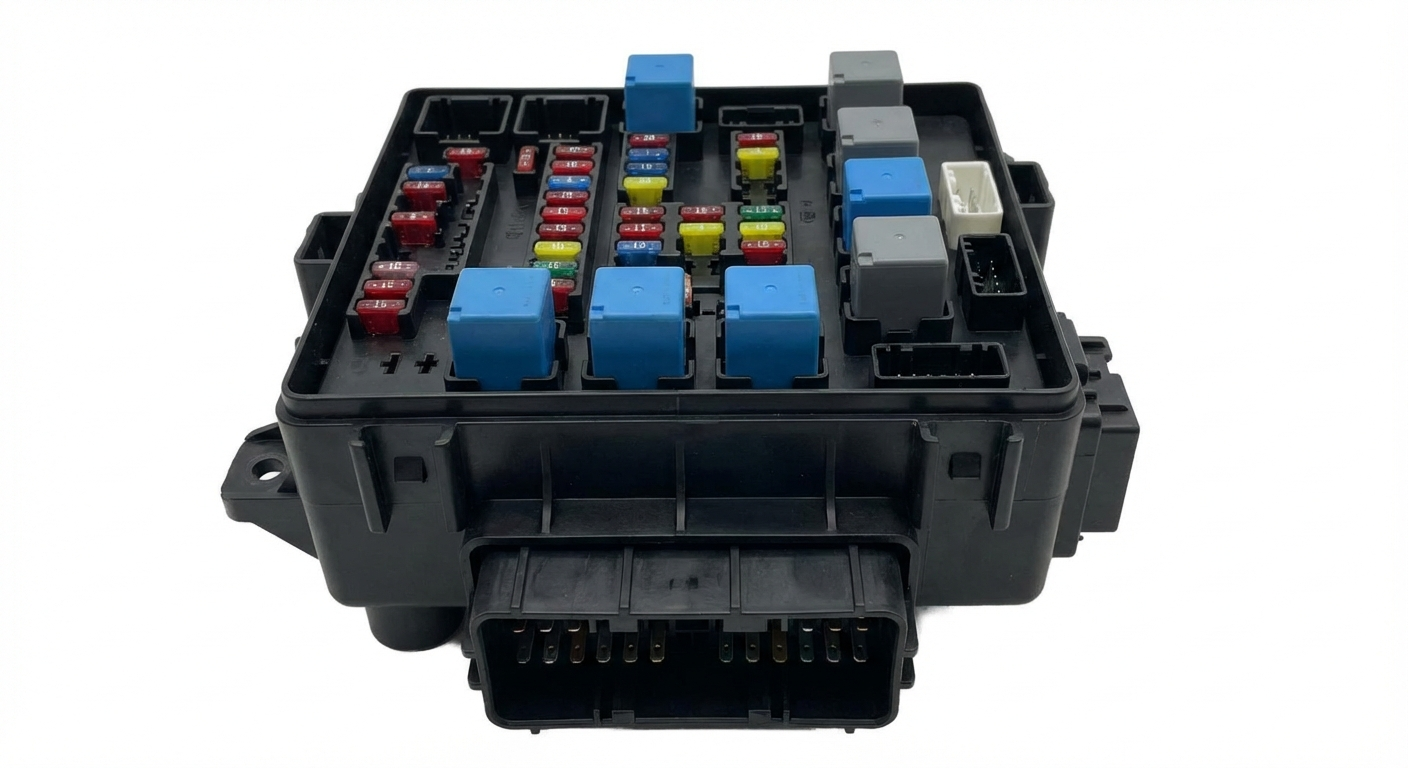
This guide details common electrical failures, programming requirements, and compatibility warnings for the 2021-2025 Dodge Durango Fuse and Relay Center.
- This part is NOT plug-and-play. It requires a "Proxi Alignment" programming procedure after installation, which must be done by a dealer or a well-equipped shop.
- Compatibility is critical. The main part number (68467215AC) is for models WITHOUT auto start/stop and WITHOUT a vehicle tracking system. Verify your vehicle's options before buying.
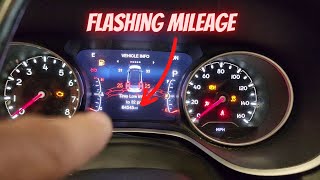
- A flashing odometer after installation is the primary sign that the required Proxi Alignment has not been performed.
- Symptoms often involve bizarre, unrelated electrical failures, including stalling, no-start conditions, and a dead battery.
Symptoms of a Failing Fuse and Relay Center

A bad Fuse and Relay Center can cause some of the most confusing and unpredictable electrical problems. Because it controls so many different circuits, symptoms can appear unrelated. One owner of a 2019 model reported a burning plastic smell, followed by the vehicle shutting off at a red light, with the dash lights flickering until the battery died; the cause was found to be a burnt power line leading to the fuse box. Another owner described their dashboard lighting up "like a Christmas tree" on the freeway, with the radio shutting off and wipers turning on by themselves, followed by a complete loss of power.
- Widespread Electrical Malfunctions: Multiple, unrelated systems may fail at once. This can include power windows, door locks, radio, and climate controls turning on and off by themselves.
- No-Start or Stalling: The vehicle may crank but not start, or it may stall unexpectedly while driving. This can be due to the fuel pump or engine computer losing power from a faulty internal relay in the fuse center.
- Dead Circuits: One or more specific systems may stop working entirely, such as the headlights, horn, or wipers.
- Parasitic Battery Drain: A fault inside the module can cause a circuit to stay active after the vehicle is turned off, draining the battery overnight. Technicians have diagnosed parasitic draws on these vehicles that can take over 30 minutes to finally go to sleep, if they do at all.
- Flickering Lights: Headlights, interior lights, or dashboard lights may flicker or behave erratically.
- Warning Lights on Dash: You may see multiple warning lights, including the check engine light, stability control light, or battery light.
Associated OBD-II Diagnostic Codes
A failing Fuse and Relay Center often won't set a code for itself. Instead, it causes communication failures between other modules. The most common code associated with this issue is:
- U0140 - Lost Communication With Body Control Module (BCM): The Fuse and Relay Center is in constant communication with the BCM. A TSB for 2023 models specifically addresses this fault code. 🎬 Watch this guide on diagnosing and fixing code U0140 If this link is broken, widespread electrical chaos can occur.
You may also see a flood of other communication codes (U-codes) or fault codes in other modules that have lost power or communication with the rest of the vehicle.
Warning: Many of these symptoms can also be caused by a failing alternator, a bad battery (including the auxiliary battery in models with the start/stop system), or poor ground connections. It is essential to perform a full electrical system diagnosis before condemning the Fuse and Relay Center.
Known Issues, TSBs, and Recalls

As of mid-2026, there are no active recalls specifically for the Fuse and Relay Center on 2021-2025 Dodge Durango models. However, there are several related Technical Service Bulletins (TSBs) and owner complaints regarding electrical issues:
- NHTSA TSB 08-251-23: For 2021-2023 models, this bulletin addresses an issue where SRT Performance Pages data is missing. The fix is to perform a "Restore Vehicle Configuration" with a dealer scan tool, a procedure related to module programming.
- NHTSA TSB S2308000138: This bulletin is for troubleshooting the U0140-00 code (Loss of Communication with the Body Control Module), a key symptom of module network issues.
- Customer Satisfaction Notification 58B: This applies to 2021-2025 Durango Pursuit vehicles with the 5.7L engine, addressing a potential oil cooler failure due to high coolant flow, not a fuse box issue.
- Common Complaints: Owners frequently report issues with exterior lighting, such as daytime running lights failing or water getting into the rear "racetrack" taillight assembly, causing shorts. While not a direct failure of the fuse box, these are common electrical system problems for this generation.
IMPORTANT: Programming and Calibration Required

This is not a plug-and-play part. Replacing the Fuse and Relay Center on a 2021-2025 Dodge Durango requires a special programming procedure called a Proxi Alignment or Proxi Configuration.
The Proxi Alignment procedure is like an introduction or handshake. It syncs the new module with the vehicle's master configuration list, which is stored in the Body Control Module (BCM). This allows all the computers on the vehicle's network to recognize and communicate with the new Fuse and Relay Center correctly.
What happens if you don't perform a Proxi Alignment?
- The odometer will flash continuously. This is the most common indicator of a proxi mismatch. 🎬 Watch why your Dodge or Jeep odometer flashes and what it means
- Various electrical features may not work correctly or at all.
- You may have numerous communication fault codes stored in multiple modules.
This procedure must be performed with a compatible high-level diagnostic scan tool. This can be done by a Dodge dealer using their proprietary wiTECH software, 🎬 See how a wiTECH Proxi Alignment procedure is performed or by a well-equipped independent repair shop with tools from brands like Autel, Snap-on, or software like AlfaOBD or Appcar DiagFCA. This is not something that can be done with a basic OBD-II code reader.
Buying a Used Fuse and Relay Center: What to Look For
A used OEM Fuse and Relay Center is an excellent, cost-effective alternative to a brand-new unit, especially since aftermarket options are not readily available. However, you must be extremely careful to buy the correct part.
- Match the Part Number EXACTLY: The most critical step is to match the OEM part number. The primary part numbers for this range are 68467215AB and the newer, superseding part number 68467215AC. If your original unit is an 'AB', an 'AC' version is a direct, updated replacement. Do not install a part with a different number.
- Verify Vehicle Options: The part numbers listed (68467215AB/AC) are specified for models WITHOUT the automatic engine stop/start feature and WITHOUT a vehicle tracking system. If your Durango has these options, this part will not work correctly. You must find a unit from a vehicle with the exact same options.
- Physical Inspection: Before purchasing, carefully inspect all photos of the used unit. Look for:
- No Corrosion: Check the pins in every connector port for any green or white crusty buildup. Water damage is a killer for these modules.
- No Melted Plastic: Look for any signs of melting or charring on the housing or around the large fuse connections, which indicates a severe short circuit.
- Intact Connectors: Ensure none of the plastic connector housings are cracked or broken from improper removal.
Pro Tip: When buying used, try to get a part from a vehicle with similar or lower mileage. While these modules are not typically wear items, they are complex electronic components. A part from a low-mileage, collision-damaged vehicle is often an ideal donor.
Cost Breakdown
The cost to replace the Fuse and Relay Center can vary significantly based on the part source and labor rates.
| Item | Estimated Cost |
|---|---|
| New OEM (Dealer) | $950 - $1,300 |
| New OEM (Online) | $700 - $900 |
| Used OEM | $150 - $400 |
| Shop Labor (Installation & Proxi Alignment) | $200 - $400 |
Frequently Asked Questions (FAQ)
Do I have to get my new Fuse and Relay Center programmed?
Yes, absolutely. After installation, the module must be programmed to your vehicle using a procedure called Proxi Alignment. Failure to do so will result in a flashing odometer and potential malfunction of various electrical systems. This requires a professional-grade scan tool.
What is a Proxi Alignment?
Proxi Alignment is a diagnostic procedure that syncs all the electronic control modules in the vehicle. It ensures that a new module, like the Fuse and Relay Center, is recognized by the Body Control Module (BCM) and can communicate properly on the vehicle's data network.
Can I install this part myself?
The physical installation is straightforward for a DIY mechanic with moderate experience. It involves disconnecting the battery, removing several electrical connectors, and unbolting the unit from the engine bay. However, you will still need to take the vehicle to a dealer or qualified shop immediately after installation to have the required Proxi Alignment performed.
Why is my odometer flashing after replacing the fuse box?
A flashing odometer is the classic symptom that a Proxi Alignment is needed. It means the Body Control Module has detected a new or mismatched module on the network that has not been properly configured to the vehicle.
Is this part the same as a TIPM?
While it serves a similar function, the term "TIPM" (Totally Integrated Power Module) is generally associated with older Chrysler, Dodge, and Jeep vehicles that were notorious for electrical problems. For the 2021-2025 Durango, the correct term is Power Distribution Center (PDC) or Fuse and Relay Center. While the name has changed, the function as a central electrical controller remains.
Helpful Videos
Technical Specifications
OEM Part Numbers: 68467215AB 68467215AC
Intelligent power distribution module with integrated fuses, relays, and a microprocessor. Communicates on the vehicle's CAN bus network.
We Have This Part in Stock



The information in this article is provided for general reference and educational purposes only. Vehicle specifications, procedures, and part compatibility can vary by production date, trim level, and region. Always consult your vehicle's factory service manual and verify part numbers before purchasing or performing repairs. Safety-critical components such as airbags, seat belts, and braking systems should be installed by a qualified professional.
- Dodge Durango:
- 🎬 Helpful Videos
- 🛍️ Shop This Part
- Symptoms of a Failing Fuse and Relay Center
- Associated OBD-II Diagnostic Codes
- Known Issues, TSBs, and Recalls
- IMPORTANT: Programming and Calibration Required
- Buying a Used Fuse and Relay Center: What to Look For
- Cost Breakdown
- Frequently Asked Questions (FAQ)
- 🎟️ Get 5% Off