

2015-2017 Buick Enclave Fuse Box: Solving Electrical Issues and Tow Package Mismatches
This guide covers the diagnosis, replacement, and crucial compatibility details for the underhood fuse and relay center in your 2015-2017 Buick Enclave.
- You MUST match the fuse box to your vehicle's factory tow package (RPO V92); they are not interchangeable.
- This part does NOT require programming, making a used OEM unit a cost-effective, plug-and-play repair.
- Water intrusion from cowl leaks is the number one cause of failure, leading to corrosion and widespread electrical issues.
- A crank-no-start condition is often caused by a failed internal fuel pump relay, which requires replacement of the entire fuse box.
Known Issues for 2015-2017 Enclave Fuse Centers

Water Intrusion and Corrosion
One of the most common causes of failure for the Enclave's fuse box is water intrusion. Leaks from a degraded windshield cowl seal or hood seal can allow water to drip directly onto the fuse box cover and seep inside. This moisture leads to corrosion on the internal circuit board and the connector pins, appearing as a green or white powder. The resulting short circuits can cause a wide range of bizarre and intermittent electrical problems.
Internal Relay and Terminal Failure
Many critical relays, such as the one for the fuel pump, are soldered directly to the fuse box's internal circuit board. Over time, these relays can fail, leading to issues like a crank-no-start condition. Additionally, a class-action lawsuit was filed concerning the fuse block terminals losing tension over time, particularly the engine relay terminal. This looseness, worsened by normal engine vibration, can disrupt the electrical connection and cause stalling, loss of power, or a failure to start.
Compatibility Warning: The Factory Tow Package (RPO V92) is the most critical detail when replacing this part. Fuse boxes for Enclaves with the tow package are different from those without. They contain extra circuits and relays for trailer lighting and brakes. Installing the wrong version will result in malfunctioning systems and is not recommended.
Symptoms of a Failing Fuse and Relay Center

A faulty fuse box can manifest in numerous ways, often making it difficult to diagnose. Because it controls so many different systems, symptoms can seem random and unrelated.
- Crank but No Start: This is a classic symptom of a failed internal fuel pump relay. The engine turns over but won't fire because it's not receiving fuel.
- Multiple, Unrelated Electrical Failures: Systems like the radio, power windows, door locks, and climate control may stop working simultaneously or intermittently.
- Warning Lights on Dash: You may see Stabilitrak, ABS, or other warning lights appear, sometimes accompanied by a loss of power steering or brakes as the vehicle stalls.
- Flickering Lights or Erratic Behavior: Headlights or interior lights may flicker, and components may work one moment and not the next.
- Audible Clicking: A rapid clicking sound may be heard from the fuse box area or door switches as relays attempt to engage but fail due to poor connections.
- Blown Fuses: While a single blown fuse is normal, if the same fuse blows repeatedly, it could indicate a short within the fuse box itself.
OBD-II codes will often point to the component that lost power (e.g., P0119 for engine coolant temp sensor, P1682 for ignition switch circuit) rather than the fuse box itself, which can be misleading for technicians.
Buying a Used 2015-2017 Enclave Fuse Center

A used OEM fuse box is an excellent, cost-effective repair option because it does not require any dealer programming. However, careful inspection is key to getting a good part.
- Verify Tow Package Compatibility: This is the most important step. You must match the part to your vehicle's configuration. If your Enclave has the factory tow package (RPO code V92), you need a fuse box from a donor vehicle that also had it. The part numbers are different.
- Check Part Numbers: Match one of the known OEM part numbers (20757040, 23436803, 23436804, 23436805, 23436806, 23436809) to the part you are buying.
- Inspect for Corrosion: Carefully examine all the external connector pins where the wiring harnesses plug in. Look for any signs of green or white crusty residue. Do not buy a unit that shows any evidence of water damage.
- Examine the Housing: Check the plastic case for any cracks, melting, or signs of excessive heat, especially around the larger relay sockets.
- Choose OEM Over Aftermarket: A used original GM part is often more reliable than a new aftermarket unit. Aftermarket versions can use lower-quality internal components that may not last as long. Since no programming is needed, a tested, warrantied used OEM part provides the best value.
Replacement Overview
Replacing the underhood fuse box is a straightforward job that a DIY mechanic can typically complete in about an hour.
- Disconnect the Battery: Always disconnect the negative battery terminal before working on any major electrical components.
- Remove the Cover: Unclip and remove the fuse box cover.
- Unplug Connectors: The large wiring harness connectors have locking levers. Pivot these levers to release the connectors and pull them straight out.
- Unbolt the Fuse Box: Remove the bolts or nuts securing the fuse box to its bracket in the engine bay.
- Swap the Unit: Install the replacement fuse box and secure it.
- Reconnect Everything: Plug in all the wiring harness connectors, ensuring the locking levers click firmly into place. Reconnect the battery terminal.
Pro Tip: Before disconnecting the old unit, take a clear photo of the top of the fuse box. While most fuses and relays are integrated, 🎬 Watch: Locate and identify your fuses and relays some may need to be transferred to the new box. This photo will serve as a valuable reference.
Cost Comparison
| Part Type | Estimated Cost |
|---|---|
| New OEM | $350 - $500 |
| New Aftermarket (Dorman, etc.) | $250 - $400 |
| Used OEM | $75 - $200 |
| Shop Labor | $120 - $270 |
Frequently Asked Questions (FAQ)

Does the 2015-2017 Enclave fuse box need to be programmed?
No. The underhood fuse and relay center does not require any programming, flashing, or coding. It is a direct plug-and-play replacement, which makes a used OEM part an ideal choice.
What is the main cause of fuse box failure on these vehicles?
The two most common causes are water intrusion from leaking cowl or hood seals leading to corrosion, and internal failure of a non-serviceable component like the fuel pump relay.
Can I use a fuse box from a Chevy Traverse or GMC Acadia?
While these vehicles are built on the same platform and the parts may look identical, part numbers can differ. To ensure 100% compatibility with all features and options, it is strongly recommended to use a fuse box with a part number that matches your original Enclave unit.
What happens if I install a non-tow package fuse box on a vehicle with the tow package?
If you install a standard fuse box on an Enclave equipped with the V92 tow package, your trailer connections for lights and brakes will not function because the necessary internal circuits and relays are missing from the box.
Helpful Videos
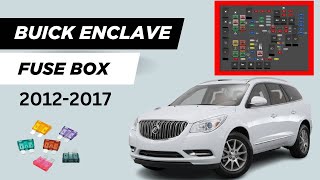
Technical Specifications
OEM Part Numbers: 20757040 23436803 23436804 23436805 23436806 23436809
Houses blade fuses, J-case fuses, and relays. Contains internal, non-serviceable printed circuit board. Two main variants exist: with and without trailer package (RPO V92).
We Have This Part in Stock



The information in this article is provided for general reference and educational purposes only. Vehicle specifications, procedures, and part compatibility can vary by production date, trim level, and region. Always consult your vehicle's factory service manual and verify part numbers before purchasing or performing repairs. Safety-critical components such as airbags, seat belts, and braking systems should be installed by a qualified professional.
- Buick Enclave:
- 🎬 Helpful Videos
- 🛍️ Shop This Part
- Known Issues for 2015-2017 Enclave Fuse Centers
- Water Intrusion and Corrosion
- Internal Relay and Terminal Failure
- Symptoms of a Failing Fuse and Relay Center
- Buying a Used 2015-2017 Enclave Fuse Center
- Replacement Overview
- Cost Comparison
- Frequently Asked Questions (FAQ)
- 🎟️ Get 5% Off