

2006-2007 Suzuki Aerio Fuel Tank: A Guide to Leaks, EVAP Codes, and Replacement
This guide covers common failure symptoms, inspection tips for a used tank, and cost breakdowns for your 2006-2007 Suzuki Aerio.
- The most critical failure is a fuel leak, indicated by a strong gas smell or visible drips, which poses a serious fire hazard and requires immediate attention.
- Rust is the primary enemy of the steel fuel tank; thoroughly inspect any used tank for corrosion on the seams and around mounting points before buying.
- A Check Engine Light with EVAP codes like P0441 or P0456 often points to a leak in the fuel system, which could be the tank, filler neck, or even a loose gas cap.
- While replacing the tank, it is highly recommended to also replace the fuel pump assembly to avoid future repairs, as the labor is the most significant part of the job.
Symptoms of a Failing Fuel Tank

A problem with the fuel tank on a 2006-2007 Suzuki Aerio can show up in several ways. Being aware of these signs can help you diagnose the issue before it becomes a major safety hazard.
- Strong Fuel Smell: The most obvious and dangerous symptom is a persistent gasoline odor inside or outside the car. This is often caused by a crack in the tank, a rusted seam, a leaking fuel pump seal, or a problem with an EVAP system hose.
- Visible Fuel Leaks: You might see puddles or wet spots on the ground under the rear of the vehicle. Fuel tanks can develop cracks or rust holes that allow liquid gasoline to drip out.
- Check Engine Light: The fuel tank is a key part of the EVAP system. If there's a leak, it will cause a pressure change that the vehicle's computer will detect, triggering a Check Engine Light. Common codes include P0441 (Incorrect Purge Flow) and P0456 (Evaporative Emission System Leak Detected).
- Difficulty Starting or Poor Engine Performance: If the tank is corroded internally, rust particles can clog the fuel filter or damage the fuel pump. This can lead to the engine struggling to start, hesitating during acceleration, or stalling.
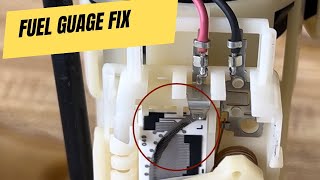
- Erratic Fuel Gauge: While often a sign of a bad fuel level sending unit, severe internal tank corrosion can sometimes interfere with the float mechanism, causing incorrect fuel level readings. 🎬 Watch this guide on fixing an incorrect fuel gauge reading
Known Issues, Recalls, and TSBs

As of mid-2026, there are no specific recalls from the National Highway Traffic Safety Administration (NHTSA) for the fuel tank itself on the 2006-2007 Suzuki Aerio. However, several Technical Service Bulletins (TSBs) and related issues are relevant:
- TSB #0611235: This bulletin addresses an issue where the Engine Control Module (ECM) software might incorrectly set a P0441 EVAP code, suggesting a purge flow problem that could be related to the fuel tank system.
- TSB #0802106: This TSB deals with diagnosing a P0456 code, which indicates a small leak in the EVAP system. This leak could originate from the fuel tank, filler neck, or associated hoses.
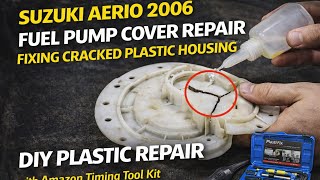
- Cracked Fuel Pump Housing: 🎬 Watch how to repair a cracked fuel pump plastic housing Some owners have reported a strong fuel smell and leaks originating not from the tank itself, but from a crack in the plastic housing of the fuel pump module that sits on top of the tank. This requires dropping the tank to access and either repair or replace the fuel pump assembly.
Pro Tip: Before assuming the tank is bad, always check the gas cap. A loose or faulty gas cap is a very common cause for an EVAP-related Check Engine Light.
Buying a Used 2006-2007 Aerio Fuel Tank: What to Inspect

A recycled OEM fuel tank can be a cost-effective and reliable option, but a thorough inspection is crucial to avoid safety issues and installation headaches. Here’s what to check before you buy:
- Check for Rust: This is the most important check. Inspect the entire outer surface, paying close attention to the seams where the top and bottom halves of the tank are welded together. Also, check the areas where the mounting straps hold the tank to the vehicle, as moisture can get trapped there.
- Look Inside: If possible, use a flashlight to look inside the filler neck opening and the fuel pump opening. Look for signs of internal rust, debris, or a sludgy film. Internal rust can quickly clog your fuel system.
- Inspect the Filler Neck: The filler neck, where you insert the fuel nozzle, is a common failure point. Ensure it is not bent, heavily rusted, or cracked. Aftermarket filler necks are available, but a tank with a clean, original neck is preferable.
- Examine the Fuel Pump Mounting Area: Check the plastic or metal ring where the fuel pump assembly locks into the tank. Ensure it is not cracked, warped, or damaged. A bad seal here will cause a fuel leak and EVAP codes.
- Verify All Connections: Look at all the small ports and hose connections on top of the tank. Make sure none are cracked, brittle, or broken off. These are critical for the EVAP system.
Choosing a used OEM tank over a cheap aftermarket one is often wise. OEM tanks are guaranteed to have the correct shape, mounting points, and connection locations, ensuring a proper fit and seal. Aftermarket tanks can sometimes have slight variations that lead to installation problems or leaks.
Cost Comparison: New vs. Used Aerio Fuel Tank
Replacing a fuel tank can be expensive, but buying a used part can offer significant savings. Here is an estimated cost breakdown:
| Part Type | Estimated Cost |
|---|---|
| New OEM | $600 - $800+ (if available) |
| New Aftermarket | $150 - $300 |
| Used OEM | $75 - $200 |
| Shop Labor | $244 - $358 |
Note: Prices are estimates as of mid-2026 and can vary based on supplier, location, and part condition. New OEM tanks may be difficult to source.
Replacement Overview

Replacing the fuel tank on a 2006-2007 Suzuki Aerio is a difficult job that involves significant safety risks due to the handling of gasoline. It is typically not recommended for beginners.
- Difficulty: 4 out of 5
- Estimated Time: 3-5 hours
- General Steps: The process involves safely draining all fuel from the tank, disconnecting the battery, relieving fuel system pressure, lowering the exhaust system, supporting the tank, disconnecting fuel lines, electrical connectors, and EVAP hoses, and finally, removing the mounting straps to lower the tank from the vehicle.
Warning: Never work on a fuel system near an open flame or sparks. Gasoline vapors are highly flammable. Always work in a well-ventilated area and have a fire extinguisher rated for gasoline fires (Class B) nearby.
Frequently Asked Questions (FAQ)
Can I repair a leaking plastic or metal fuel tank?
Professionals strongly advise against repairing a leaking fuel tank. Patches and sealants are often temporary fixes and can fail, leading to dangerous leaks. Replacement is the only safe and permanent solution.
Do I need to replace the fuel pump when I replace the tank?
While not strictly required, it is highly recommended. The fuel pump is already accessible once the tank is removed, and replacing it at the same time can save you from having to do the same labor-intensive job again in the near future if the old pump fails.
Will a fuel tank from a different year Aerio fit my 2006-2007 model?
Fuel tanks for the Aerio are generally compatible from 2002-2007. However, always verify the part number and visually compare the old tank with the replacement to ensure all connections and mounting points match exactly before installation.
What causes the fuel tank to fail?
The most common cause of failure for the metal fuel tanks used in this era is rust and corrosion, which can be accelerated by road salt in winter climates. For plastic components like the fuel pump housing, age and heat cycles can cause the plastic to become brittle and crack.
Technical Specifications
This information is for reference. Always confirm fitment with the seller using your vehicle's VIN.
| Specification | Detail |
|---|---|
| Material | Steel |
| Known OEM Part Numbers | 89101-54G12, 89101-54G21, 89101-54GA1, 8910154GA1 |
Helpful Videos
Technical Specifications
OEM Part Numbers: 89101-54G12 89101-54G21 89101-54GA1 8910154GA1
Material: Steel

The information in this article is provided for general reference and educational purposes only. Vehicle specifications, procedures, and part compatibility can vary by production date, trim level, and region. Always consult your vehicle's factory service manual and verify part numbers before purchasing or performing repairs. Safety-critical components such as airbags, seat belts, and braking systems should be installed by a qualified professional.
- Suzuki Aerio: