

2003-2008 Dodge Viper Fuel Tank: Solving Leaks, Fuel Starvation, and Replacement Challenges
This guide covers the common failure points, part number changes, and what to inspect on a used fuel tank for your Gen 3 or Gen 4 Viper.
- Fuel tank replacement is extremely difficult, requiring a hole to be cut in the trunk's rear bulkhead per the factory service manual.
- A cracked filler neck is the most common failure, causing fuel smells and leaks. Aftermarket aluminum repair kits offer a permanent solution.
- Fuel starvation during hard left turns is a known characteristic of the platform, even with a partially full tank.
- When buying a used tank, meticulously inspect the filler neck area for cracks or signs of previous repairs.
Known Issues for 2003-2008 Viper Fuel Tanks

The fuel tank and its related components on the Gen 3 and Gen 4 Dodge Viper are known for a few specific issues, ranging from minor annoyances to problems that can sideline the vehicle.
Cracked Filler Neck
One of the most common problems is a crack developing where the plastic filler neck joins the main body of the tank. This often results in a strong fuel smell, especially after filling up, and can lead to visible fuel leaks. The failure is common enough that aftermarket repair kits made from machined aluminum are available to provide a more permanent solution than replacing the tank with another OEM unit that could fail the same way. These kits can often be installed by removing the right rear wheel and inner fender liner, avoiding the need to remove the tank itself.
Fuel Starvation on Left Turns
A well-documented issue, particularly for Vipers used in performance driving, is fuel starvation during long, hard left-hand turns. This happens when the fuel in the tank sloshes to one side, uncovering the fuel pump pickup. The engine will hesitate or stumble as if it's out of gas, even with a half-full tank or more. This points to a potential limitation in the factory tank's baffling and fuel pump basket design. While no specific recall addresses this, it's a known characteristic of the platform.
EVAP System Leaks (Codes P0440, P0456)
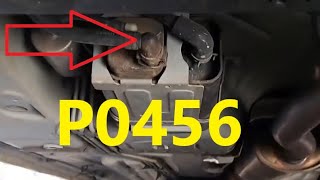
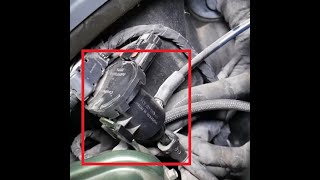
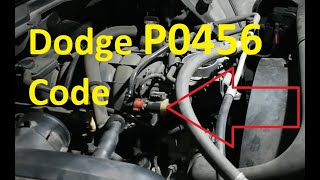
Check Engine Lights related to small (P0456) 🎬 Watch this guide on diagnosing P0456 small EVAP leaks or gross (P0440) EVAP system leaks 🎬 See common causes and fixes for code P0440 are frequent. While a loose gas cap is a common cause on many cars, the capless system on some Vipers means the leak is often elsewhere. Potential culprits include a faulty purge valve, a bad vent valve on the charcoal canister, a failed fuel tank pressure sensor, or cracked vapor lines. A leak at the filler neck seal can also trigger these codes.
Recalls and Technical Service Bulletins (TSBs)
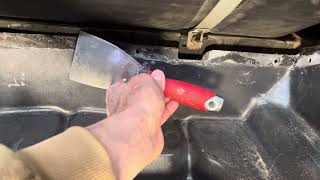
While there are no widespread recalls specifically for the fuel tank on 2003-2008 Vipers, there was a recall for some 2003 models concerning the fuel pump. Additionally, a TSB was issued for earlier generation Vipers regarding a procedure for creating an access panel to remove the fuel tank, 🎬 Watch a video walkthrough of removing a Viper fuel tank a method that is still relevant for these later models. Always check your specific VIN with a Dodge dealer for any open recalls.
Warning: A fuel leak of any kind is a serious fire hazard. If you smell gasoline, see a leak, or suspect a problem, do not drive the vehicle and have it inspected immediately.
Symptoms of a Failing Fuel Tank

- Strong Fuel Smell: This is the most common sign, often caused by a crack in the filler neck or a leaking seal. The smell may be stronger outside the car, in the trunk, or after refueling.
- Check Engine Light: EVAP codes like P0440, P0442, and P0456 often point to a leak in the fuel system, which could be the tank, filler neck, or associated hoses.
- Visible Fuel Leaks: Puddles or drips of gasoline under the rear of the car are a critical warning sign. Stains on the tank itself also indicate a past or present leak.
- Engine Hesitation on Turns: If the engine stumbles during hard cornering, especially left turns, it's a classic symptom of fuel starvation.
- Difficulty Refueling: If the gas pump nozzle constantly clicks off before the tank is full, it can indicate a problem with the tank's venting system or the ORVR valve.
Buying a Used 2003-2008 Dodge Viper Fuel Tank

Given the high cost of a new OEM tank, a used unit is a practical option. However, careful inspection is crucial to avoid inheriting the same problems.
Inspection Checklist:
- Filler Neck Integrity: This is the #1 failure point. Meticulously inspect the area where the filler neck joins the tank. Look for hairline cracks, signs of plastic welding or epoxy repairs, and any discoloration that could indicate a slow leak. Flex the neck gently to see if any cracks appear.
- Check for Leaks and Stains: Look over the entire surface of the tank for dark, stained areas. These indicate where fuel has previously seeped through the plastic. Pay close attention to the seams.
- Fuel Pump Mounting Surface: Ensure the top surface where the fuel pump module seals is flat and free of warping or deep scratches. A damaged sealing surface will cause a persistent EVAP leak and fuel smell.
- Intact Fittings and Vents: Check that all hose connections and vent nipples are intact and not cracked or broken. These can become brittle with age and break during removal or installation.
- Verify Part Number: The OEM part number has been updated several times (from 05290097AB to 05290097AH). While they are generally interchangeable for this year range, getting the latest version (ending in AH) is advisable as it may include design improvements.
Pro Tip: When buying a used tank, it's highly recommended to also purchase a new fuel pump module seal and lock ring. Reusing old seals is a common cause of post-repair leaks. Consider replacing the fuel pump while the tank is out to save on future labor costs.
Replacement Overview and Difficulty

Replacing the fuel tank on a Dodge Viper is a difficult and labor-intensive job, not recommended for beginners.
- Difficulty Rating: 5/5 (Professional level)
- Estimated Time: 5-8 hours
- DIY Feasible: No
Unlike most cars, the fuel tank cannot be simply unbolted and dropped. The official service procedure, and the one most commonly used by shops, involves cutting an access hole in the rear bulkhead of the trunk. Dodge even manufactured a factory panel to cover this hole after the service is complete. An alternative method involves dropping the entire rear subframe and drivetrain assembly, which is even more complex. Due to the complexity and safety risks of working with the fuel system and cutting the vehicle's structure, this job should be left to a professional technician experienced with Vipers.
Cost Comparison
Prices can vary significantly based on location and availability. The following are estimates to help understand the value of a used OEM part.
| Part Type | Estimated Cost |
|---|---|
| New OEM | $250 - $450 |
| New Aftermarket | Not commonly available |
| Used OEM | $150 - $300 |
| Shop Labor | $350 - $550+ |
OEM Part Numbers and Vehicle Fitment
This fuel tank fits 2003-2008 Dodge Viper SRT-10 models. The part numbers have been superseded over the years, indicating revisions and improvements. All the numbers below are considered interchangeable for this generation.
- 05290097AB
- 05290097AC
- 05290097AF
- 05290097AG
- 05290097AH (Latest known version)
While the chassis and body are similar between Gen 3 (2003-2006) and Gen 4 (2008), the Gen 4 introduced a new engine and transmission. However, the fuel tank appears to have remained consistent across this range. Always verify fitment with your vehicle's VIN.
Frequently Asked Questions (FAQ)
Why does my Viper hesitate on sharp left turns?
This is a known issue called fuel starvation. During high-G left turns, the fuel sloshes away from the fuel pump pickup, causing a temporary loss of fuel pressure. It's a limitation of the stock tank's baffling and is more noticeable when the tank is less than three-quarters full.
Do I really have to cut a hole in my car to replace the fuel tank?
Yes, this is the factory-recommended procedure for tank removal. It provides the necessary access to disconnect lines and maneuver the tank out of the vehicle. The alternative is dropping the entire rear drivetrain, which is significantly more labor-intensive.
What is the ORVR valve mentioned in the description?
ORVR stands for Onboard Refueling Vapor Recovery. It's an emissions control valve inside the fuel tank that captures gasoline vapors that would otherwise escape into the atmosphere during refueling. A faulty ORVR system can cause the fuel nozzle to shut off repeatedly while you're trying to fill the tank.
Can I just repair my cracked fuel tank?
While some plastic repair methods exist, they are often unreliable for gasoline tanks. For the common filler neck crack, a much better solution is a dedicated aftermarket repair kit made of machined aluminum, which provides a permanent fix without replacing the entire tank.
Helpful Videos
Technical Specifications
OEM Part Numbers: 05290097AB 05290097AC 05290097AF 05290097AG 05290097AH
Capacity: 16 Gallons

The information in this article is provided for general reference and educational purposes only. Vehicle specifications, procedures, and part compatibility can vary by production date, trim level, and region. Always consult your vehicle's factory service manual and verify part numbers before purchasing or performing repairs. Safety-critical components such as airbags, seat belts, and braking systems should be installed by a qualified professional.
- Dodge Viper:
- 🎬 Helpful Videos
- Known Issues for 2003-2008 Viper Fuel Tanks
- Cracked Filler Neck
- Fuel Starvation on Left Turns
- EVAP System Leaks (Codes P0440, P0456)
- Recalls and Technical Service Bulletins (TSBs)
- Symptoms of a Failing Fuel Tank
- Buying a Used 2003-2008 Dodge Viper Fuel Tank
- Inspection Checklist:
- Replacement Overview and Difficulty
- Cost Comparison
- OEM Part Numbers and Vehicle Fitment
- Frequently Asked Questions (FAQ)
- 🎟️ Get 5% Off