

2005-2007 Volvo XC90 Fuel Pump: VIN Splits, Recalls, and the Hidden PEM Failure
This guide covers the critical compatibility checks, known recalls, and common failure points for the fuel pump in the 2005-2007 Volvo XC90, including the often-misdiagnosed Fuel Pump Electronic Module (PEM).
- Before replacing the pump, inspect the Fuel Pump Electronic Module (PEM) behind the rear passenger wheel well for corrosion; its failure mimics a bad pump.
- A safety recall (NHTSA #09V483000) exists for 2003-2005 models due to cracking fuel pump flanges (black plastic). Do not buy a used pump with a black top; look for the updated white or yellow version.
- For 2005 models, there is a critical VIN split. The common pump assembly only fits vehicles with a chassis number of 167187 or higher.
- Replacement is a difficult (4/5) DIY job that requires removing the rear seats and using a special lock ring tool to access the two ports on top of the fuel tank.
Symptoms of a Failing Fuel Pump
A weak or failing fuel pump in a 2005-2007 Volvo XC90 will cause noticeable engine performance problems. Because the pump's job is to provide a steady, pressurized stream of fuel, any interruption directly impacts how the engine runs.
- Difficulty Starting or No-Start: The engine may crank for a long time before starting, or it may not start at all. This happens when the pump can't build enough initial pressure to supply the fuel injectors.
- Engine Stalling: The engine may stall unexpectedly, especially at low speeds or idle. It might restart after cooling down for a few minutes, only to stall again later.
- Loss of Power: You may feel a significant lack of power when accelerating, climbing hills, or towing. The engine feels like it's bogging down because the fuel pump can't keep up with the increased fuel demand.
- Engine Sputtering or Surging: At highway speeds, the engine might sputter or jerk. Conversely, the vehicle might feel like it's surging or accelerating on its own as the pump delivers fuel erratically.
- Whining Noise From Fuel Tank: A loud, high-pitched whining or humming sound from the rear of the vehicle (where the fuel tank is located) can be an early sign that the pump motor is straining and about to fail.
- Decreased Fuel Economy: An inefficient pump can sometimes send too much fuel, or cause the system to work harder, leading to a noticeable drop in your average miles per gallon (MPG).
Critical Diagnosis: Is It the Fuel Pump or the PEM?
Before you condemn the fuel pump, you must investigate the Fuel Pump Electronic Module (PEM), also known as the Fuel Control Unit (FCU). Failure of this module is a very common issue on these XC90s and produces the exact same symptoms as a failed fuel pump, including a no-start condition.
The Fuel Pump Electronic Module (PEM) Issue
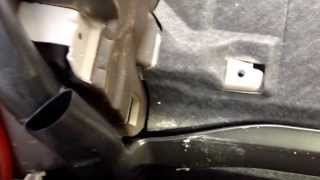
The PEM is a small silver box that controls the voltage sent to the fuel pump. In its original design, Volvo mounted this electronic module behind the passenger-side rear wheel well liner, directly in the path of road spray. 🎬 Watch: Locate and access the PEM on your XC90 Over time, water and salt cause the module's aluminum casing and electrical connector to corrode, leading to intermittent or complete failure.
Diagnosis:
- Safely jack up the rear passenger side and remove the wheel.
- Remove the plastic nuts (usually 10mm) holding the wheel well liner and peel it back.
- Locate the silver PEM module. Unplug its electrical connector and inspect both the module's pins and the harness connector for any signs of white, green, or chalky corrosion. If significant corrosion is present, the PEM is almost certainly the problem. 🎬 Watch: How to test the fuel pump module and power
Pro Tip: Many owners have successfully (and temporarily) restored function by opening the PEM, cleaning the circuit board and connectors with electrical contact cleaner, and reassembling. However, the permanent fix is replacement and relocation.
A revised service procedure involves using a wiring harness extension to relocate the new PEM to a dry location inside the vehicle, often near the spare tire well, to prevent future corrosion.
Known Issues, Recalls, and Compatibility Warnings
Recall: Fuel Pump Flange Cracking (NHTSA #09V483000)
Warning: Volvo issued a safety recall for 2003-2005 XC90s originally sold or registered in warm-weather states due to a defect where the fuel pump flange could develop cracks. These cracks can cause a fuel leak, creating a strong fuel smell and a significant fire risk.
The recall involved inspecting the fuel pump and replacing it if it was the defective version. The defective pumps have a black plastic flange. The updated, correct replacement pumps have a white or yellow flange. When buying a used part, you must verify it is not the recalled black-flange version.
Compatibility: The 2005 VIN Split
There was a mid-year change for the 2005 model year. It is critical to check your vehicle's chassis number (the last six digits of your VIN) before purchasing a part.
- For 2005 XC90 models: This fuel pump assembly fits vehicles with a chassis number of 167187 or higher.
- For 2006-2007 XC90 models: The same pump assembly fits all models within this range.
The later-style pump (part number 31261819 and its predecessors) fits all engine options (2.5L, 2.9L, 3.2L, and 4.4L) from the VIN split in 2005 through 2014.
Buying a Used Fuel Pump Assembly
A recycled OEM fuel pump assembly can be a reliable and cost-effective alternative to an expensive new unit. However, you must perform careful checks to ensure you get a good part.
- Verify Compatibility: Double-check the VIN split for 2005 models. Ensure the part is from a 2005 (with VIN 167187 or higher), 2006, or 2007 XC90.
- Inspect the Flange: DO NOT buy a pump with a black plastic top flange. This is the version recalled for cracking and leaking fuel. Look for the updated white or yellow flange.
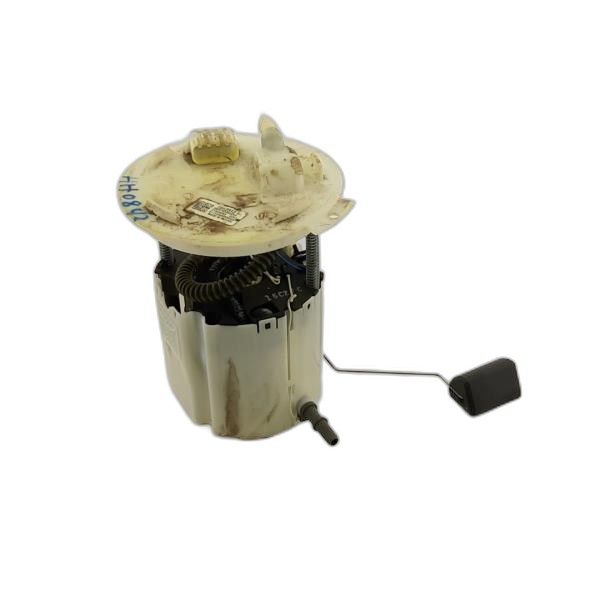
- Buy the Complete Assembly: Always purchase the complete module, which includes the pump, housing, and fuel level sending unit. Do not buy just the pump motor, as swapping it requires disassembling the plastic module, which can be difficult and may lead to leaks if not done perfectly.
- Check the Electrical Connector: Inspect the pins on the top of the pump for any signs of corrosion, melting, or heat damage. This can indicate a poor connection or a failing pump motor that was drawing too much current.
- Consider Mileage: While fuel pumps don't have a set lifespan, one from a lower-mileage vehicle is generally a safer bet. Ask the seller for the mileage of the donor vehicle if possible.
- OEM vs. Aftermarket: A used OEM (Original Equipment Manufacturer) pump is often a better choice than a cheap new aftermarket unit. OEM parts are designed for a perfect fit, especially with the complex hose routing in the XC90's saddle tank. Cheap aftermarket pumps are notorious for premature failure and incorrect fuel level readings.
Cost Comparison
Prices for a complete fuel pump assembly can vary significantly. Always diagnose the PEM first to avoid replacing a perfectly good pump.
| Part Type | Estimated Price Range |
|---|---|
| New OEM | $700 - $980 |
| New Aftermarket (Name Brand) | $250 - $450 |
| New Aftermarket (Value) | $80 - $200 |
| Used OEM | $75 - $250 |
| Shop Labor | $375 - $550 |
Replacement Overview
Replacing the fuel pump on a 2005-2007 XC90 is a labor-intensive job. It does not require dropping the fuel tank, but it does require significant interior disassembly.
- Difficulty: 4 out of 5
- Estimated Time: 2-3 hours
- DIY Feasible: Yes, for experienced mechanics with the right tools.
Basic Steps:
- Disconnect the negative battery terminal.
- Remove the second-row seats. This involves unbolting them from the floor (typically 13mm bolts). If you have third-row seats, they may need to be removed as well.
- Pull back the carpet and sound-deadening material to expose the two metal access panels in the floor. The fuel pump is under the passenger-side panel, and the fuel level sender is under the driver-sde panel.
- Remove the 10mm nuts holding the access panels. The torque for these is 6 Nm upon reinstallation.
- Thoroughly clean the area around the pump and sender to prevent dirt from falling into the tank.
- Disconnect the fuel lines and electrical connectors.
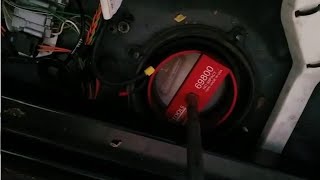
- Use a special fuel tank lock ring tool to unscrew the large plastic rings holding the pump and sender in place. Using a hammer and screwdriver is not recommended as it can easily break the rings.
- The pump and sender are connected by a hose and wire that run over the 'saddle' in the tank. When removing the old pump, tie a guide wire to the sender-side connector before pulling it through, so you can easily pull the new one back across. 🎬 See this step-by-step fuel pump replacement walkthrough
- Installation is the reverse of removal. Be sure to install new rubber O-ring seals under the lock rings to prevent leaks.
Frequently Asked Questions (FAQ)
Do I have to replace both the pump and the sending unit?
The main fuel pump and the secondary sending unit are sold as a single, connected assembly. You must remove both access covers to feed the connecting hose and wire from the driver's side to the passenger's side of the tank. Therefore, you will be replacing both components as one unit.
My car won't start. How do I know for sure it's the fuel pump?
First, check the Fuel Pump Electronic Module (PEM) for corrosion as described above. If the PEM looks good, the next step is to check for fuel pressure at the fuel rail on the engine. If you turn the key to the 'on' position, you should hear the pump hum for a second or two. If you hear nothing and have confirmed the PEM is okay, you can test for 12V power at the pump's electrical connector. No power points to an electrical issue (fuse, relay, PEM), while power but no pump function points to a failed pump.
Can I drive with a failing fuel pump?
It is not recommended. A failing fuel pump can cause the engine to stall at any time, including in the middle of an intersection or on the highway. This creates a serious safety hazard as you will lose power steering and power brakes. If you are experiencing symptoms, you should have the vehicle serviced as soon as possible.
What is the VIN split for the 2005 XC90 fuel pump?
For the 2005 model year, the updated fuel pump assembly (part #31261819 and its equivalents) fits vehicles with a chassis number (the last 6 digits of the VIN) of 167187 or higher. If your 2005 XC90 has a lower chassis number, you will need a different part.
Helpful Videos

Technical Specifications
OEM Part Numbers: 31261819 30792861 30792449 30761744 30741994 31273510 31261130
Complete in-tank fuel pump module assembly for saddle-style tank. Includes pump, housing, level sending unit, and integrated filter. Operates on 12V system.
We Have This Part in Stock



The information in this article is provided for general reference and educational purposes only. Vehicle specifications, procedures, and part compatibility can vary by production date, trim level, and region. Always consult your vehicle's factory service manual and verify part numbers before purchasing or performing repairs. Safety-critical components such as airbags, seat belts, and braking systems should be installed by a qualified professional.
- Volvo XC90:
- 🎬 Helpful Videos
- 🛍️ Shop This Part
- Symptoms of a Failing Fuel Pump
- Critical Diagnosis: Is It the Fuel Pump or the PEM?
- The Fuel Pump Electronic Module (PEM) Issue
- Known Issues, Recalls, and Compatibility Warnings
- Recall: Fuel Pump Flange Cracking (NHTSA #09V483000)
- Compatibility: The 2005 VIN Split
- Buying a Used Fuel Pump Assembly
- Cost Comparison
- Replacement Overview
- Frequently Asked Questions (FAQ)
- 🎟️ Get 5% Off