

2012-2017 Prius V Fuel Pump: Stalling Problems, Recalls, and Replacement Guide
This guide covers the critical fuel pump safety recall, common failure symptoms, and how to choose the right replacement pump for your 2012-2017 Toyota Prius V wagon.
- A major safety recall (NHTSA 20V-012) affects this fuel pump; engine stalling is the primary symptom and risk.
- This part fits ONLY the Prius V (wagon). It does not fit the standard Prius, Prius C, or Prius Prime.
- When buying a used pump, it is critical to verify it is a post-recall replacement part or from a donor vehicle unaffected by the recall.
- Replacement is a moderately difficult DIY job, but requires strict safety precautions, including disconnecting the high-voltage hybrid battery.
Symptoms of a Failing Prius V Fuel Pump


A failing fuel pump can cause a range of problems, from annoying to dangerous. The most critical symptom is the engine stalling while driving, which was the focus of a major safety recall. Here are the most common signs that your Prius V's fuel pump may be in trouble:
- Engine Stalls While Driving: This is the most serious symptom. The engine may shut off unexpectedly, sometimes at high speeds. While power steering and brakes should remain functional, a stall can significantly increase the risk of a crash.
- Engine Sputtering or Hesitation: You might feel the vehicle jerk, sputter, or hesitate when you accelerate. This often happens because the pump is struggling to supply the increased amount of fuel the engine needs.
- Loss of Power: The car may feel sluggish, especially when going uphill or carrying a heavy load. The engine isn't receiving enough fuel to produce full power.
- Difficulty Starting or No-Start: The engine may crank for a long time before starting, or it may not start at all. This happens when the pump can't build enough pressure to get fuel to the engine for combustion.
- Rough Idle: The engine may shake or vibrate while idling because of an inconsistent fuel supply.
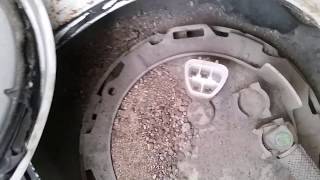
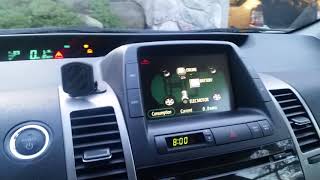
- Whining Noise from Fuel Tank: 🎬 Watch: Diagnosing an intermittent fuel pump failure A loud whining or buzzing sound from the rear of the car (where the fuel tank is located) can be a sign of a worn-out fuel pump motor.
- Check Engine Light: Various fault codes can be triggered by low fuel pressure. While many issues can turn on the check engine light, it may illuminate in conjunction with the symptoms above.
Major Fuel Pump Safety Recall (NHTSA 20V-012)

Warning: A massive safety recall was issued for millions of Toyota vehicles, including certain Prius models, for faulty fuel pumps that can cause the engine to stall. This is a critical safety issue.
Toyota identified that the low-pressure fuel pump, manufactured by Denso, could fail. The issue was traced to an impeller inside the pump that could absorb too much fuel, deform, and stop spinning. This stops the flow of fuel to the engine, causing it to stall, sometimes at high speed.
This recall, known as Toyota campaign 20LA01 or 20TA02 and NHTSA campaign 20V-012, led to dealers replacing the defective fuel pump assembly with an improved version, free of charge. You can check if your specific vehicle is affected by entering your Vehicle Identification Number (VIN) on the Toyota or NHTSA recall websites.
Pro Tip: There was a separate recall for the 2014-2017 Prius V involving the hybrid inverter (NHTSA 20V369000), which could also cause stalling. If you experience stalling, it's important to verify that both the fuel pump and inverter recalls have been addressed for your vehicle.
Buying a Used 2012-2017 Prius V Fuel Pump
A used OEM fuel pump can be a reliable and cost-effective alternative to an expensive new unit, especially when compared to lower-quality aftermarket options. However, due to the safety recall, extra caution is required.
1. Verify Compatibility Above All Else
This fuel pump assembly is only for the Prius V (wagon) model. It will not fit the standard Prius, Prius C, or Prius Prime. The VIN is the best way to confirm fitment; the 7th and 8th digits should be 'EU' or 'FU'. Always double-check the part number of the unit you are buying against the required OEM numbers.
2. CRITICAL: Check Recall Status
Do not purchase a used fuel pump that is the original, recalled part. You are simply buying the same defect that could leave you stranded. A trustworthy seller of recycled parts should be able to verify that the part is a post-recall replacement unit or from a vehicle not included in the recall. Ask for the VIN of the donor vehicle so you can check its recall history yourself on the NHTSA website.
3. Physical Inspection Checklist
- Electrical Connector: Check the pins for any signs of corrosion, melting, or heat damage.
- Housing: Inspect the plastic housing for any cracks or damage, especially around the hose connections.
- Fuel Level Sender: Ensure the float arm moves freely and isn't bent or damaged. A damaged arm will cause an incorrect fuel gauge reading. 🎬 Watch: How the fuel pump sending unit works
- Cleanliness: The unit should be reasonably clean. Heavy dirt or rust on the exterior may suggest it came from a poorly maintained or damaged vehicle.
Replacement Overview & Difficulty

Replacing the fuel pump on a Prius V is a moderately difficult job that a skilled DIY mechanic can perform. Access to the pump is under the rear passenger seat.
- Difficulty Rating: 3 out of 5
- Estimated Time: 1.5 - 2.5 hours
- DIY Feasible: Yes, for those comfortable with fuel system and hybrid safety procedures.
Safety First: Before starting, you MUST disconnect the 12-volt auxiliary battery and the high-voltage hybrid battery service plug. Working with the fuel system carries a fire risk, so work in a well-ventilated area and have a fire extinguisher nearby. Relieve fuel pressure before disconnecting lines.
The main challenge is removing the lock ring that secures the pump to the tank. While it can sometimes be tapped loose with a hammer and a brass punch or flathead screwdriver, a dedicated fuel pump lock ring tool makes the job much easier and safer, reducing the risk of damaging the plastic ring or tank.
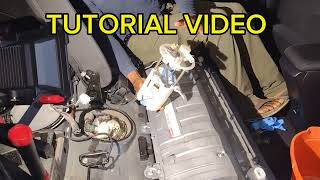
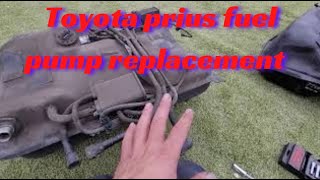
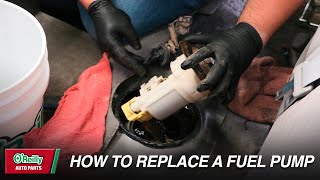
🎬 See this step-by-step fuel pump replacement walkthroughCost Comparison
Prices can vary significantly based on supplier and location. These are typical estimates.
| Part Type | Estimated Cost |
|---|---|
| New OEM (Dealer) | $440 - $670 |
| New Aftermarket | $290 - $830 (Varies by brand like Delphi, Airtex) |
| Used OEM (Recycled) | $75 - $200 |
| Shop Labor Cost | $140 - $315 |
Technical Specifications & Part Numbers
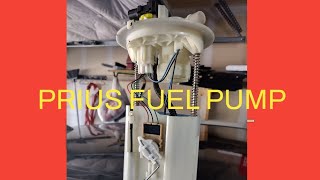
The fuel pump assembly includes the pump motor, fuel level sending unit (float), and strainer, all in one module.
| Specification | Value |
|---|---|
| OEM Part Numbers | 77020-47110 (superseded by 77020-47111) |
| Common Aftermarket Part Numbers | E9181M (Airtex), FG1639 (Delphi) |
| Location | In-tank, accessible from under the rear seat |
Frequently Asked Questions (FAQ)
Is it safe to drive with a failing fuel pump?
No. A failing fuel pump can cause the engine to stall at any time, including at high speeds, which is a significant safety hazard. If you suspect your fuel pump is failing, you should have the vehicle inspected and repaired as soon as possible.
How do I check if my Prius V was part of the fuel pump recall?
You can check for open recalls by entering your 17-digit Vehicle Identification Number (VIN) on the official Toyota recall website (Toyota.com/recall) or the National Highway Traffic Safety Administration (NHTSA) website (nhtsa.gov/recalls).
Can I just replace the small pump motor instead of the whole assembly?
While some DIYers attempt to replace only the internal pump motor to save money, it is generally not recommended. The assembly is sold as a complete, sealed unit for a reason. Replacing only the motor can be complex, and you risk damaging the housing or introducing a leak. Furthermore, you would be reusing the old fuel level sender and strainer, which could also be near the end of their service life.
Do I need to replace the fuel filter at the same time?
The primary fuel filter, or strainer, is an integrated part of the fuel pump module assembly. When you replace the entire assembly with a new or used OEM unit, a new strainer is already included. There is no separate, inline fuel filter to replace on this vehicle.
Helpful Videos

Technical Specifications
OEM Part Numbers: 77020-47110 77020-47111
In-tank fuel pump module assembly with integrated fuel sending unit and strainer.
We Have This Part in Stock


The information in this article is provided for general reference and educational purposes only. Vehicle specifications, procedures, and part compatibility can vary by production date, trim level, and region. Always consult your vehicle's factory service manual and verify part numbers before purchasing or performing repairs. Safety-critical components such as airbags, seat belts, and braking systems should be installed by a qualified professional.
- Toyota Prius V:
- 🎬 Helpful Videos
- 🛍️ Shop This Part
- Symptoms of a Failing Prius V Fuel Pump
- Major Fuel Pump Safety Recall (NHTSA 20V-012)
- Buying a Used 2012-2017 Prius V Fuel Pump
- 1. Verify Compatibility Above All Else
- 2. CRITICAL: Check Recall Status
- 3. Physical Inspection Checklist
- Replacement Overview & Difficulty
- Cost Comparison
- Technical Specifications & Part Numbers
- Frequently Asked Questions (FAQ)
- 🎟️ Get 5% Off