

2012-2019 Toyota Prius C Fuel Pump: Stalling Problems, Recalls, and Replacement Costs
This guide covers the common failure symptoms, recall information, and critical compatibility checks for the 2012-2019 Toyota Prius C fuel pump assembly.
- A failing fuel pump is a known issue; check your VIN for recall or customer support program status with Toyota.
- The most critical symptoms are engine stalling and a no-start condition, which are significant safety hazards.
- Compatibility is key: Before buying, verify the 7th and 8th digits of your VIN are 'B3'.
- Replacing the complete used OEM assembly is often a better value and more reliable repair than a new aftermarket pump or replacing just the motor.
Known Issues, Recalls, and Service Campaigns
In 2020, Toyota issued a massive safety recall (NHTSA Campaign 20V-012) for millions of vehicles equipped with a faulty Denso fuel pump that could stop operating. If the pump fails, the engine can stall while driving, increasing the risk of a crash.
While the 2012-2019 Prius C was not on the initial safety recall list, Toyota's report to NHTSA noted that some hybrid models used the same potentially faulty pumps. For these hybrids, Toyota stated that a pump failure would trigger a fail-safe mode, allowing the car to be driven for a short distance with reduced power, and planned to address this with a "customer satisfaction campaign" rather than a formal safety recall. It is crucial for owners to check with a Toyota dealer or use Toyota's official recall lookup website with their VIN to see if their specific vehicle is covered under this campaign or any other relevant action.
Separately, some 2019 Prius C models were recalled for a faulty DC-DC converter that could also cause a loss of driving power, a symptom that could be mistaken for a fuel pump issue.
Symptoms of a Failing Fuel Pump
A failing fuel pump in a Prius C will cause noticeable engine performance problems. Here are the most common signs, often starting intermittently before the pump fails completely:
- Engine Stalling: The car may stall unexpectedly, either at idle or while driving. This is the most serious symptom.
- Difficulty Starting or No Start: The engine may crank for a long time before starting, or it may not start at all. You might hear the engine turn over but never fire up.
- Hesitation Under Acceleration: The car may stutter or feel like it's losing power when you press the gas pedal, especially when going uphill or carrying a heavy load.
- Whining Noise from the Rear: A distinct, high-pitched whining or humming sound from the fuel tank area (under the rear seat) is a classic sign of a fuel pump motor working too hard and nearing failure.
- Check Engine Light: A failing pump can cause a lean fuel condition, triggering diagnostic trouble codes. Common codes include P3190 🎬 Watch how to diagnose a lean-running Prius C engine. (Poor Engine Power / Engine Failed to Start) and P0171 (System Too Lean).
- Inaccurate Fuel Gauge: In some cases, a problem with the fuel sender unit, which is part of the pump assembly, can cause the fuel gauge to read incorrectly or get stuck.
Warning: A failing fuel pump can cause the vehicle to stall at any time, including at high speeds. This is a significant safety risk. If you experience stalling or severe hesitation, it is not safe to drive the vehicle.
Buying a Used Fuel Pump Assembly: What to Check
A recycled OEM fuel pump assembly can be a cost-effective and reliable alternative to an expensive new part. Because this is a complete module including the pump, filter, and fuel level sender, buying a quality used OEM unit is often better than a cheap new aftermarket pump of questionable quality. Here’s what to look for:
- The VIN 'B3' Compatibility Check: It is critical to verify that the 7th and 8th digits of your vehicle's VIN are 'B3'. This specific fuel pump assembly is designed for Prius C models with this VIN sequence and will not fit other versions. Always confirm this before purchasing.
- Verify Part Numbers: Match the OEM part number from your original pump to the used part. Known compatible part numbers for the complete assembly include 77020-52450, 77020-52451, 23220-21210, and 23220-21211. The 77020- numbers typically refer to the full assembly, while the 23220- numbers may refer to the pump motor itself. It's best to replace the entire assembly.
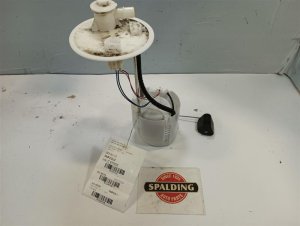
- Inspect the Electrical Connector: Look closely at the electrical connector on top of the assembly. Ensure the pins are straight, clean, and show no signs of melting, corrosion, or heat damage. A damaged connector suggests an electrical problem that may have caused the original pump to fail.
- Check the Assembly for Damage: Inspect the plastic housing for any cracks or damage that may have occurred during removal or storage. Ensure the fuel line ports are intact and not broken.
- Ask About the Donor Vehicle: Inquire about the mileage of the vehicle the part came from. A pump from a lower-mileage vehicle is always preferable. Also, ask if the seller knows if the donor vehicle had the fuel pump recall service performed.
Cost Comparison
Prices for a 2012-2019 Toyota Prius C fuel pump can vary significantly based on the source and type of part.
| Part Type | Estimated Price Range |
|---|---|
| New OEM (Dealer) | $1100 - $1400 |
| New OEM (Online) | $350 - $450 |
| New Aftermarket | $250 - $800+ |
| Used OEM (Recycled) | $75 - $200 |
| Shop Labor | $140 - $270 |
Replacement Overview & Difficulty
Replacing the fuel pump assembly is a moderately difficult job that a skilled DIY mechanic can perform. The main challenges are safely working with gasoline and removing the pump's lock ring without the special tool.
- Difficulty: 3 out of 5
- Estimated Time: 1.5 - 2.5 hours
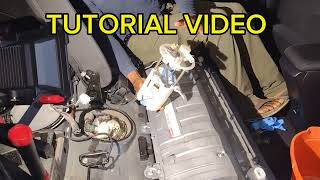
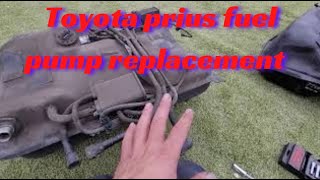
- Procedure: The pump is accessed from inside the car. The process involves disconnecting the 12V battery, removing the rear seat bottom cushion, and opening a metal service cover on the floor. After relieving fuel pressure, the fuel lines and electrical harness are disconnected from the top of the pump assembly. A large lock ring holds the pump in the tank; a special tool is ideal, but it can often be carefully tapped loose with a hammer and a brass punch 🎬 See how to remove the fuel pump lock ring. or flat-head screwdriver. The old assembly is then lifted out, and the new one is installed by reversing the steps. 🎬 Watch this step-by-step fuel pump assembly replacement video.
Pro Tip: It is highly recommended to perform this job when the fuel tank is less than 1/4 full to minimize fuel spillage and fumes. Always work in a well-ventilated area and have a fire extinguisher nearby.
Frequently Asked Questions (FAQ)
Is my 2014 Prius C part of the big Toyota fuel pump recall?
While the Prius C was not part of the initial safety recall that covered many other Toyota models, it may be included in a related Customer Support Program for the same issue. The only way to know for sure is to enter your vehicle's 17-digit VIN on the official Toyota recall website or the NHTSA website.
What does the 'VIN B3' warning mean?
This refers to the 7th and 8th digits of your car's Vehicle Identification Number (VIN). For the 2012-2019 Prius C, there were variations in parts based on the vehicle's specific production details. This fuel pump assembly is only guaranteed to fit models where these two digits are 'B3'. Checking this before you buy is a critical step to ensure compatibility.
Can I just replace the small pump motor instead of the whole assembly?
While it is sometimes possible to buy just the pump motor and install it into your existing assembly, it is not recommended. The assembly contains an integrated fuel filter that gets clogged over time, and the fuel level sender can also fail. Replacing the complete, low-mileage used OEM assembly is a more reliable and often simpler repair.
Why does my Prius C stall even though the gas tank is full?
A full tank of gas doesn't help if the fuel pump cannot deliver it to the engine. The pump motor itself can fail electrically or mechanically, regardless of the fuel level. In fact, consistently running the tank very low can cause the pump to overheat and fail prematurely, as it relies on the surrounding gasoline for cooling.
Helpful Videos

Technical Specifications
OEM Part Numbers: 23220-21210 23220-21211 77020-52450 77020-52451
In-tank fuel pump and sender assembly. Access under rear seat. Requires VIN digits 7 and 8 to be 'B3' for compatibility.
We Have This Part in Stock

The information in this article is provided for general reference and educational purposes only. Vehicle specifications, procedures, and part compatibility can vary by production date, trim level, and region. Always consult your vehicle's factory service manual and verify part numbers before purchasing or performing repairs. Safety-critical components such as airbags, seat belts, and braking systems should be installed by a qualified professional.
- Toyota Prius C: