

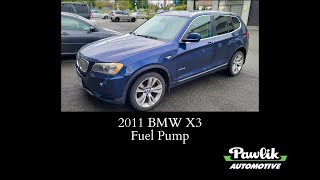
2011-2012 BMW X3 xDrive28i Fuel Pump: Solving Stalls and Fuel Gauge Errors
This guide covers common failure symptoms, diagnosis, and replacement for the in-tank fuel pump and sender assembly on the 2011-2012 BMW X3 with the 3.0L engine.
- This fuel pump assembly is ONLY for the 2011-2012 BMW X3 xDrive28i with the 3.0L N52 engine.
- Common failure symptoms include engine stalling, long crank times, and an inaccurate fuel gauge.
- A special lock ring tool is required for replacement to avoid damaging the fuel tank and ensure a proper seal.
- When buying a used unit, the most important check is to inspect the electrical connector for any signs of melting or heat damage.
Vehicle Compatibility Warning
Critical Fitment Information: This fuel pump sender assembly is specifically for the 2011-2012 BMW X3 xDrive28i equipped with the naturally aspirated 3.0L 6-cylinder N52 engine. It will NOT fit the turbocharged xDrive35i models, which use a different fuel system. It also will NOT fit 2013 or newer xDrive28i models, as they are equipped with a 2.0L 4-cylinder N20 engine that uses a different pump.
Symptoms of a Failing Fuel Pump Assembly
A failing fuel pump can cause a range of issues, from annoying to dangerous. Because this part also contains the fuel level sender, you may experience symptoms related to either function.
- Engine Cranks but Fails to Start: The most common symptom of a completely failed pump. You'll hear the starter turning the engine over, but it won't fire up because it's not receiving fuel.
- Engine Stalling: The vehicle may start and run, but then stall unexpectedly, often after it has warmed up or while driving. This can be a serious safety hazard, especially in traffic.
- Long Crank Times: The engine takes longer than usual to start because the pump is weak and takes a few extra seconds to build adequate fuel pressure.
- Hesitation or Sputtering Under Acceleration: When you press the gas, the car may hesitate, sputter, or feel like it's losing power. This happens because the weak pump can't supply the extra fuel demanded by the engine.
- Inaccurate or Erratic Fuel Gauge: The fuel gauge may read empty when the tank is full, full when it's empty, or jump around randomly. This points to a failure of the sender unit portion of the assembly.
- Loud Whining Noise: A noticeable, high-pitched whining or buzzing sound from the rear seat area is a classic sign of a fuel pump motor that is wearing out and working too hard.
- Check Engine Light: While many issues can trigger a Check Engine Light, low fuel pressure can cause codes like P0087 (Fuel Rail/System Pressure - Too Low) or lean condition codes (P0171, P0174).
Known Issues, Recalls, and Technical Service Bulletins (TSBs)
While no recalls specifically target the fuel pump assembly on the 2011-2012 X3 xDrive28i, BMW has issued recalls for similar fuel pump issues on other models from the same era. A notable recall (NHTSA Campaign ID: 16V-XXX, referenced as B160416) affected various 2007-2012 BMW models due to improperly crimped wire contacts on the in-tank fuel pump, which could cause the connector to melt, leading to a fuel leak or engine stall. While the F25 X3 was not explicitly on every version of this recall list, the failure mode (a melted connector) is something to be aware of.
Additionally, a TSB (SI B16 06 15) was issued for some F25 X3 models with diesel engines regarding fuel tank deformation from inadequate venting, which required replacement of the tank and pump assembly. This is not directly applicable to the gasoline xDrive28i but highlights the integrated nature of the fuel system components.
Buying a Used Fuel Pump Sender Assembly: What to Check
A quality, low-mileage used OEM fuel pump assembly can be a smart, cost-effective alternative to expensive new parts. The original parts made by VDO/Siemens for BMW are generally robust. Here’s what to look for when buying a recycled part:
- Verify Part Numbers: Double-check that the part number on the unit matches one of the known compatible numbers: 16117285442, 16117285443, 16117314803, or 16117314804.
- Inspect the Electrical Connector: This is the most critical inspection point. Look closely at the plastic around the electrical pins on top of the assembly. Any signs of melting, browning, or charring indicate the pump was overheating and failing, likely due to high electrical resistance. Do not buy a pump with a damaged connector.
- Check the Plastic Housing: Examine the white plastic top flange for any cracks, especially around the hose nipples and the outer edge. The plastic can become brittle with age.
- Confirm the Float Arm is Intact: Ensure the metal rod and plastic float for the fuel level sender are attached and move freely. If this is broken, your fuel gauge will not work.
- Ask for Donor Vehicle Mileage: A pump from a vehicle with under 100,000 miles is ideal. Fuel pumps have a finite lifespan, so lower mileage is always better.
- Examine the Fuel Strainer: Look at the small filter sock at the bottom of the pump. If it is dark brown or black, it suggests the pump was in a tank with significant sediment or contamination, which can shorten the pump's life.
Replacement Overview
Replacing the fuel pump is a moderately difficult job that a skilled DIYer can perform. The primary challenges are working with gasoline safely and needing a special tool.
Safety Warning: You are working with raw gasoline. Disconnect the vehicle's battery, work in a well-ventilated area (ideally outdoors), and have a fire extinguisher rated for gasoline (Class B) nearby. Do not create any sparks, use open flames, or smoke.
- Difficulty: 3 out of 5
- Estimated Time: 1.5 - 2.5 hours
- Location: The pump is located inside the fuel tank, accessible via a service opening under the rear passenger-side seat cushion.
- Special Tools: A fuel tank lock ring tool (such as BMW special tool 16 1 190) is required to safely remove and properly tighten the large black plastic ring that holds the pump in place. Using a hammer and screwdriver is strongly discouraged as it can damage the ring, leading to a poor seal, or create a spark.
Abbreviated Steps:
- Run the fuel tank down to 1/4 full or less to minimize spills.
- Disconnect the negative battery terminal.
- Remove the rear seat bottom cushion by pulling up sharply on the front edge.
- Peel back the sound insulation and remove the metal service cover (held by 10mm nuts).
- Disconnect the electrical connector and the fuel line from the top of the pump assembly. Have rags ready to catch a small amount of spilled fuel.
- Use the special lock ring tool to turn the black plastic ring counter-clockwise and remove it.
- Carefully lift the pump assembly out of the tank, tilting it to avoid snagging the float arm.
Pro Tip: Always install a new rubber sealing gasket with the replacement pump. Re-using the old gasket can cause dangerous fuel leaks and EVAP system codes.
- Installation is the reverse of removal. 🎬 Watch this step-by-step fuel pump replacement video. Ensure the lock ring is fully tightened to create a vapor-tight seal.
| Part Type | Estimated Price Range |
|---|---|
| New Genuine BMW | $480 - $600 |
| New OEM Aftermarket (e.g., Delphi) | $200 - $510 |
| Used OEM | $75 - $200 |
| Shop Labor | $270 - $400 |
Frequently Asked Questions (FAQ)
Do I need to replace the fuel filter at the same time?
It's highly recommended. On the F25 X3, the main fuel filter is part of the fuel pressure regulator assembly, which is located on the left side of the fuel tank under a separate access cover. Replacing both the pump and the filter/regulator unit at the same time is good practice, especially on higher-mileage vehicles.
What is the difference between the xDrive28i and xDrive35i fuel pump?
The 2011-2012 xDrive28i uses a single, in-tank low-pressure fuel pump (LPFP) discussed in this article. The turbocharged xDrive35i has a more complex system that uses both an LPFP in the tank and a high-pressure fuel pump (HPFP) mounted on the engine to achieve the very high pressures needed for direct injection. The parts are not interchangeable.
Can I just replace the small pump motor instead of the whole assembly?
While it is sometimes possible to buy just the internal motor and install it into the plastic housing, it is a much more complex job. It requires carefully disassembling the plastic module without breaking it and ensuring all internal connections are secure. For most DIY mechanics and professionals, replacing the entire assembly is faster, more reliable, and prevents potential issues with old or brittle plastic components.
My car runs fine but the fuel gauge is wrong. Is this the right part to fix it?
Yes, most likely. An incorrect fuel gauge reading is a classic symptom of a failed fuel level sender. Since the sender is integrated into this right-side fuel pump assembly, replacing the entire unit is the standard repair for this problem.
Helpful Videos
Technical Specifications
OEM Part Numbers: 16117285442 16117285443 16117314803 16117314804
Fits right (passenger) side of fuel tank. Includes low-pressure fuel pump motor and primary fuel level sender. For use with N52 3.0L 6-cylinder engine.
We Have This Part in Stock


The information in this article is provided for general reference and educational purposes only. Vehicle specifications, procedures, and part compatibility can vary by production date, trim level, and region. Always consult your vehicle's factory service manual and verify part numbers before purchasing or performing repairs. Safety-critical components such as airbags, seat belts, and braking systems should be installed by a qualified professional.
- BMW X3:
- 🎬 Helpful Videos
- 🛍️ Shop This Part
- Vehicle Compatibility Warning
- Symptoms of a Failing Fuel Pump Assembly
- Known Issues, Recalls, and Technical Service Bulletins (TSBs)
- Buying a Used Fuel Pump Sender Assembly: What to Check
- Replacement Overview
- Abbreviated Steps:
- Frequently Asked Questions (FAQ)
- 🎟️ Get 5% Off