

2011-2024 Ram 2500 & 3500 Fuel Pump Guide: Fitment, Recalls, and Replacement
This guide covers the common failure symptoms, critical compatibility details, and known issues for the in-tank fuel pump on 2011-2024 Ram 2500 and 2012-2024 Ram 3500 trucks.
- Compatibility is critical and depends on engine type (gas/diesel) and fuel tank size (28, 31, or 32-gallon). This pump does NOT fit 50-gallon tanks.
- On 2019-2020 Cummins models, a recalled high-pressure fuel pump (CP4) can fail and contaminate the entire fuel system, including this in-tank pump.
- Symptoms of failure include engine stalling, difficulty starting, loss of power, and a distinct whining noise from the fuel tank area.
- Replacement is a difficult job, but it's often easier to lift the truck bed for access rather than dropping the heavy fuel tank.
Symptoms of a Failing Fuel Pump

A failing fuel pump in a Ram 2500 or 3500 will cause noticeable performance issues. Because the pump's job is to supply the engine with fuel, symptoms often get worse under load, such as when towing or accelerating.
1. Engine Stalling or Sputtering
One of the most common signs is the engine stalling unexpectedly while driving. This happens because the pump isn't providing a steady stream of fuel. The truck may also sputter or hesitate when you press the accelerator, especially when going uphill or towing.
2. Difficulty Starting or No Start
A weak fuel pump may struggle to build enough pressure to start the engine. You might find the engine cranks for longer than usual before it starts, or it may not start at all. This problem often gets progressively worse over time.
3. Whining Noise From the Fuel Tank
A loud whining or humming sound from the rear of the truck, near the fuel tank, is a classic sign of a struggling fuel pump motor. The pump is working harder than it should to move fuel, indicating internal wear.
4. Loss of Power
If your truck feels sluggish and lacks its usual power, a failing fuel pump could be the cause. The pump can't deliver the volume of fuel needed for full engine performance, leading to a feeling of weakness, especially under acceleration.
5. Check Engine Light
A failing fuel pump can trigger a check engine light. Common diagnostic trouble codes (DTCs) associated with fuel delivery issues include P0087 (Fuel Rail/System Pressure - Too Low) and P008A (Low Pressure Fuel System Pressure - Too Low).
Known Issues, Recalls, and Technical Service Bulletins (TSBs)


While the in-tank fuel pump (lift pump) is generally reliable, the fuel systems on these trucks, particularly the diesel models, have been subject to significant recalls.
Recall for High-Pressure Fuel Pump (HPFP) Failure on 2019-2020 Cummins Diesels
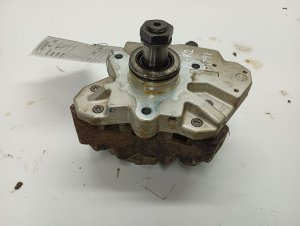
A major recall was issued for 2019-2020 Ram 2500 and 3500 trucks with the 6.7L Cummins engine due to failures of the Bosch CP4 high-pressure fuel pump. When the CP4 pump fails, it can send metal debris throughout the entire fuel system. This contamination destroys the fuel injectors, fuel lines, and can contaminate the in-tank lift pump. While the recall focuses on replacing the high-pressure pump, it is critical to inspect the in-tank pump for metal shavings if a CP4 failure is suspected. TSB 18-054-21 and its successor, recall Y78, address this issue.
TIPM and Electrical Issues
In some cases, a no-start condition that seems like a bad fuel pump can actually be caused by a faulty fuel pump relay inside the Totally Integrated Power Module (TIPM), or fuse box. This can cause an intermittent loss of power to the fuel pump. Some owners and shops utilize an external relay bypass as a fix for a faulty internal relay.
Buying a Used Fuel Pump: What to Check

A used OEM fuel pump can be a reliable and cost-effective alternative to a new part, especially when compared to cheaper aftermarket options which may not have the same durability. Here’s what to inspect before buying.
- Verify Compatibility: This is the most important step. The correct pump depends on your truck's engine (gas or diesel) and fuel tank size. This part fits gasoline models with a 31 or 32-gallon tank and diesel models with a 28, 31, or 32-gallon tank. It will NOT fit any truck with the optional 50-gallon tank. Always cross-reference the OEM part number with the donor vehicle's information.
- Inspect the Electrical Connector: Check the electrical pins and the plastic connector housing. Look for any signs of melting, charring, or corrosion. A damaged connector indicates an electrical issue that could have stressed the pump.
- Check for Physical Damage: Examine the plastic housing of the pump module for any cracks or damage that could have occurred during removal or storage. Ensure the fuel level float arm moves freely.
- Ask About the Donor Vehicle: Inquire about the mileage of the vehicle the pump came from. A pump from a lower-mileage truck is always preferable. For diesel trucks, ask if there is any history of a high-pressure fuel pump failure, as this could mean the used pump is contaminated with metal debris.
- Cleanliness of the Strainer: The mesh strainer (or 'sock') at the bottom of the pump should be reasonably clean. A strainer clogged with heavy debris or metal particles is a major red flag.
Replacement Information
Replacing the fuel pump on a Ram 2500 or 3500 is a significant job due to the need to access the top of the fuel tank.
Pro Tip: Most technicians prefer to remove the truck bed rather than drop the fuel tank. Lifting the bed provides wide-open access to the top of the tank, making it easier to disconnect lines and remove the pump's locking ring. Dropping a large, heavy fuel tank can be difficult and dangerous, especially if it's not empty.
- Difficulty: 4 out of 5
- DIY Feasible: Yes, for experienced mechanics with proper tools (e.g., engine hoist or several helpers to lift the bed).
- Procedure: The basic steps involve disconnecting the battery, relieving fuel system pressure, removing the truck bed bolts and filler neck, lifting the bed, disconnecting the fuel lines and electrical connector from the pump, removing the locking ring, and lifting the pump module out of the tank.
Warning: Always work in a well-ventilated area and take precautions against sparks when dealing with fuel systems. It is recommended to have a nearly empty tank to make the process safer and easier.
Cost Comparison
Prices can vary based on supplier and location. The following is an estimate of costs.
| Part Type | Estimated Cost |
|---|---|
| New OEM (Mopar) | $280 - $425 |
| New Aftermarket | $80 - $400 |
| Used OEM | $75 - $200 |
| Shop Labor | $230 - $415 |
Frequently Asked Questions (FAQ)
Is the fuel pump different for the Ram 2500 and Ram 3500?
No, the Ram 2500 and 3500 often use the same fuel pump module, provided the engine, model year, and fuel tank size are the same. Compatibility is determined by these factors, not the truck's payload capacity.
Do I have to drop the fuel tank to replace the pump?
While you can drop the fuel tank, the more common and often easier method is to unbolt and lift the truck's bed to gain access to the top of the fuel tank.
Can a bad in-tank lift pump damage the high-pressure pump on my Cummins?
Yes. The high-pressure injection pump relies on the in-tank lift pump to supply it with a steady volume of fuel for lubrication and cooling. Fuel starvation from a weak lift pump can cause excessive wear and premature failure of the expensive high-pressure pump.
What does this fuel pump NOT fit?
This specific range of part numbers does not fit trucks equipped with the optional 50-gallon fuel tank, which is sometimes available on Crew Cab models with an 8-foot bed. Always verify your tank size before ordering.
Technical Specifications
OEM Part Numbers: 05145571AA 05147185AA 5145571AA 5145571AB 68189069AB 68324965AA 68643794AC
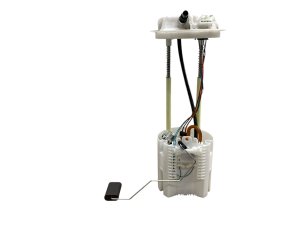
Electric in-tank fuel pump and sending unit module assembly.
We Have This Part in Stock




The information in this article is provided for general reference and educational purposes only. Vehicle specifications, procedures, and part compatibility can vary by production date, trim level, and region. Always consult your vehicle's factory service manual and verify part numbers before purchasing or performing repairs. Safety-critical components such as airbags, seat belts, and braking systems should be installed by a qualified professional.
- Ram 2500:
- Ram 3500:
- 🛍️ Shop This Part
- Symptoms of a Failing Fuel Pump
- 1. Engine Stalling or Sputtering
- 2. Difficulty Starting or No Start
- 3. Whining Noise From the Fuel Tank
- 4. Loss of Power
- 5. Check Engine Light
- Known Issues, Recalls, and Technical Service Bulletins (TSBs)
- Recall for High-Pressure Fuel Pump (HPFP) Failure on 2019-2020 Cummins Diesels
- TIPM and Electrical Issues
- Buying a Used Fuel Pump: What to Check
- Replacement Information
- Cost Comparison
- Frequently Asked Questions (FAQ)
- 🎟️ Get 5% Off