

2007-2012 Nissan Versa Fuel Pump: Stalling, No-Start, and Replacement Guide
Diagnose common failure symptoms like engine cranking but not starting, and learn how to choose a reliable used fuel pump for your first-generation Versa.
- The most common symptom of failure is the engine cranking but not starting.
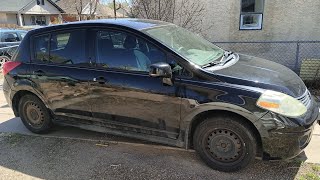
- For the 2012 model year, this part fits the Hatchback ONLY, not the redesigned Sedan.
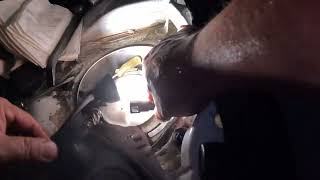
- Replacement is DIY-friendly thanks to an access panel under the rear seat; the fuel tank does not need to be dropped.
- Always replace the large O-ring tank seal when installing a new or used pump to prevent fuel leaks and fumes.
Symptoms of a Failing Fuel Pump
A failing fuel pump in a 2007-2012 Nissan Versa often gives warning signs before it completely quits. Recognizing these symptoms can prevent you from being stranded.
- Engine Cranks but Won't Start: This is the most definitive sign of a dead fuel pump. The engine turns over, but it never fires up because it's not receiving fuel. You might notice this happens intermittently at first before the pump fails completely.
- Extended Cranking Time: If your car takes several seconds longer than usual to start, the fuel pump may be losing its ability to hold pressure in the lines when the car is off.
- Engine Stalling, Especially When Hot: The vehicle may start and run fine for a while, but then stall unexpectedly in traffic or after it has warmed up. This can be caused by an overheating fuel pump motor that temporarily seizes.
- Hesitation or Loss of Power: When accelerating, going uphill, or carrying a heavy load, the car may sputter or feel weak. This happens because the weak pump can't supply the extra fuel the engine demands.
- Loud Whining Noise from the Rear Seat Area: A healthy fuel pump makes a quiet hum when you turn the key. A loud, high-pitched whine from the fuel tank area is a common sign that the pump motor is wearing out and working too hard.
- Blown Fuel Pump Fuse: In some cases, a failing fuel pump motor can draw too much electrical current, causing the fuse to blow. If you replace the fuse and it blows again, the pump is likely the culprit.
Known Issues, Recalls, and Compatibility Warnings
Important 2012 Model Year Distinction
Warning: The 2012 Nissan Versa was a split model year. This fuel pump guide applies only to the 2012 Versa Hatchback, which was a carryover of the first generation. It does NOT fit the completely redesigned 2012 Versa Sedan (N17 chassis), which uses a different fuel pump assembly.
Recalls and Technical Service Bulletins (TSBs)
While there have been no direct recalls for the fuel pump itself on the 2007-2012 Versa, there are related items to be aware of:
- Takata Airbag Recalls: A significant number of 2007-2012 Versa models were included in the massive Takata airbag inflator recalls. While not related to the fuel pump, it's critical to ensure this safety recall has been performed on any vehicle.
- Front Coil Spring Corrosion Recall: In states with road salt usage, a recall was issued for corroding front coil springs that could fracture (NHTSA Campaign: 15V573000).
- Fuel Gauge/Sending Unit TSBs: Nissan has issued TSBs for newer models regarding inaccurate fuel gauge readings (e.g., NTB22-026). While not specific to the 2007-2012 generation, issues with the sending unit (which is part of the fuel pump module) can occur, leading to an incorrect fuel level display.
Replacement Overview
Replacing the fuel pump on a first-generation Nissan Versa is a straightforward job for a DIY mechanic with basic tools. The most significant advantage is that the pump is accessible through a panel under the rear seat, so you do not need to drop the fuel tank.
Procedure at a Glance:
- Disconnect the negative battery terminal.
- Depressurize the fuel system by removing the fuel pump fuse and running the engine until it stalls.
- Remove the rear seat bottom cushion by pulling up firmly on the front edge.
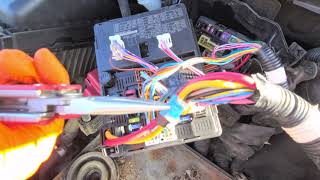
- Pry off the black metal access cover. 🎬 Watch: Locate the fuel pump fuse and access panel
- Disconnect the electrical connector and fuel lines.
- Unscrew the large plastic lock ring holding the pump in place. This is often the hardest part and may require a specialized tool or careful use of a brass punch and hammer.
- Carefully lift the old pump assembly out of the tank, taking care not to bend the fuel level float arm. 🎬 See this step-by-step fuel pump replacement walkthrough
- Installation is the reverse of removal. Always use a new tank seal/O-ring.
Pro Tip: Before installing the new or used pump, clean the area around the opening thoroughly to prevent dirt and debris from falling into the fuel tank.
Buying a Used Fuel Pump: What to Check
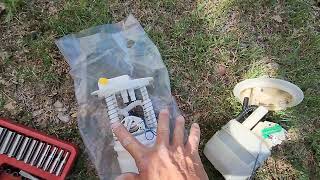
A low-mileage, used OEM fuel pump can be a reliable and cost-effective alternative to expensive new parts. Cheap aftermarket pumps often have lower quality motors and inaccurate fuel level sending units. Here’s what to inspect on a recycled OEM unit:
- Electrical Connector: Check the pins on the top of the pump for any signs of melting, browning, or corrosion. This indicates an electrical issue that could have damaged the pump.
- Float and Sending Unit: Ensure the float arm moves freely and isn't bent or damaged. This is crucial for an accurate fuel gauge reading.
- Housing Integrity: Inspect the plastic housing for any cracks, especially around the fuel line connections. A cracked housing can cause dangerous fuel leaks.
- Strainer Condition: Look at the strainer (the 'sock' at the bottom). While it's best practice to replace it, a very dark or debris-clogged strainer suggests the pump came from a tank with contaminated fuel.
- Verify Part Numbers: Match the part number on the used unit to the known compatible numbers for your vehicle to ensure proper fitment and function.
- Mileage and Source: If possible, choose a pump from a lower-mileage vehicle. Reputable recyclers often provide this information. Avoid pumps that have been sitting exposed to the elements, as moisture and dirt can ruin them.
Cost Comparison
| Part Type | Estimated Cost |
|---|---|
| New OEM | $410 - $660 |
| New Aftermarket | $80 - $300 |
| Used OEM | $50 - $125 |
| Shop Labor | $152 - $223 |
Frequently Asked Questions (FAQ)
Do I have to drop the fuel tank to replace the pump?
No. Fortunately, the 2007-2012 Nissan Versa has a service access panel under the rear seat bottom, which allows you to access and replace the fuel pump module without removing the entire fuel tank.
What is the difference between the fuel pump and the fuel pump module?
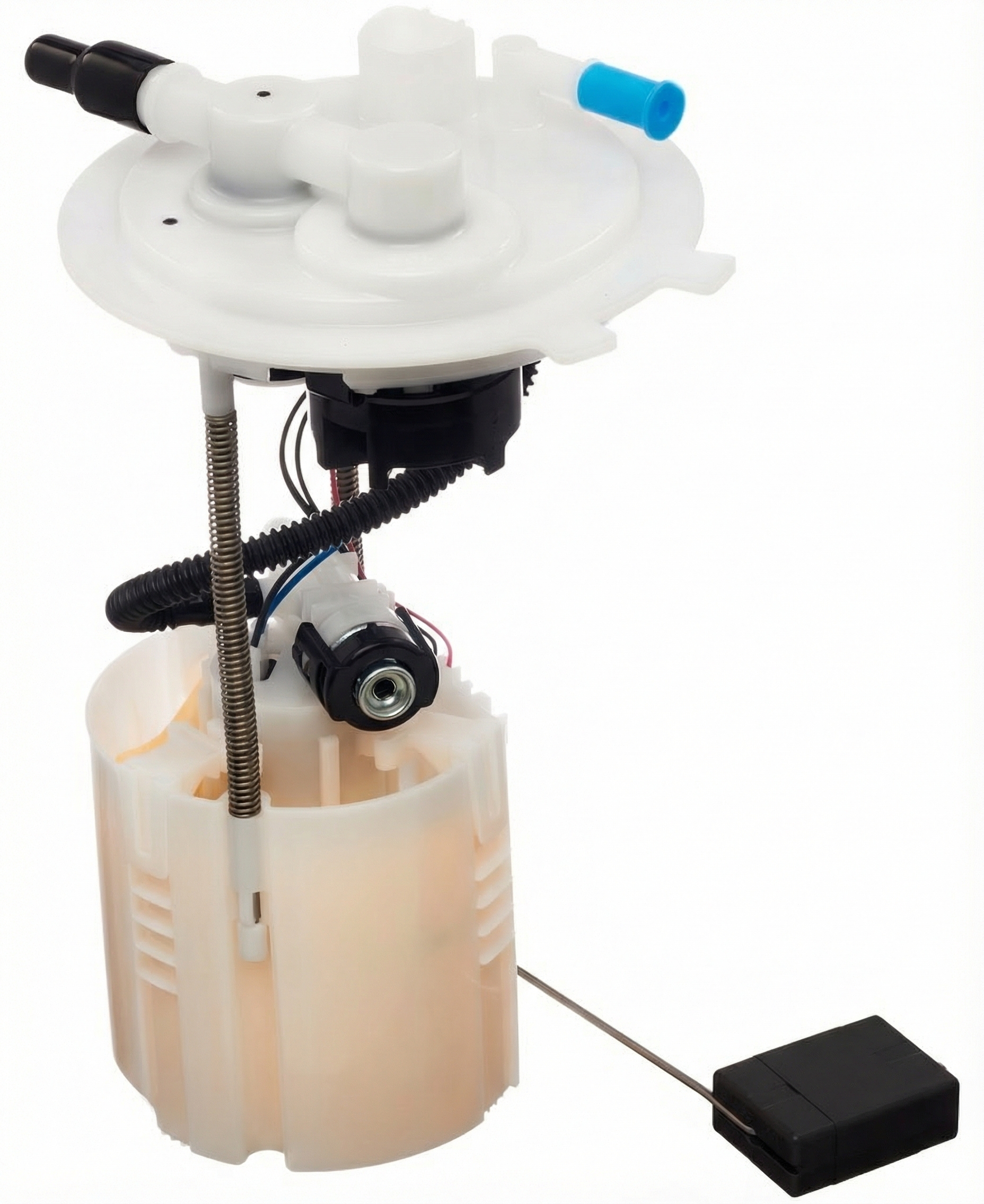
The fuel pump is just the electric motor itself. The fuel pump module (or assembly) is the complete unit that drops into the tank. It includes the pump motor, the housing, the fuel level sending unit (float), and the fuel strainer. For this vehicle, it is standard practice to replace the entire module.
My car cranks but won't start. Is it definitely the fuel pump?
While a bad fuel pump is a very common cause, other issues can create a crank-no-start condition. These include a bad crankshaft position sensor, a clogged fuel filter, a bad fuel pump relay, or an issue with the ignition system. Proper diagnosis, such as checking for fuel pressure at the engine, is recommended before replacing parts.
Why is my fuel gauge inaccurate after replacing the pump? 🎬 Watch: Diagnosing fuel pressure regulator and gauge issues
This is a common problem with cheap aftermarket fuel pump assemblies. The sending unit may not be calibrated correctly. It can also happen if the float arm was bent or damaged during installation. Using a quality OEM unit, even if used, often prevents this issue.
Is the fuel pump relay replaceable?
On many Nissan vehicles of this era, the fuel pump relay is integrated into the Intelligent Power Distribution Module (IPDM) and is not designed to be serviced separately. If the relay is confirmed to be the problem, the entire IPDM may need to be replaced.
Helpful Videos

Technical Specifications
OEM Part Numbers: 17040-9EG0C 17040-9EG0B 17040-EM30A 17040-EM31A 17040-ZR70B 17040-1FC0B
The complete assembly includes the in-tank electric fuel pump, fuel level sending unit, strainer, and housing. The fuel pump relay is typically integrated into the IPDM (Intelligent Power Distribution Module) and not serviced separately.
We Have This Part in Stock




The information in this article is provided for general reference and educational purposes only. Vehicle specifications, procedures, and part compatibility can vary by production date, trim level, and region. Always consult your vehicle's factory service manual and verify part numbers before purchasing or performing repairs. Safety-critical components such as airbags, seat belts, and braking systems should be installed by a qualified professional.
- Nissan Versa:
- NISSAN VERSA:
- 🎬 Helpful Videos
- 🛍️ Shop This Part
- Symptoms of a Failing Fuel Pump
- Known Issues, Recalls, and Compatibility Warnings
- Important 2012 Model Year Distinction
- Recalls and Technical Service Bulletins (TSBs)
- Replacement Overview
- Buying a Used Fuel Pump: What to Check
- Cost Comparison
- Frequently Asked Questions (FAQ)
- 🎟️ Get 5% Off