

2014-2017 Nissan Quest Fuel Pump: Stalling, No-Start Issues, and Replacement
Diagnose common stalling and no-start problems and learn what to look for when buying a used OEM fuel pump module for your Quest.
- The most common symptoms of failure are engine stalling, a no-start condition, and a loud whining noise from the rear of the van.
- There are no fuel pump recalls for 2014-2017 models, but stalling is a known complaint for this vehicle generation.
- Replacement is accessible under the second-row seats, avoiding the difficult job of dropping the fuel tank.
- Always replace the fuel tank seal (part # 17342-1HJ0A) during installation to prevent dangerous fuel leaks and vapor smells.
Symptoms of a Failing Fuel Pump

A failing fuel pump in a 2014-2017 Nissan Quest will cause noticeable engine performance problems. Because the pump's job is to provide a steady supply of fuel, symptoms often get worse under acceleration 🎬 Watch: Learn more about common bad fuel pump symptoms or when the engine is under load.
Engine Stalling or Sputtering
One of the most common and concerning symptoms is the engine stalling unexpectedly. This can happen while driving, particularly at consistent highway speeds, or when coming to a stop. The engine may also sputter or hesitate when you press the gas pedal, as the weak pump struggles to deliver the extra fuel the engine needs.
Difficulty Starting or No-Start
A weak fuel pump can lead to long crank times, where the engine turns over for several seconds before it finally starts. This happens because the pump takes longer to build up enough pressure in the fuel lines. When the pump fails completely, the engine will crank but will not start at all because no fuel is reaching the engine.
Whining Noise From the Rear
A loud whining or buzzing sound coming from the rear of the vehicle, near the fuel tank area, is a classic sign of a failing fuel pump motor. A healthy pump makes a quiet hum when the key is first turned on, but a loud, persistent whine indicates the motor is strained and likely nearing the end of its life.
Loss of Power
You may notice a significant loss of power when accelerating, driving uphill, or towing. The engine requires more fuel during these high-load situations, and a failing pump cannot keep up with the demand, causing the vehicle to feel sluggish and weak.
Associated OBD-II Trouble Codes
If the check engine light is on, a diagnostic scanner may show codes related to the fuel system. The most common code for a failing fuel pump is:
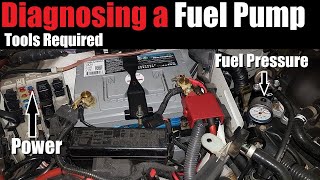
- P0087 - Fuel Rail/System Pressure - Too Low: This code is a direct indication that the Powertrain Control Module (PCM) has detected that the fuel pressure is below the required minimum. This is often caused by a weak fuel pump 🎬 Watch: How to diagnose a failing fuel pump or a clogged filter within the module.
- P0460, P0461, P0462, P0463: These codes relate to the fuel level sensor circuit. Since the sensor is part of the fuel pump module, these codes can appear if the sending unit has failed, even if the pump motor itself still works.
Known Issues, TSBs, and Recalls
For the 2014-2017 model years, there are no active safety recalls for the fuel pump assembly itself. However, it's worth noting that earlier models of the same generation (2011-2012 Quest) were recalled under NHTSA campaign 12V-076 for a software issue in the Fuel Pump Control Module (FPCM) that could cause stalling. While this recall does not apply to 2014-2017 vehicles, it shows a history of fuel-delivery-related issues within this Quest generation.
Buying a Used Fuel Pump: What to Check

A quality, low-mileage used OEM fuel pump assembly can be a reliable and cost-effective alternative to expensive new parts. Cheap aftermarket pumps have a reputation for premature failure, making a recycled OEM unit a smarter choice. Here’s what to inspect before buying:
- Verify the Part Number: Match the OEM part number from your original unit to the replacement. The most common part number is 17040-1JA3A. The numbers 17040-1JA0A, 17040-1JA1A, and 17040-1JA2A are earlier versions that have been superseded by 17040-1JA3A.
- Inspect the Electrical Connector: Check the electrical connector on top of the pump assembly for any signs of melting, charring, or corrosion. A damaged connector is a major red flag and indicates a potential electrical problem that may have caused the original pump to fail.
- Check the Plastic Housing: Inspect the white plastic housing of the module for any cracks or damage. A cracked housing can cause fuel pressure leaks inside the tank.
- Examine the Float Arm: Ensure the metal float arm and the attached float are intact and move freely. A bent or damaged arm will cause inaccurate fuel gauge readings.
- Consider Mileage: Choose a part from a vehicle with the lowest possible mileage. While fuel pumps can last over 100,000 miles, their lifespan can be shortened by factors like frequently running the tank low on fuel.
Cost Comparison
Replacing the fuel pump can be expensive, especially at a dealership. Here is a general cost breakdown, which can vary by location and supplier.
| Part Type | Estimated Cost |
|---|---|
| New OEM | $520 - $775 |
| New Aftermarket | $100 - $350 |
| Used OEM | $125 - $250 |
| Shop Labor | $200 - $300 |
Replacement Overview & Difficulty

Replacing the fuel pump on a 2014-2017 Nissan Quest is a moderately difficult job that a skilled DIY mechanic can perform. The biggest advantage is that the fuel tank does not need to be dropped.
- Difficulty: 3 out of 5
- Estimated Time: 1.5 - 2.5 hours
- Location: The pump is accessed through a panel under the second-row seats on the driver's side. This requires removing the seats and pulling back the carpet to get to the access plate.
Warning: Always work in a well-ventilated area and disconnect the battery before starting. Gasoline and its vapors are extremely flammable. Have a fire extinguisher rated for gasoline fires nearby.
Key Replacement Steps:
- Disconnect the negative battery terminal.
- Relieve the fuel system pressure. This can be done by pulling the fuel pump fuse and running the engine until it stalls.
- Remove the second-row seats to access the floor carpet.
- Pull back the carpet to expose the fuel pump access cover. Remove the cover.
- Thoroughly clean the area around the pump module to prevent dirt from falling into the tank.
- Disconnect the electrical connector and fuel lines.
- Use a fuel tank lock ring tool (or a brass punch and hammer, carefully) to turn the lock ring counter-clockwise and remove it.
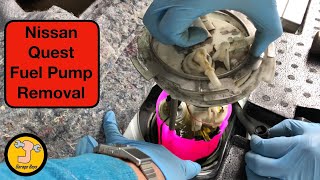
- Carefully lift the old fuel pump assembly out of the tank.
- Remove the old tank seal/gasket and clean the sealing surface.
- Install the new tank seal, then carefully lower the new pump assembly into the tank.
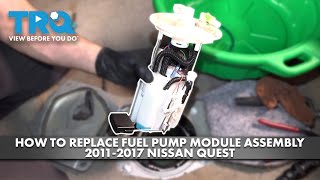
- Reinstall the lock ring, reconnect the lines and electrical connector, and reassemble the interior. 🎬 See this step-by-step fuel pump replacement walkthrough
Pro Tip: Always replace the fuel pump tank seal (Nissan part # 17342-1HJ0A) when installing a new or used pump. Reusing the old seal can lead to dangerous fuel leaks and evaporative emissions (EVAP) system codes.
Frequently Asked Questions (FAQ)
Can I replace just the pump motor instead of the whole assembly?
While it is sometimes possible to buy just the internal motor, it is not recommended. The assembly also contains the fuel pressure regulator, strainer, and fuel level sending unit, which can also fail. Replacing the entire module is more reliable and ensures all related components are new.
Is the fuel pump inside the gas tank on the Nissan Quest?
Yes, the fuel pump is an in-tank design. It is located inside the fuel tank and is accessed through a service port under the second-row seats, so you do not have to drop the entire fuel tank to replace it.
What causes a fuel pump to fail?
The most common causes of failure are age and mileage. However, consistently driving with a low fuel level can cause the pump to overheat, as the gasoline in the tank helps cool the motor. Fuel contamination with dirt, debris, or water can also clog the pump and cause it to burn out.
Do I need any special tools for the replacement?
The most important special tool is a fuel tank lock ring wrench. While some mechanics use a brass punch and hammer as a substitute, using the correct tool is safer and reduces the risk of damaging the plastic lock ring or the tank. You will also need basic hand tools, sockets, and trim removal tools to get the seats and carpet out.
Helpful Videos
Technical Specifications
OEM Part Numbers: 17040-1JA0A 17040-1JA1A 17040-1JA2A 17040-1JA3A
In-tank fuel pump module assembly. Includes pump, fuel level sending unit, float, and strainer.
We Have This Part in Stock


The information in this article is provided for general reference and educational purposes only. Vehicle specifications, procedures, and part compatibility can vary by production date, trim level, and region. Always consult your vehicle's factory service manual and verify part numbers before purchasing or performing repairs. Safety-critical components such as airbags, seat belts, and braking systems should be installed by a qualified professional.
- Nissan Quest:
- 🎬 Helpful Videos
- 🛍️ Shop This Part
- Symptoms of a Failing Fuel Pump
- Engine Stalling or Sputtering
- Difficulty Starting or No-Start
- Whining Noise From the Rear
- Loss of Power
- Associated OBD-II Trouble Codes
- Known Issues, TSBs, and Recalls
- Buying a Used Fuel Pump: What to Check
- Cost Comparison
- Replacement Overview & Difficulty
- Key Replacement Steps:
- Frequently Asked Questions (FAQ)
- 🎟️ Get 5% Off