

2015-2025 Ford Mustang 2.3L EcoBoost Fuel Pump Module: Stalling Issues, Recalls, and Diagnosis
This guide covers common failure symptoms, recalls, and what to check when buying a used fuel pump module for your 2015-2025 Mustang EcoBoost.
- This fuel pump module is ONLY for 2015-2025 Ford Mustangs with the 2.3L EcoBoost engine.
- A major recall (NHTSA 25V455) was issued for 2021-2022 Mustangs for fuel pump failure that can cause engine stalling.
- Common failure symptoms include engine hesitation, difficulty starting, and a whining noise from the fuel tank area.
- When buying used, verify the part number is FR3Z-9H307-A and inspect the electrical connector for any signs of heat or damage.
Symptoms of a Failing Fuel Pump Module
A failing in-tank fuel pump can cause a range of issues, from subtle performance problems to a no-start condition. Because the 2.3L EcoBoost engine also has a high-pressure fuel pump, symptoms can sometimes be confusing. However, a failing in-tank pump will starve the high-pressure pump, leading to distinct problems.
- Engine Hesitation or Sputtering: Especially under acceleration or load, the engine may hesitate, sputter, or feel like it's losing power. This happens because the failing pump can't supply the increased volume of fuel the engine demands.
- Difficulty Starting: The engine may take longer than usual to start. A weak pump struggles to build initial fuel pressure, resulting in extended cranking times. In some cases, the car might start and then immediately stall.
- Rough Idle: An inconsistent fuel supply from a weak pump can cause the engine to idle roughly or vibrate excessively.
- Whining Noise from the Fuel Tank: A common early sign of failure is a noticeable high-pitched whining or humming sound coming from the rear of the car, near the fuel tank area. This is the sound of the electric motor inside the pump straining to work.
- Sudden Loss of Power: The vehicle may suddenly lose power while driving, sometimes recovering just as quickly. In severe cases, the engine may shut off completely, which is a significant safety risk.
- Check Engine Light with Fuel Pressure Codes: A failing low-pressure pump can trigger diagnostic trouble codes (DTCs), most commonly P0087 (Fuel Rail/System Pressure - Too Low). This code indicates that the powertrain control module (PCM) has detected that fuel pressure has dropped below the minimum required level.
Known Issues, Recalls, and Technical Service Bulletins (TSBs)
While the S550 generation Mustang has been generally reliable, there are some specific fuel system issues to be aware of, including a major recent recall.
NHTSA Recall 25V455 (Ford Recall 25S75)
Important Recall Notice: In mid-2025, Ford issued a major recall (NHTSA ID: 25V455) affecting approximately 850,000 vehicles, including certain 2021-2022 Ford Mustangs. The recall addresses failures of the low-pressure fuel pump module, which can cause an engine stall while driving, increasing the risk of a crash. The cause is cited as potential internal contamination and friction within the pump. Owners of affected vehicles should contact a Ford dealer for the remedy, which is currently under development.
Early Model Fuel Pressure Sensor Recall (14S27)
A small number of very early 2015 Mustang EcoBoost models (built between September 25, 2014, and October 9, 2014) were recalled for an improperly installed fuel pressure sensor on the fuel supply line. This could cause a pressurized fuel leak, creating a fire risk. The remedy was to replace the fuel supply tube assembly. While this recall is old, it's worth verifying it was completed if you own an early-build 2015 model.
Related TSBs
While not a direct recall for the fuel pump module itself, TSB SSM 50089 was issued for some 2017-2021 Ford vehicles, including Mustangs with 2.3L engines. It addresses potential stalling, lack of power, and DTC P0087 after a repair was made that involved removing the high-pressure fuel pump. This highlights the interconnected nature of the high and low-pressure fuel systems.
Buying a Used 2015-2025 Mustang Fuel Pump Module: What to Look For
A used OEM fuel pump module can be a cost-effective and reliable alternative to expensive new parts, especially when compared to unproven aftermarket brands. Here’s what to inspect to ensure you get a quality part.
- Verify Compatibility: This is the most critical step. The fuel pump module for the 2.3L EcoBoost is NOT interchangeable with the one for the 5.0L V8 or 3.7L V6. Double-check the part number. The primary OEM part number is FR3Z-9H307-A. This part is described as being for the 2.3L engine and located on the driver's side (primary pump).
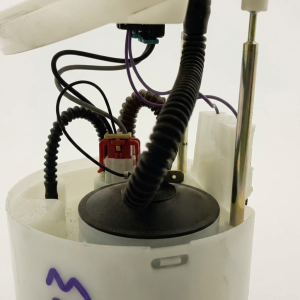
- Inspect the Electrical Connector: Check the pins on the main electrical connector. They should be straight, clean, and free of any corrosion or signs of overheating (discoloration, melted plastic). A damaged connector is a major red flag.
- Check the Fuel Line Ports: The plastic inlet and outlet ports should be intact, with no cracks or stress marks. Ensure the locking tabs for the fuel line connectors are present and not broken.
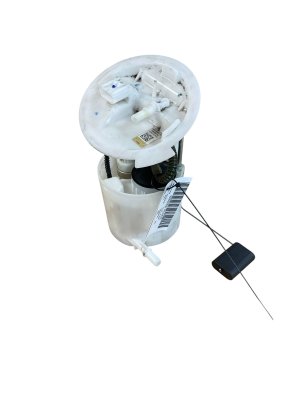
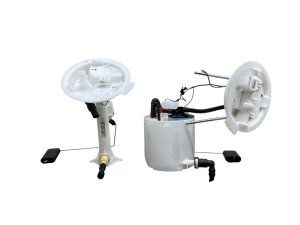
- Examine the Assembly for Physical Damage: Look for any cracks in the plastic housing or damage to the fuel level sender float and arm. The assembly can be damaged during removal from the donor vehicle if not handled carefully.
- Ask About the Donor Vehicle: If possible, get the mileage of the vehicle the part came from. A pump from a lower-mileage vehicle is always preferable. Also, ask if the vehicle was running before being dismantled.
Pro Tip: When replacing the fuel pump module, it is highly recommended to also replace the fuel tank gasket or lock ring seal to prevent fuel leaks and evaporative emissions issues. Some part descriptions note that the gasket is a related component that cannot be reused.
Cost of Replacement
The cost to replace a fuel pump module can vary significantly based on the part source and labor rates.
| Item | Estimated Cost |
|---|---|
| New OEM (Ford Dealer) | $310 - $510 |
| New Aftermarket | $150 - $300 |
| Used OEM | $75 - $150 |
| Shop Labor | $250 - $450 |
Replacement Overview
Replacing the in-tank fuel pump is a moderately difficult job that requires handling gasoline and accessing the top of the fuel tank.
- Difficulty: 3 out of 5
- Estimated Time: 2-3 hours
- DIY Feasible: Yes, for experienced DIYers comfortable with fuel systems.
The process generally involves:
- Depressurizing the fuel system and disconnecting the battery.
- Removing the rear seat bottom cushion to access the fuel pump cover plate.
- Disconnecting the electrical connector and fuel lines.
- Unscrewing the large plastic lock ring that holds the pump module in place. This often requires a special tool or careful use of a hammer and a brass punch.
- Carefully lifting the old module out of the tank, being mindful not to damage the fuel level float.
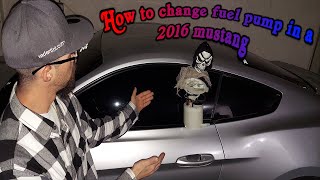
- Installation is the reverse of removal. 🎬 Watch this step-by-step fuel pump replacement walkthrough. After installation, you should cycle the key to the 'on' position (without starting the engine) several times to prime the system and check for leaks before starting the car.
Warning: Always work in a well-ventilated area, have a fire extinguisher rated for gasoline fires nearby, and avoid any sources of sparks or open flames. Gasoline vapors are highly flammable.
Frequently Asked Questions (FAQ)
Do I need to replace the high-pressure fuel pump (HPFP) at the same time?
Not necessarily. The in-tank low-pressure pump and the engine-mounted high-pressure pump are separate components that can fail independently. However, if the in-tank pump fails and sends debris through the fuel lines, it could potentially damage the HPFP. Diagnosis is key. If you only have symptoms of low-pressure failure (and your diagnostic codes confirm it), replacing just the in-tank module is usually sufficient.
What is the difference between the primary and secondary pump in a Mustang?
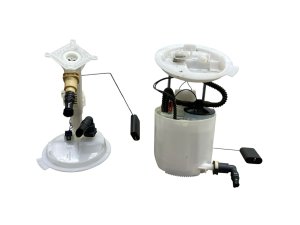
The S550 Mustang uses a saddle-style fuel tank that has a hump in the middle for the driveshaft. The primary fuel pump module (the part discussed in this article) is on the driver's side and contains the actual pump. The passenger side has a secondary sending unit that helps transfer fuel from that side of the tank to the pump side to prevent fuel starvation during cornering.
Can I drive my Mustang with a failing fuel pump?
It is not recommended. A failing fuel pump can cause the engine to stall unexpectedly at any time, including at high speeds or in traffic, which is extremely dangerous. If you experience symptoms of fuel pump failure, you should have the vehicle inspected and repaired as soon as possible.
Is any special programming required after replacing the fuel pump module?
No, the fuel pump module assembly itself does not typically require any special programming or calibration. It is a plug-and-play component. However, after the replacement, it's a good practice to clear any stored diagnostic trouble codes from the vehicle's computer.
Helpful Videos
Technical Specifications
OEM Part Numbers: FR3Z-9H307-A FR3C-9H307-AG
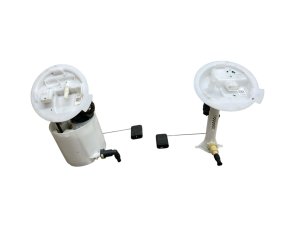
In-tank low-pressure fuel pump module assembly with integrated fuel level sender. Designed for the 2.3L EcoBoost direct injection fuel system. Located on the driver's side of the fuel tank.
We Have This Part in Stock


The information in this article is provided for general reference and educational purposes only. Vehicle specifications, procedures, and part compatibility can vary by production date, trim level, and region. Always consult your vehicle's factory service manual and verify part numbers before purchasing or performing repairs. Safety-critical components such as airbags, seat belts, and braking systems should be installed by a qualified professional.
- Ford Mustang:
- 🎬 Helpful Videos
- 🛍️ Shop This Part
- Symptoms of a Failing Fuel Pump Module
- Known Issues, Recalls, and Technical Service Bulletins (TSBs)
- NHTSA Recall 25V455 (Ford Recall 25S75)
- Early Model Fuel Pressure Sensor Recall (14S27)
- Related TSBs
- Buying a Used 2015-2025 Mustang Fuel Pump Module: What to Look For
- Cost of Replacement
- Replacement Overview
- Frequently Asked Questions (FAQ)
- 🎟️ Get 5% Off