

2020-2025 Mazda CX-30 Fuel Pump: Recall, Variants, and Replacement Guide
This guide covers the critical differences between CX-30 fuel pumps, symptoms of failure, and a major fuel pump recall affecting certain model years.
- A major safety recall exists for faulty fuel pumps on some 2020 models that can cause the engine to stall; check your VIN with Mazda or the NHTSA.
- All-Wheel Drive (AWD) and Front-Wheel Drive (FWD) models use completely different, non-interchangeable fuel pump assemblies.
- The most common failure symptoms are engine stalling, difficulty starting, and a whining noise from the fuel tank area.
- When buying a used replacement, you must match the OEM part number exactly to your vehicle's original pump.
Critical Compatibility Warnings: FWD vs. AWD

The most important factor when replacing a fuel pump in a 2020-2025 Mazda CX-30 is the vehicle's drivetrain. Front-Wheel Drive (FWD) and All-Wheel Drive (AWD) models use different fuel tank designs and, consequently, different fuel pump assemblies. These parts are not interchangeable.
- All-Wheel Drive (AWD) Models: AWD vehicles have a driveshaft running to the rear wheels, which requires a saddle-shaped fuel tank to provide clearance. This design uses a two-part fuel pump and sender system. The primary fuel pump assembly is on the left (driver's) side, and a secondary sending unit is on the right (passenger's) side.
- Front-Wheel Drive (FWD) Models: FWD vehicles use a more conventional, single-chamber fuel tank and a single, integrated fuel pump and sender assembly.
Warning: Installing a FWD fuel pump in an AWD vehicle, or vice-versa, will not work and may cause fuel gauge inaccuracies or prevent the vehicle from running. Always verify your vehicle's drivetrain and match the OEM part number exactly before purchasing a replacement.
Known Issues & Recalls

Major Fuel Pump Failure Recall (NHTSA Campaign 21V875)
Mazda issued a significant safety recall for a wide range of vehicles, including some 2020 CX-30 models, due to a faulty low-pressure fuel pump. The issue stems from a defective impeller inside the pump, manufactured by DENSO. This plastic impeller can crack, deform, and absorb too much fuel, causing it to interfere with the pump housing.
This can lead to a complete fuel pump failure, which may result in the engine stalling unexpectedly while driving, increasing the risk of a crash. Warning signs can include a check engine light or rough engine operation before failure. Mazda dealers will replace the affected fuel pumps with an improved part, free of charge.
Fuel Tank Evaporative Vent Hose Recall (NHTSA Campaign 20V347)
Certain 2020 Mazda CX-30 AWD models were recalled because an evaporative vent hose in the fuel tank could be disconnected. This could allow fuel to leak from the charcoal canister vent, posing a fire risk if an ignition source is present. It could also cause the engine to stall. Dealers will inspect and reconnect the hose if necessary, and replace related components free of charge.
Symptoms of a Failing Fuel Pump
Aside from a recall-related failure, a fuel pump can wear out over time. Here are the most common symptoms:
- Engine Stalling: The engine may stall unexpectedly, especially when it's hot or under load. This is the most serious symptom, as it can happen at any speed.
- Difficulty Starting: The engine may take longer than usual to start, or it may crank without starting at all. This happens when the pump can't build enough initial pressure.
- Engine Sputtering or Hesitation: The vehicle may sputter, hesitate, or jerk during acceleration because the failing pump can't supply the extra fuel the engine needs.
- Loss of Power: You may notice sluggish acceleration or a general lack of power, especially when going uphill or carrying heavy loads.
- Whining Noise from the Fuel Tank: A noticeable high-pitched whine or hum from the rear of the vehicle is a classic sign of a fuel pump motor working too hard and about to fail.
Buying a Used 2020-2025 CX-30 Fuel Pump

A used OEM fuel pump can be a reliable and cost-effective alternative to an expensive new part, especially if it's from a low-mileage vehicle. However, careful inspection and verification are key.
1. Verify the Part Number and Application
This is the most critical step. Before you buy, you must know if your CX-30 is FWD or AWD. Then, match the OEM part number from your original pump to the used part. The part number is typically stamped on the top of the plastic assembly.
- PA6A-13-35X: Fits 2020-2022 AWD models without the 2.5L turbo engine.
- PX4N-13-35X: Fits 2021-2025 AWD models, including those with the 2.5L turbo engine.
- DFR9-42-65X: This is the secondary fuel level sending unit for the right side of the tank on AWD models.
2. Physical Inspection
- Check the Plastic Housing: Inspect the entire assembly for any cracks, especially around the hose connections and the top mounting flange. A cracked housing can cause fuel leaks and is unsafe.
- Examine Electrical Connectors: The pins in the electrical connector should be clean, straight, and free of corrosion or any signs of overheating (discoloration, melted plastic).
- Inspect the Fuel Level Sender: Ensure the float arm moves freely and isn't bent or damaged. The float itself should be intact.
- Look at the Strainer: The fuel strainer (the 'sock' at the bottom) can tell a story. If it's extremely dark or full of debris, it might indicate a contaminated fuel tank in the donor vehicle. While you should always install a new strainer, a very dirty one is a red flag.
3. Why Choose Used OEM over New Aftermarket?
For a critical component like a fuel pump, a high-quality used OEM part from a reputable seller is often a better choice than a cheap, new aftermarket part. OEM pumps are built to Mazda's exact specifications for flow rate, pressure, and durability. Many low-cost aftermarket pumps have higher failure rates and may not perform as reliably, potentially leaving you stranded again.
Replacement Overview & Difficulty
Replacing the in-tank fuel pump is an intermediate-level job that requires handling gasoline and taking safety precautions.
- Difficulty Rating: 3 out of 5
- Estimated Time: 2-4 hours
- Location: The fuel pump is located inside the fuel tank and is accessed by removing the rear seat cushion and an access panel underneath.
Pro Tip: It's much safer and cleaner to perform this job when the fuel tank is less than half full. Always disconnect the negative battery terminal before starting.
Key Steps:
- Relieve Fuel Pressure: Remove the fuel pump fuse or relay and run the engine until it stalls.
- Access the Pump: Remove the rear seat bottom cushion and the metal service cover.
- Disconnect Lines: Disconnect the electrical connector and the fuel lines. Be prepared for some fuel spillage.
- Remove the Lock Ring: A special tool is recommended to unscrew the large plastic lock ring that holds the pump assembly in place. Using a hammer and screwdriver can damage the ring or the tank.
- Install the New Pump: Carefully lift the old assembly out. Install the new assembly with a new gasket/seal to prevent leaks and fuel odors.
| Part Type | Estimated Cost |
|---|---|
| New OEM | $330 - $485 |
| New Aftermarket | $150 - $300 |
| Used OEM | $75 - $150 |
| Shop Labor | $171 - $251 |
Frequently Asked Questions (FAQ)
How do I know if my CX-30 was affected by the fuel pump recall?
The safest way is to check your vehicle's 17-digit Vehicle Identification Number (VIN) on the NHTSA's official recall website (NHTSA.gov) or on Mazda's recall information site. You can also contact any Mazda dealership with your VIN.
Can I just replace the small pump motor instead of the whole assembly?
While it is sometimes possible to buy just the motor, it is not recommended. The assembly is designed as a balanced, integrated unit. Replacing only the motor can be difficult and may introduce new points of failure. A complete, known-good used OEM assembly is a more reliable repair.
Do I need to replace the fuel filter at the same time?
The primary fuel filter is the strainer or 'sock' attached to the bottom of the fuel pump assembly. It is highly recommended to replace this strainer whenever you replace the pump to ensure the new pump is protected from any contaminants in the tank.
What causes a fuel pump to fail?
Aside from manufacturing defects like the recall issue, the most common causes of failure are age and wear. Consistently running the fuel tank very low can also cause the pump to overheat, as it relies on being submerged in gasoline for cooling. Contaminated fuel can also clog and damage the pump over time.
Technical Specifications
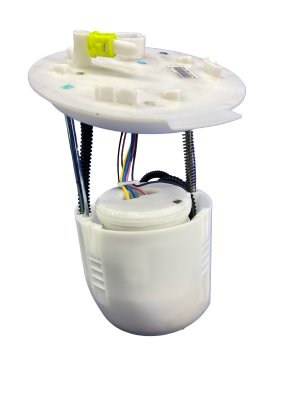
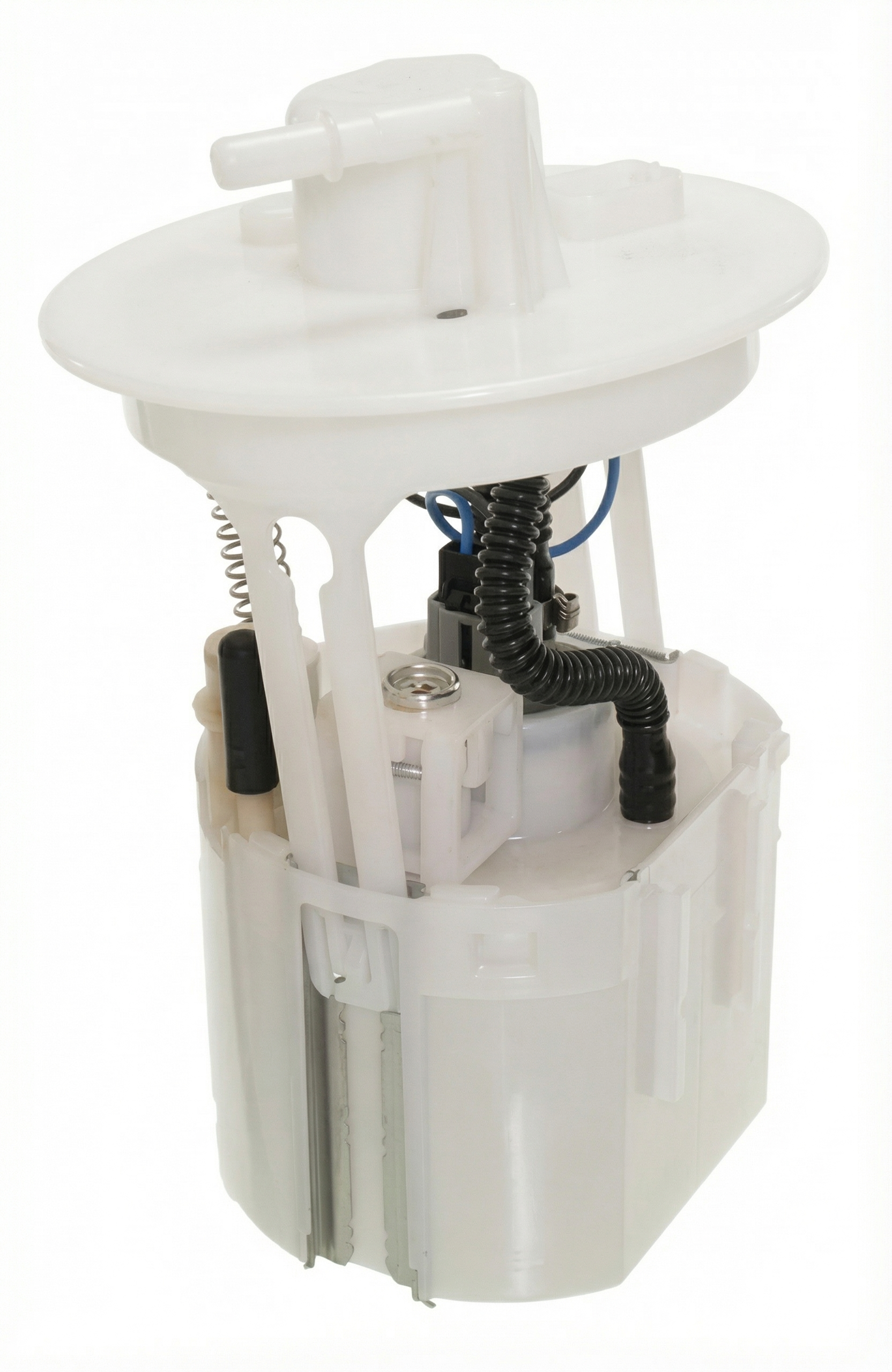
OEM Part Numbers: DFR9-42-65X PA6A-13-35X PA6A1335X PX4N-13-35X PX4N1335X
In-tank, electric fuel pump module assembly.
We Have This Part in Stock





The information in this article is provided for general reference and educational purposes only. Vehicle specifications, procedures, and part compatibility can vary by production date, trim level, and region. Always consult your vehicle's factory service manual and verify part numbers before purchasing or performing repairs. Safety-critical components such as airbags, seat belts, and braking systems should be installed by a qualified professional.
- Mazda CX-30:
- 🛍️ Shop This Part
- Critical Compatibility Warnings: FWD vs. AWD
- Known Issues & Recalls
- Major Fuel Pump Failure Recall (NHTSA Campaign 21V875)
- Fuel Tank Evaporative Vent Hose Recall (NHTSA Campaign 20V347)
- Symptoms of a Failing Fuel Pump
- Buying a Used 2020-2025 CX-30 Fuel Pump
- 1. Verify the Part Number and Application
- 2. Physical Inspection
- 3. Why Choose Used OEM over New Aftermarket?
- Replacement Overview & Difficulty
- Key Steps:
- Frequently Asked Questions (FAQ)
- 🎟️ Get 5% Off