

2019-2025 Mazda 3 Fuel Pump: The Stalling Recall, Symptoms, and Replacement
This guide covers the critical 2019 fuel pump recall that causes engine stalling, how to diagnose a failing pump, and how to choose the correct replacement for your FWD or AWD model.
- A major recall (NHTSA 21V-875) affects many 2019 Mazda 3s for a fuel pump that can cause dangerous engine stalling.
- Before buying, you MUST verify if your car is FWD or AWD and if it was built in Japan (VIN starts with 'J') or Mexico (VIN starts with '3') to get the correct part.
- When buying a used pump, avoid parts from 2019 models unless there is proof the recall was performed or it's from a late-production vehicle.
- Key symptoms of failure are engine stalling, hesitation under acceleration, a long crank time, and a whining noise from the fuel tank area.
Known Issues: The 2019 Fuel Pump Recall

The most significant issue affecting the 2019-2020 Mazda 3 is a widespread safety recall for the low-pressure fuel pump. This is the central point of failure for these models and the primary reason for replacement.
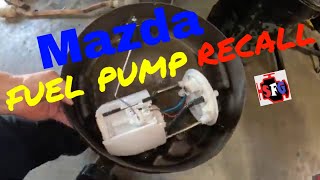
Safety Recall: NHTSA 21V-875 (Mazda Recall 5321K) 🎬 Watch: Overview of the Mazda fuel pump recall.
The original fuel pump, manufactured by Denso, contains a defective impeller. This plastic component can absorb fuel, swell, and deform over time. This deformation causes the impeller to interfere with the pump housing, leading to a complete fuel pump failure. The result is a sudden loss of fuel pressure, which can cause the engine to run rough, fail to start, or stall while driving. While stalling most often occurs at low speeds, it can happen at higher speeds, creating a significant crash risk.
- Affected Vehicles: The recall includes certain 2019 Mazda 3 vehicles, among many other Mazda models from 2018-2020.
- The Fix: Mazda dealers will replace the entire fuel pump assembly with an improved part free of charge. The new pumps use a higher-grade material for the impeller that does not have the same defect.
- How to Check: You can check if your specific vehicle is included in the recall by entering your Vehicle Identification Number (VIN) on the NHTSA website or Mazda's official recall information page.
Symptoms of a Failing Fuel Pump

A failing fuel pump will almost always give warning signs before it stops working completely. If your vehicle was not part of the recall or if you suspect the replacement pump is failing, watch for these symptoms.
- Engine Stalling: This is the most dangerous symptom. The engine may stall unexpectedly, often at lower speeds, but sometimes on the highway. This is the primary issue cited in the recall.
- Engine Sputtering or Hesitation: The car may jerk or sputter when accelerating as the weak pump struggles to supply enough fuel. This is often most noticeable when the engine is under load, like going uphill or accelerating hard.
- Difficulty Starting: The engine may crank for longer than usual before starting. A weak pump has trouble building the necessary initial pressure in the fuel lines. In the final stages of failure, this can become a no-start condition.
- Loss of Power: The vehicle may feel sluggish and unresponsive. The engine is being starved of fuel and cannot produce its normal power.
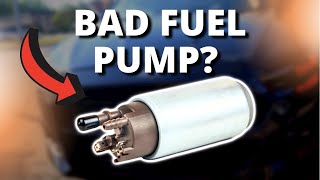
- Whining Noise from Fuel Tank: You may hear a loud, high-pitched whining or humming sound coming from the rear seat area, where the fuel tank is located. 🎬 Watch: Learn more about common bad fuel pump symptoms. This is the sound of the electric pump motor straining to work.
- Check Engine Light: A failing fuel pump can trigger a Check Engine Light. The most common trouble code is P0087 (Fuel Rail/System Pressure - Too Low). You may also see code P0192 (Fuel Rail Pressure Sensor Circuit Low Input).
Buying a Used Fuel Pump: A Buyer's Guide

While a used OEM part can be a great value, the recall makes buying a used fuel pump for a 2019 Mazda 3 very risky unless you are careful.
Warning: Do not purchase a used fuel pump from a 2019 Mazda 3 unless the seller can provide proof that it is the updated, post-recall part or that it came from a vehicle manufactured after the recall period (production after July 2019 is generally safer). An original pump from a recalled vehicle is defective and will eventually fail.
What to Check Before You Buy:
- Verify Compatibility: This is the most important step. You MUST know three things about your car: the build location, the drivetrain, and the engine size.
- Build Location: Check the first character of your VIN. A 'J' means it was built in Japan; a '3' means it was built in Mexico. The pumps are often different.
- Drivetrain: Is your car Front-Wheel Drive (FWD) or All-Wheel Drive (AWD)? The fuel tanks and pumps are not the same. This part is for FWD models only.
- Engine Size: While most US models use the 2.5L engine, some may have a 2.0L which can use a different part.
- Physical Inspection: Carefully examine the entire plastic assembly. Look for hairline cracks on the top housing, especially around the fuel line connections. Check the electrical connector pins for any signs of corrosion or burning. Ensure the fuel level sending unit float arm is present and moves freely.
- Why Used OEM is a Smart Choice (When Vetted): A verified, post-recall OEM fuel pump is built to Mazda's exact specifications for fit, electrical connections, and flow rate. It has been tested for your specific vehicle. Many cheap aftermarket pumps can cause incorrect fuel gauge readings, noisy operation, or premature failure, putting you right back where you started.
Cost Comparison
| Part Type | Estimated Cost |
|---|---|
| New OEM (Dealer) | $375 - $1,180 |
| New Aftermarket | $100 - $275 |
| Used OEM (Post-Recall) | $90 - $180 |
| Shop Labor | $175 - $350 |
Replacement Information

The fuel pump is located inside the fuel tank and is accessible from under the rear seat. This makes it a feasible DIY project for someone with intermediate mechanical skills, as it does not require dropping the fuel tank.
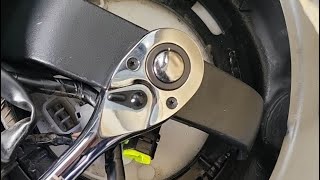
🎬 See this step-by-step fuel pump upgrade installation video.- Difficulty Rating: 3 out of 5
- Estimated Time: 1.5 - 2.5 hours
- Is DIY Feasible? Yes, for those comfortable working with fuel system components.
Pro Tip: Before starting the replacement, run the engine with the fuel pump relay removed to depressurize the fuel system. Also, it's best to perform this job when the fuel tank is less than a quarter full to minimize spills and fumes.
Frequently Asked Questions (FAQ)
Was my 2019 Mazda 3 part of the fuel pump recall?
Not all 2019 models were affected. The only way to know for sure is to enter your 17-digit VIN on Mazda's official recall website or the NHTSA's recall search page.
How can I tell if a used pump is the 'good' post-recall version?
Unfortunately, there are no definitive external markings. The best way is to source the part from a vehicle manufactured in late 2019 or newer, or if the seller can provide a service history showing the recall work was completed. Avoid any pump from a 2019 model if its history is unknown.
Can I just replace the motor instead of the whole assembly?
While it is sometimes possible to replace just the internal pump motor, it is not recommended. The assembly includes the fuel level sender, filters, and housing, which can also wear out or be damaged. A complete used OEM assembly is often more reliable and easier to install than rebuilding your old unit with an aftermarket motor.
Will this fuel pump fit an AWD Mazda 3?
No. The fuel pump assemblies for Front-Wheel Drive (FWD) and All-Wheel Drive (AWD) models are different due to variations in the fuel tank design. You must purchase the correct pump for your specific drivetrain.
Helpful Videos
Technical Specifications
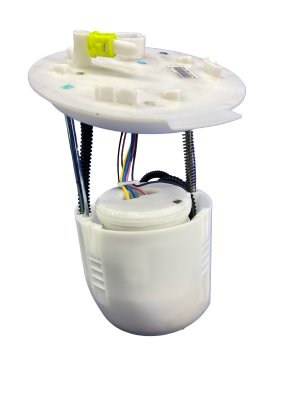
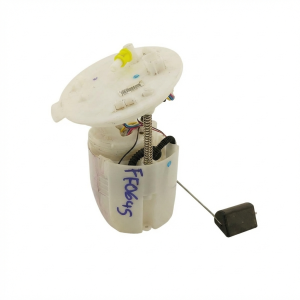
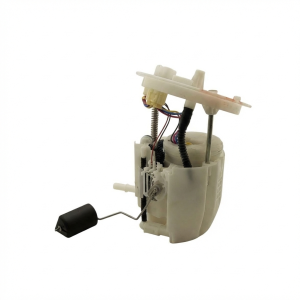
OEM Part Numbers: PAF11335X PAF11335XA PAF31335X PAF31335XA PX03-13-35X PX031335X PX4J-13-35X PX4J1335X PX9R-13-35X PX9R1335X
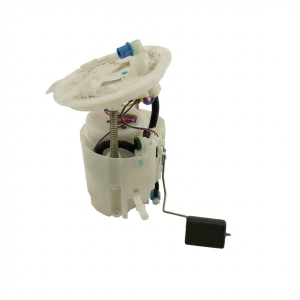
This is the in-tank low-pressure fuel pump assembly. It includes the pump motor, fuel level sending unit, and filter sock. It is designed for Front-Wheel Drive (FWD) models only.
We Have This Part in Stock



The information in this article is provided for general reference and educational purposes only. Vehicle specifications, procedures, and part compatibility can vary by production date, trim level, and region. Always consult your vehicle's factory service manual and verify part numbers before purchasing or performing repairs. Safety-critical components such as airbags, seat belts, and braking systems should be installed by a qualified professional.
- Mazda 3: