

2005-2018 Jeep Wrangler Fuel Pump: Stalling, No-Start, and the Hidden TIPM Problem
This guide covers common fuel pump failure symptoms, diagnosis, and a critical electrical issue that is often misdiagnosed as a bad fuel pump.
- Many fuel pump symptoms are actually caused by a failed fuel pump relay inside the TIPM (fuse box), a common issue on 2007-2018 Wranglers.
- Diagnose the TIPM before replacing the fuel pump to avoid unnecessary repairs.
- The 2018 model year had two different Wranglers (JK and JL) that use different parts; verify your model visually before buying.
- Replacing the fuel pump requires dropping the fuel tank, which is a difficult and potentially hazardous job for a DIY mechanic.
- The JK Wrangler does not have a fuel pressure test port (Schrader valve), requiring a special tool to diagnose fuel pressure.
Symptoms of a Failing Fuel Pump


When the fuel pump in a 2005-2018 Jeep Wrangler begins to fail, the signs can range from subtle to severe. Because the fuel filter is integrated into the fuel pump module, a clogged filter can produce the same symptoms as a dying pump.
- Engine Sputtering or Hesitation: You may notice the engine sputtering or losing power when you accelerate, especially under heavy load like climbing a hill. This happens because the weak pump can't supply the extra fuel the engine demands.
- Stalling: The engine may stall unexpectedly, either while idling at a stoplight or while driving. This indicates a severe interruption in fuel delivery.
- Crank, No Start: This is a classic symptom of a dead fuel pump. The engine will turn over (crank) but won't fire up because it's not receiving any fuel. You might also notice the vehicle takes multiple attempts to start before finally running.
- Whining Noise From Fuel Tank: A failing fuel pump motor will often make a loud, high-pitched whining or humming sound that is audible from the rear of the vehicle. A healthy pump makes a quiet hum for a few seconds when you first turn the key to the 'ON' position.
- Erratic Fuel Gauge: Since the fuel level sending unit is part of the pump assembly, you might see the fuel gauge needle jump around, drop to empty suddenly, or get stuck in one position.
Crucial Note: The TIPM Problem. Many of these symptoms, especially 'crank, no start' and intermittent stalling, are also classic signs of a failing fuel pump relay inside the Totally Integrated Power Module (TIPM). The TIPM is the main fuse and relay box in the engine bay. In the 2007-2018 JK Wrangler, the fuel pump relay is soldered to the TIPM's internal circuit board and is not a simple plug-in relay you can replace. When this relay fails, it cuts power to the fuel pump, perfectly mimicking a bad pump. Before replacing your fuel pump, it is critical to rule out a faulty TIPM.
Known Issues, Recalls, and Technical Service Bulletins (TSBs)

The TIPM Fuel Pump Relay (2007-2018 JK)
The most significant known issue for this generation is the failure-prone fuel pump relay within the TIPM. Over time, the internal contacts of the relay wear out, leading to intermittent or total loss of power to the fuel pump. Symptoms often appear when the vehicle is cold and get progressively worse. While Chrysler recalled some Grand Cherokees and Durangos for this issue, the Wrangler was not included in the major fuel pump relay recalls, meaning it's typically an out-of-pocket repair for Wrangler owners. Solutions range from installing an external relay bypass kit to replacing or repairing the entire TIPM unit.
Compatibility Warning: 2018 Wrangler JK vs. JL Models. The 2018 model year was a transition period. Jeep sold both the outgoing 'JK' body style and the all-new 'JL' body style. These two models use different fuel pumps. It is essential to verify which 2018 Wrangler you have before purchasing a part.
Here are easy ways to tell them apart:
- Headlights: JK headlights are completely separate from the grille slots. JL headlights cut into the outer grille slots.
- Fender Lights: JK models have turn signals under the headlights. JL models have them on the front of the fender flares.
- Door Handles: JK handles have a visible push-button. JL handles are a pull-out style.
Diagnosing a Bad Fuel Pump
Diagnosing a fuel pump on a JK Wrangler is more complex than on many other vehicles.
- Listen for the Pump: Turn the key to the 'ON' position without starting the engine. You should hear a faint 2-3 second hum from the fuel tank area. If you hear nothing, it could be the pump or the TIPM relay. If you hear a loud whine, the pump motor is likely failing.
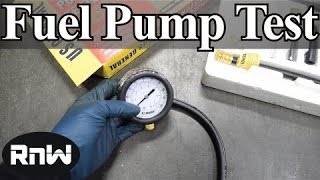
- Check Fuel Pressure: The 2007-2018 JK Wrangler does NOT have a Schrader valve on the fuel rail for easy pressure testing. To check pressure, you must use a special adapter to 'T' a fuel pressure gauge into the fuel line near the engine. 🎬 Watch this video to learn how to properly test fuel pressure. The fuel pressure for a 3.8L V6 (2007-2011) should be approximately 58 PSI, plus or minus 2 PSI.
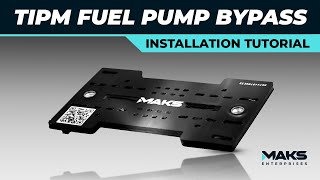
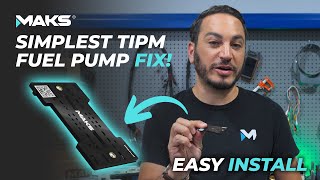
- Rule out the TIPM: If you have a 'crank, no start' condition, and you don't hear the pump prime, the TIPM relay is a likely culprit. Many owners opt to install a TIPM bypass cable as a diagnostic step. 🎬 See how to install a TIPM bypass to test your relay. If the bypass cable allows the vehicle to start, the TIPM relay is the problem, not the fuel pump itself.
Buying a Used Fuel Pump
A used OEM fuel pump can be a reliable and cost-effective alternative to expensive new parts, especially when compared to cheap aftermarket units. Here’s what to look for:
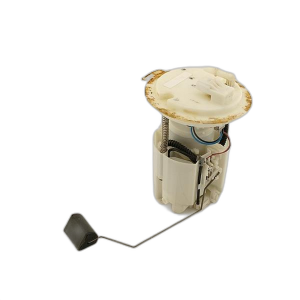
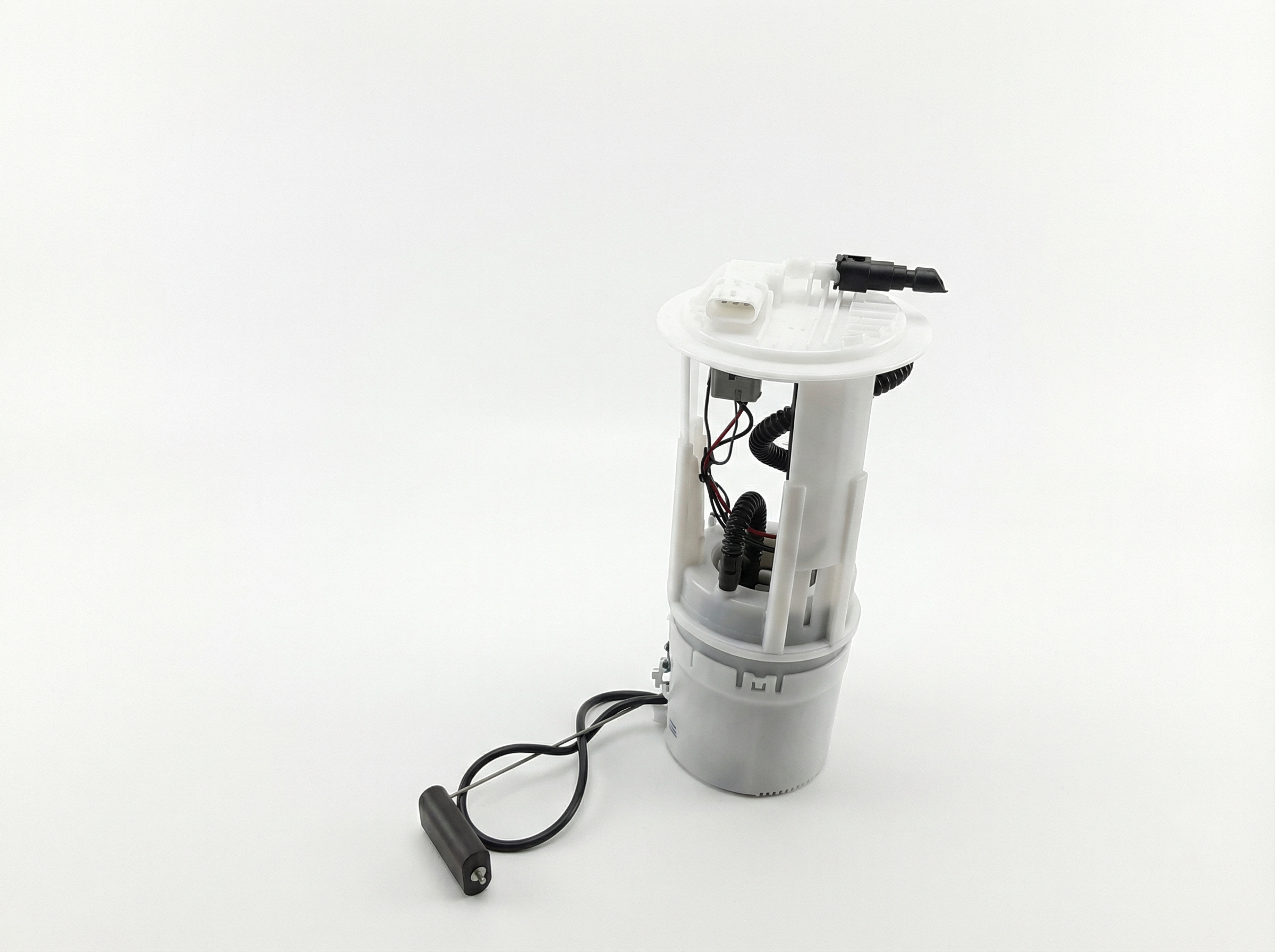
- Physical Inspection: Carefully inspect the entire plastic module housing for any cracks, especially around the fuel line ports and the top mounting flange. Check the electrical connector pins to ensure they are straight, clean, and free of corrosion.
- Verify Part Numbers: Match the part number on the used unit to your original pump or the list of verified OEM numbers. Mopar frequently updates part numbers; later numbers often supersede earlier ones (e.g., 68003339AG replaces 68003339AF and earlier versions).
- Source Vehicle Mileage: Ask for the mileage of the vehicle the pump came from. While modern fuel pumps are designed to last over 100,000 miles, a lower-mileage part is always a safer bet.
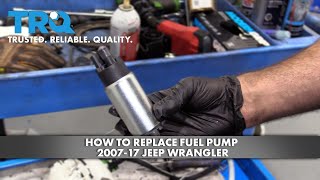
- Why Used OEM is Often Better: Original Mopar fuel pumps are built to strict factory standards for fitment, durability, and electrical draw. Many low-cost aftermarket pumps can fail prematurely, have incorrect fuel level sender readings, or draw too much power, potentially stressing the already-weak TIPM relay. A quality used OEM part is often more reliable than a new, unproven aftermarket brand. 🎬 Watch: Step-by-step guide to replacing your Jeep's fuel pump.
Cost Comparison
Prices can vary based on your location and the specific part number required for your vehicle.
| Part Type | Estimated Cost |
|---|---|
| New OEM (Mopar) | $375 - $425 |
| New Aftermarket | $75 - $330 |
| Used OEM | $75 - $150 |
| Remanufactured (Mopar) | Varies - Check with dealer |
| Shop Labor | $240 - $352 |
Frequently Asked Questions (FAQ)
Is the fuel filter part of the fuel pump on a Jeep Wrangler?
Yes, for the 2005-2018 Wrangler, the primary fuel filter (strainer) is part of the fuel pump module located inside the fuel tank. It is not considered a separate, routinely serviceable item.
Can I drive my Jeep with a failing fuel pump?
It is not recommended. A failing fuel pump can cause the vehicle to stall at any time, including at highway speeds or in an intersection, which is a major safety hazard. If you experience symptoms, you should have the vehicle diagnosed and repaired as soon as possible.
How do I know if it's the fuel pump or the TIPM?
The symptoms are nearly identical. The most common indicator of a TIPM relay failure is an intermittent 'crank, no start' condition that often gets worse over time. A definitive test is to use a TIPM bypass cable or test for power at the fuel pump connector when the key is turned on. If there is no power, the problem is likely upstream in the TIPM or wiring.
Why is my new fuel pump not working?
If you've installed a new fuel pump and the vehicle still won't start, the original problem was likely misdiagnosed. The most common reason is a faulty fuel pump relay in the TIPM, which was the true cause of the no-start condition all along. Re-check all electrical connections and confirm the TIPM is sending power to the pump.
Helpful Videos
Technical Specifications
OEM Part Numbers: 05161335AB 5161335AA 5161335AC 5161335AD 5161335AE 5161335AF 5161335AG 5161335AH 5161335AJ 68003339AA 68003339AB 68003339AC 68003339AD 68003339AE 68003339AF 68003339AG
Required Fuel Pressure (2007-2011 3.8L V6): 58 ± 2 PSI. Note: The fuel filter and fuel level sending unit are integrated into the fuel pump module assembly.
We Have This Part in Stock





The information in this article is provided for general reference and educational purposes only. Vehicle specifications, procedures, and part compatibility can vary by production date, trim level, and region. Always consult your vehicle's factory service manual and verify part numbers before purchasing or performing repairs. Safety-critical components such as airbags, seat belts, and braking systems should be installed by a qualified professional.
- Jeep Wrangler: